class struggles

Katuwana-Massacre

Batalanda Slaughter Chambers and the Mass Graves: The class roots of crimes against the poor and the working class of Sri Lanka

By Sanjaya Jayasekera

On March 12, Sri Lanka’s National People’s Power (NPP) government tabled the long-buried Batalanda Commission report in Parliament, fixing dates for a parliamentary debate. This sudden move—decades after the report was first compiled—has nothing to do with securing justice for the thousands of youth and workers who were abducted, tortured, and murdered during the late 1980s. Rather, it is a cynical maneuver by the Janatha Vimukthi Peramuna (JVP)-led administration, aimed at deflecting attention from the ongoing economic crisis and reinforcing the credibility of the Sri Lankan state, which bears direct responsibility for the atrocities.

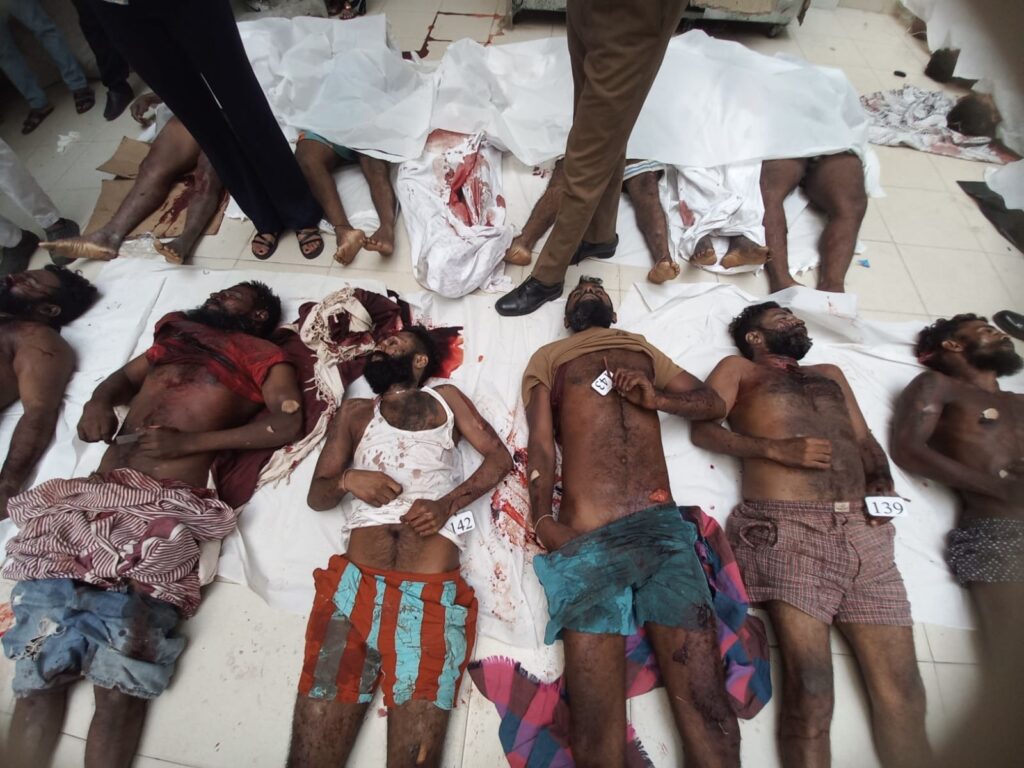
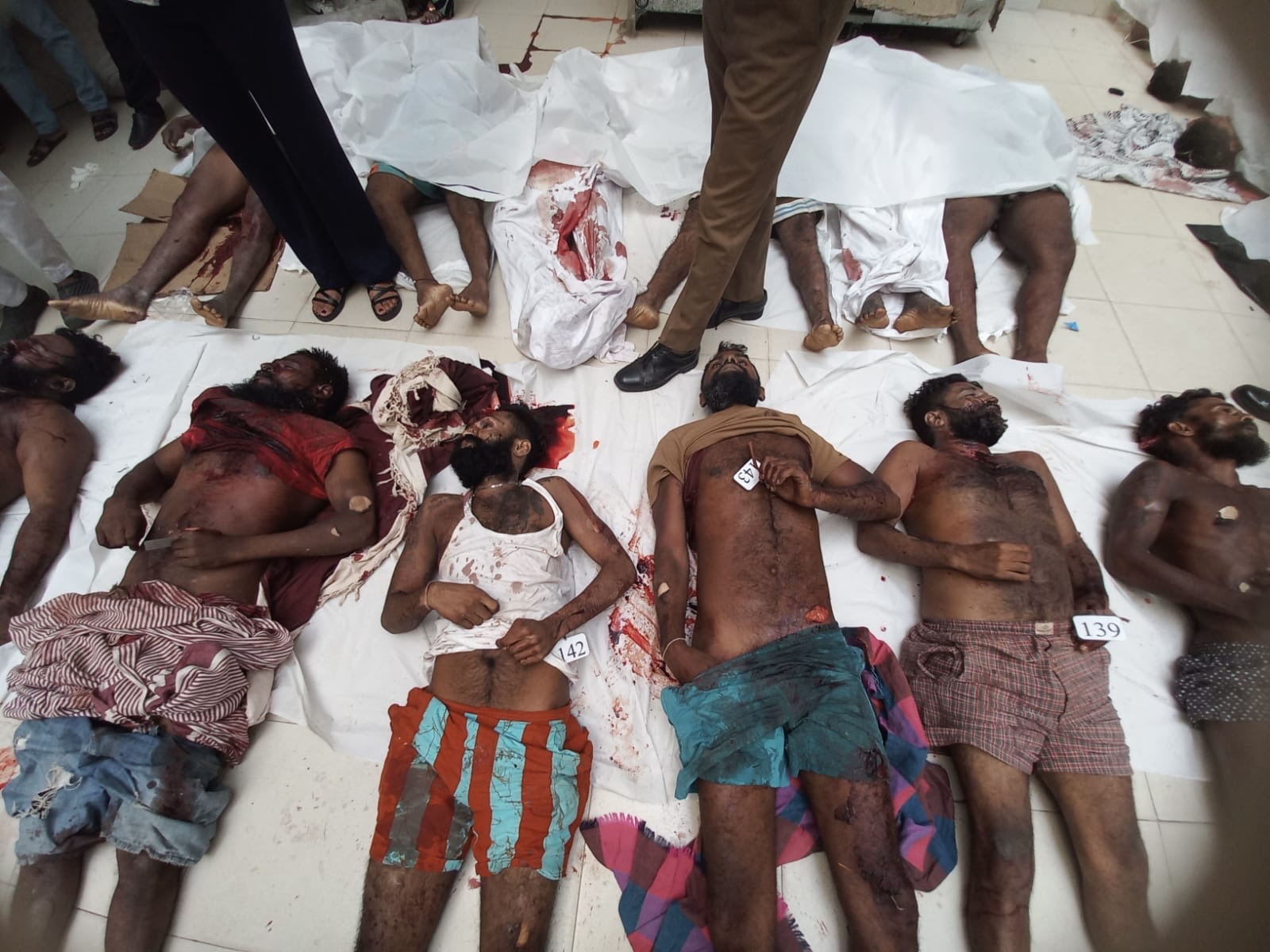
The Batalanda torture chambers and the mass graves scattered across Sri Lanka are grim symbols of the bloody terror unleashed by the ruling class in response to the social unrest caused by the economic collapse of the 1980s. Thousands of youth, primarily from impoverished rural backgrounds, were abducted by the police, the army and the death squads, held in state-run camps, tortured, raped, killed, burned alive on tyre-pyres, or their bodies were thrown to rivers or buried in unmarked graves. The military and police officers invaded the houses of the male victims, raped their wives, mothers and sisters. These were not just isolated crimes but a systematic class war waged against the poor by a ruling elite determined to defend the bourgeois state, capitalist economic reforms and power at any cost.

IMF Austerity and the Social Crisis of the 1980s

The second JVP insurrection (1987–89) did not emerge in a vacuum. The economic devastation of the 1980s, caused by the United National Party (UNP) government’s brutal implementation of IMF-dictated austerity – rural poverty, indebtedness, disease, malnutrition, land grabbing, unemployment, privatization, inflation – created conditions in which insurgent situation grew among the rural disillusioned youth. 

In 1977, the government of J.R. Jayawardene abandoned Sri Lanka’s limited welfare-state model and embraced open-market liberalization. The IMF and World Bank demanded “belt-tightening” measures: currency devaluation, drastic cuts to social spending, and the elimination of subsidies for essential goods. The consequences were catastrophic:

  • By 1988, the overall budget deficit had soared to 12% of GDP.
  • Foreign debt quadrupled, forcing the government into commercial borrowing.
  • Inflation reached 14% in 1988.
  • Official reserves collapsed, falling to six weeks at the end of 1988 and just three weeks of imports by mid-1989.
  • By 1987-88 unemployment reached 15.5%, I.e. 940,000 unemployed, and 75% of them were in the 15-29 age group, according to official surveys.
JRJ
J.R.Jayawardene and Ranil Wickremasinghe (r)

Significantly, military expenditure was also increased for the civil war against the Tamil population in the North and East, the total accumulated cost of which up to 1996 since 1983 was at least Rs. 1,135 billion at 1996 prices (168.5% of the 1996 GDP, equivalent to US$ 20.6 billion).

The young men and women who had been promised economic prosperity under Jayawardene’s “open economy” found themselves jobless and trapped in deepening poverty. With traditional avenues for dissent crushed—particularly after the crushing of the July 1980 general strike— JVP capitalized youth resentment for recruitment. 

JVP’s Treachery

Founded on a reactionary mixture of Maoism, Castroism and petty-bourgeois radicalism, sequel to the “great betrayal” of Lanka Sama Samaja Party (LSSP) in 1964, JVP channeled youth discontent over the social crisis, along the line of Sinhala chauvinism, nationalism and to tactics of fascism, in defence of the capitalist state. It exploited the Indo-Sri Lanka Accord of July 1987 between Jayawardena and Rajiv Gandhi to wage a chauvinist campaign to recruit cadres. 

JVP was never a Marxist party, and ruled out independent mobilization of the working class for the perspective of socialist internationalism against capitalist rule, counterposing the rural youth against the working class. Its hostility to the working class was manifested in its killings of workers, political opponents of the left and those who opposed it ideologically. 

This fascist conduct of the JVP marked a high point in the degeneration of the petty-bourgeois nationalist movements throughout the world under conditions of the global crisis of imperialism.

State Terror 

In response to the fascist attacks by JVP and its military wing, Patriotic People’s Movement (DJV), the UNP unleashed unspeakable brutality against rural and urban youth and the poor. Jayawardene and his successor, Ranasinghe Premadasa, oversaw a state-sponsored reign of terror against not only JVP cadres but also thousands of working-class youth who had no connection to the insurrection.

Premadasa
Ranasinghe Premadasa (Right) and his Son Sajith Premadasa, now the Leader of the Opposition, who boasts of his father’s “spine”
  • Torture Camps and Killings: Secret interrogation centers were established across the country, with Batalanda and Eliyakanda emerging as the most notorious. Unspeakable torture methods were employed – those who were abducted were hanged, beaten, barb wires were forced into their rectums,  and they were forced into barrels of chili-powder-mixed water, many never emerging alive. Youth were often subjected to rape, decapitation, nails hammered into their heads and into ears, eyes removed and burnt alive on tyre-pyres etc. 
  • Death Squads and Tyre-Pyres: The military, police, and paramilitary gangs abducted suspected “subversives,” who were then executed and burned in public. Sometimes, their families were forced to witness. Many innocent villagers were massacred, kids stabbed, and women raped,  just because someone of their family members was a suspected JVP cadre. 
  • Mass Graves: Thousands of bodies were dumped in shallow, unmarked graves, many of which remain undiscovered (Matale, Sooriyakanda, Wilpita are among the few such identified).

Witnesses and victims’ families have provided horrifying testimonies of the pogrom. Survivors recount hearing the screams of detainees through the night. Mothers were told their sons had “disappeared,” only for their burned bodies to be found days later by the roadside. 

theSocialist.LK talked to a bereaved woman in the Mulkirigala electorate, whose entire family was massacred by the army in late August 1989, because the army could not locate her only brother. Time has hardly permitted her recovery from the trauma. She told as follows: 

“My seven year old daughter (Niranjala), my three young sisters (Nilmini, Sujithaseeli, Mathangalatha), my cousin sister Chandraleka, my mother (Sisiliyana -53) and my father (Edwin-63), all were massacred by the Sinha regiment forces of Katuwana army camp, in that thick of the night. Those devils had bombed our house and, the following day, my husband witnessed the burning flesh under the rubble. We have been told that my sisters were carried away, raped for three days by the soldiers and killed. Beliatta police had later killed and burned my brother (Chulananda -21) too.”

Katuwana-Massacre
Victims of the Katuwana massacre: From top left – Mathangalatha, Nilmini, Sisiliyana, Edwin, Sujithaseeli. From bottom left – Niranjala, Chandralekha, Chulananda.

A survivor of government repression told our reporters as follows:

“I was then 16.  I was somehow able to secure my life. One night in mid 1989, Wanduramba Police in Galle abducted the boyfriend of my cousin, Udayakantha, a tuition teacher, said to be on the orders of Udugampola, who was referred to by the villagers as the “Butcher”. One day after, I saw his burning body on a tire by the roadside, among other bodies.”

Over 100,000 people, mostly youth, were massacred by the government during the period. Millions were rendered destitute. To this day, not a single high-ranking official or politician has been held accountable for any of these crimes. 

The JVP’s Complicity in Covering Up the Crimes

Despite having been the primary target and immediate cause of this repression, the JVP has no intention of persuing justice to the families of those murdered. It did nothing to expose these crimes when it previously aligned itself with bourgeois coalition governments, nor will it act now. Like its predecessors, past atrocities will only be capitalized by the government to suppress political opposition, whenever need arises. 

Since the 1990s, the JVP has transformed into a right-wing bourgeois party, repeatedly aligning itself with the same capitalist forces that once massacred its youth cadres.

  • In 2004, the JVP joined a coalition government with Chandrika Kumaratunga, providing political cover for the continuation of state violence, and suppression of the dark record of the ruling class.
  • It later supported Mahinda Rajapaksa’s regime, which carried out the genocidal slaughter of Tamil civilians during the final phase of the Sri Lankan government’s racist war against Tamils in 2009.
  • In 2010 and 2015 JVP stood on one platform with Ranil Wickremasinghe and general Sarath Fonseka to consolidate the hand of the oppressor – Wickremasinghe was a cabinet Minister in the Premadasa government, who has been implicated in the Batalanda Commission Report and believed to have overseen the torture, and the latter is the former army commander who supervised killings both in the South and North. 
AKD
Anura Kumara Dissanayake, then a Parliamentarian and now the President of Sri Lanka, being sworn in as Minister of Agriculture, Land and Irrigation by President Chandrika Bandaranaike Kumaratunga (r) at the Presidential House in Colombo in April 2004 [Photo Credit: M A Pishpa Kumara/EPA/Shutterstock]

Now, as the leading force in the NPP government, the JVP is once again engaged in a political charade. By revisiting Batalanda in Parliament, it seeks to posture as a defender of democracy while positioning to suppress working-class struggles against the IMF’s new round of austerity measures.

The Class Nature of the Crimes and the Path to Justice

The atrocities committed at Batalanda and across Sri Lanka were the calculated acts of a capitalist state defending itself against the threat of mass working-class resistance. Every ruling class party, from the UNP to the Sri Lanka Freedom Party (SLFP) to the JVP, has participated in suppressing the working class. In the 1971 youth uprising, SLFP-LSSP-CP (CP – Communist Party) coalition government killed about 20000 rural youth to defend the capitalist rule, followed by a series of subsidy cuts and austerity.

Real justice will not come from parliamentary debates, charades of commissions or through bourgeois “administration of justice”. Justice for the victims of state terror requires the fulfillment of all of the following demands:

  1. Disclose the names of all those who were abducted, forcibly disappeared and/or tortured and/or killed by the government security forces, the police and state sponsored paramilitary death squads,
  2. Disclose all the  police and military records in respect of the places where police stations, army camps and detention centers were located during the period,
  3. Disclose the names of the officers in charge of the police stations, and the names, ranks and regiments of the commanding officers who were in charge of the army camps, located islandwide during the insurgency.
  4. Locate every Mass Grave in all parts of the island, exhume the remains, conduct forensic analysis to identify the victims and disclose to their relatives,
  5. Disclose to the relatives of the victims what happened to their loved ones, and fully compensate them.
  6. Identify, prosecute and punish the perpetrators, including those who provided political cover.

The realization of these demands requires direct political power to the hands of the working class. The ruling class—regardless of which party holds office, including NPP—will never willingly prosecute its own agents. The fight for truth and justice must be connected to the broader struggle against capitalism and the hegemony of financial capital to overthrow capitalist State and dismantle its military-police apparatus.

The Socialist Perspective

The lessons of 1988-90 are clear: the imperialist system survives through the ruthless suppression of working-class struggles. The pogrom effected on the Sinhala youth of the South, the genocide of the Tamils in the North and the East, the ethnic-cleansing of the Palestinians, the loss of millions of lives to COVID-19 pandemic are seen by the ruling class as necessary costs.  

Sri Lanka once again faces economic collapse, and the IMF’s latest demands for austerity will provoke new social explosions. The NPP government, following its predecessors, will respond to mass opposition with state repression. The only way to prevent a repeat of past atrocities is for the working class to take independent political action, break away from all factions of the ruling class, and fight for socialist revolution, with the support of the international working class against the hegemony of the finance capital and their domestic lackeys. This needs revolutionary leadership – the second and the most important lesson.

The Socialist Lead of Sri Lanka and South Asia (SLLA), the Revolutionary Left Faction of the Socialist Equality Party (SEP) of Sri Lanka calls upon workers, rallying behind them the oppressed youth of the North and the South, to reject the false promises of the JVP-led NPP, and to organize independently in committees of industrial action in line with the international socialist program that will end the rule of the capitalist elite and establish a workers’ government of Sri Lanka and Eelam. They should not trust the pseudo-left and the trade unions, who pose as defenders of mass interests while setting political traps against them by proposing an alternative capitalist state. There is no such thing. Only through socialist revolution can the crimes of the past be truly redressed and a future free from oppression and exploitation be secured.

Reference:

  1. The US war and occupation of Iraq—the murder of a society, Bill Van Auken, 22 May 2007, <https://www.wsws.org/en/articles/2007/05/iraq-m22.html>
  2. Repression and the State in Sri Lanka, Political Committee of the Revolutionary Communist League, December 1990
  3. Sri Lankan Trotskyists Defend Rural Youth, Revolutionary Communist League (Sri Lanka), 23 November 1990.
  4. The Situation in Sri Lanka and the Political Tasks of the Revolutionary Communist League, Statement of the International Committee of the Fourth International, David North, Keerthi Balasuriya, 19 November 1987.

Batalanda Slaughter Chambers and the Mass Graves: The class roots of crimes against the poor and the working class of Sri Lanka Read More Âģ

Trotsky

The Fight for the Historical Continuity of Bolshevism: The ICFI as the Political Expression of Socialist Internationalism in the 21st Century

By the Political Committee of the Socialist Lead of Sri Lanka and South Asia (SLLA), the Revolutionary Left Faction (RLF) of the Socialist Equality Party (SEP) of Sri Lanka.

The Historical Crisis of Revolutionary Leadership

The opening decades of the 21st century is defined by the deepest crisis of world capitalism since the 1930s. The ruling class, facing economic stagnation, political instability, and mass discontent, is turning once again to militarism, state repression, and fascistic authoritarianism. The United States, leading the imperialist powers, has been escalating its proxy war against Russia in Ukraine, preparing for a catastrophic conflict with China, and backing Israel’s genocide in Gaza. The national bourgeoisies, including those in South Asia, have intensified their attacks on workers’ democratic rights and living conditions, deepening the crisis of global capitalism.

Trotsky
Leon Trotsky

But, what is missing? The objective conditions for world socialist revolution have matured. Mass movements have erupted—from the strikes by autoworkers in the US and Europe to the mass protests in Sri Lanka and the global opposition to Israeli war crimes. However, as Trotsky wrote in The Transitional Program (1938), “The world political situation as a whole is chiefly characterized by a historical crisis of the leadership of the proletariat.” The essential question is the construction of a revolutionary leadership that can guide the working class in its struggle against imperialism, national chauvinism, and capitalist dictatorship.

This leadership is embodied in the International Committee of the Fourth International (ICFI). Trotskyist socialist internationalism today has no meaning outside of the ICFI, the only movement that defends and develops the historical and theoretical continuity of revolutionary Marxism.

Marxism and Socialist Internationalism: A Question of Program

Socialist internationalism is not a utopian ideal but an objective necessity arising from the nature of capitalist production itself. Karl Marx and Friedrich Engels established this principle in The Communist Manifesto (1848): “The working men have no country.” The capitalist system, by developing a globalized economy, has created an international working class whose liberation can only be achieved through the overthrow of capitalism on a world scale.

This fundamental principle found its highest expression in the Bolshevik Revolution of October 1917. Lenin and Trotsky based their strategy on the understanding that socialism could not be built in one country. The founding of the Third International in 1919 was meant to provide the revolutionary proletariat with an organizational center to coordinate the world socialist revolution.

However, in a note of caution, in “The Draft Programme of the Communist International – A Criticism of Fundamentals”, Trotsky referred to his own explanation rejecting the idea that socialist revolution must begin simultaneously, as follows:

“Not a single country must ‘wait’ for the other countries in its struggle. It will be useful and necessary to repeat this elementary idea so that temporizing international inaction may not be substituted for parallel international action. Without waiting for the others, we must begin and continue the struggle on national grounds with the full conviction that our initiative will provide an impulse to the struggle in other countries” (Trotsky, ‘The Peace Programme’ Works, Vol. III, part 1, pp.89-90, Russian Ed.)

The degeneration of the Soviet Union under Stalin, and the adoption of the national-reformist reactionary theory of “socialism in one country,” led to the betrayal of revolutionary movements in Germany (1923), China (1927), Spain (1936-39), and elsewhere. Stalinist counter-revolution gave birth to the bureaucratic apparatuses of the Comintern, which systematically subordinated the working class to bourgeois national interests.

In response, Trotsky fought to preserve the banner of socialist internationalism. The Fourth International was founded in 1938 to carry forward the strategy of world socialist revolution. In The Death Agony of Capitalism and the Tasks of the Fourth International (1938), Trotsky wrote:

“Without a socialist revolution, in the next historical period at that, a catastrophe threatens the whole culture of mankind. The turn is now to the proletariat, i.e., chiefly to its revolutionary vanguard.”

The ICFI and the Defense of Socialist Internationalism

Following Trotsky’s assassination in 1940, the crisis of proletarian leadership deepened. Inside the Fourth International, Pabloite revisionists emerged in the early 1950s, arguing that the Stalinist and bourgeois nationalist movements could be pressured to play a revolutionary role. This liquidationist perspective was decisively opposed by the leaders of the Socialist Workers Party (SWP) in the US, including James P. Cannon, and the British Trotskyists led by Gerry Healy. The 1953 Open Letter by Cannon and the subsequent split with Pabloism led to the founding of the International Committee of the Fourth International (ICFI).

Cannon
James P. Cannon

The ICFI waged an unrelenting struggle against Stalinism, Pabloism, and all forms of opportunism1, in defense of Bolshevik heritage, to unite the working class internationally against the global offensive of imperialism. In The Heritage We Defend (1988), Davith North write as follows:

“[T]the struggle waged by the ICFI against Pabloite revisionism preserved the historical continuity of the Trotskyist movement in the United States.”

Consequent to this principled fight for defence of the international party of the proletariat, the Workers Revolutionary Party (WRP) in Britain, under Healy, became a major force in the Trotskyist movement. However, by the late 1970s and early 1980s, opportunist pressures led to the bureaucratic degeneration of the WRP, a process exposed by David North and the leadership of the Workers League (US). North’s critique of Healy’s organizational methods and political deviations was fundamental in the reassertion of Marxist principles within the ICFI.

Heritage
The Heritage We Defend, David North

The definitive break with opportunism came in 1985-86, when the ICFI expelled the WRP leadership. North wrote in The Political Origins and Consequences of the 1982–86 Split in the International Committee of the Fourth International, (03 August 2019, as follows:

“Having the advantage of being able to look back over a period of nearly 40 years, we can recognize that the conflict initiated by this critique [by the Workers League on the course pursued by the WRP], which culminated in the suspension of the WRP from the International Committee in December 1985, and the complete severing of relations in February 1986, was a critical event in the history of the world Marxist movement. The very survival of the Fourth International was at stake. Except for the International Committee, the movement founded by Leon Trotsky had been politically liquidated by the Pabloites. In all the countries where the Pabloites had been able to establish organizational control, they had destroyed the Trotskyist organizations by turning them into political appendages of the Stalinist, social democratic or bourgeois nationalist organizations. By 1985, the Workers Revolutionary Party, which had by that point capitulated to Pabloism, was close to completing the same wrecking operation.2”

Referring to the unrelenting fight waged by the ICFI for the continuity of the heritage of the Fourth International, North explains further as follows3:

“In all this work, the fundamental political principle that guided our efforts was that of Marxist internationalism. We insisted upon the primacy of world strategy over national tactics, and that the appropriate response to problems that arise within the national sphere could be derived only on the basis of an analysis of global processes. On this basis, the International Committee was able to develop a level of international collaboration that had not existed in the entire history of the Fourth International. Actually, the word “collaboration” does not adequately encompass the nature of the interaction between ICFI sections that developed in the aftermath of the split with the WRP nationalist renegades4.”

This definitively showed that international “collaboration” of the working class today has no meaning outside the programmatic and organizational relations between sections of the ICFI to mobilize them for the perspective of international socialism. 

The Form and Content of Socialist Internationalism Today

Socialist internationalism in the 21st century is defined by three interrelated processes:

  1. Imperialist War and Militarism: The US‘s war preparations against China and NATO’s war against Russia in Ukraine is part of a broader strategy for global hegemony by the financial oligarchy, stemming from an unprecedented historical crisis of the global imperialist system. The genocidal assault on Gaza is an integral part of imperialist war.
  2. The Crisis of Bourgeois Democracy: The rise of fascist movements globally, from Trumpism in the US to Hindutva in India, is part of the ruling class’s turn to authoritarianism to crush mass opposition. The so-called “democratic” regimes, including those in South Asia, are themselves dismantling democratic rights to impose austerity and military-police rule.
  3. The Globalization of Class Struggle: The working class is entering into struggle against capitalism. General strikes, mass protests, and workers’ uprisings in Sri Lanka, India, France, the US, and beyond signify the deepening radicalization of the international proletariat. However, without a revolutionary leadership, these movements can be suppressed,  co-opted and betrayed by pseudo-left forces.

In this context, the ICFI remains the only Marxist organization that fights for a revolutionary socialist program on a global scale. It is the only legitimate form that socialist internationalism must take today. Every attempt to substitute spontaneous movements, Stalinist parties, or nationalist formations for the Fourth International leads to political disaster.

Dialectics of Content and Form in Marxist Theory

The relationship between content and form is a key dialectical problem in Marxist philosophy, aesthetics, and political economy. Marxist dialectical method insists that content and form are interrelated and cannot be restricted to dichotomies and separated mechanically. This dialectic is crucial in understanding historical materialism, class struggle, and revolutionary strategy.

Content and Form in Historical Materialism

Marx and Engels developed their materialist conception of history (historical materialism) based on the dialectical relationship between content and form. Marx explained that the content of a given society is determined by its mode of production—the forces and relations of production—while the form is expressed through the superstructure (political, legal, and ideological institutions).

In the preface to A Contribution to the Critique of Political Economy (1859), Marx states:

“The totality of these relations of production constitutes the economic structure of society, the real foundation, on which arises a legal and political superstructure and to which correspond definite forms of social consciousness.”

Here, the content (economic base) determines the form (superstructure), but this relationship is dialectical—form can react upon content, reinforcing or modifying it over time.

Content and Form in Dialectical Materialism

Dialectics, as developed by Marx and Engels from Hegelian philosophy, sees content and form as a unity of opposites. Content refers to the inner essence or substance of a phenomenon, while form is its external expression. However, this is not a static relationship—content and form interact dynamically, sometimes in contradiction.

Engels, in Dialectics of Nature, and in Anti-DÃŧhring, discusses how scientific and social phenomena undergo quantitative to qualitative transformations when content outgrows its old form, leading to revolutionary changes.

Lenin, in Philosophical Notebooks, applies this dialectic to revolutionary situations, showing how, when the content (working-class radicalization) reaches a breaking point, old forms (bourgeois democracy or reformist organizations) become obsolete and must be replaced.

The Role of Content and Form in Revolutionary Politics

Trotsky, in The History of the Russian Revolution (1930), applies the dialectic of content and form to revolutionary movements in explaining the dialectics of social revolution. He explains that in revolutionary epohs, the old political forms (parliamentary democracy, trade unions, reformist parties) become barriers to the new content (working-class revolutionary consciousness).

Trotsky explained that the fundamental law of revolution is the substitution of one class’s domination over another, and that means the creation of new forms of state power to express this changed content. This means that socialist revolutions require a new political form, i.e., the soviets (workers’ councils), to replace bourgeois parliamentary structures.

Content and Form as a Guide to Revolutionary Action

The dialectic of content and form is not just a theoretical issue—it is a guide to revolutionary action. In every social and political struggle, the key task is to develop new forms that correspond to the evolving content of class relations. Today, the old forms of bourgeois democracy and trade unions are incapable of addressing the global crisis of capitalism. Only through the building of new revolutionary forms—the International Committee of the Fourth International (ICFI), the successor and defender of historical continuity and heritage of Bolshevism, as the conscious leadership of the working class—can the content of world socialist revolution be realized.

This dialectical understanding, rooted in Marxist theory, remains the foundation of socialist strategy today.

Fight against National Opportunism within SEP-Left

The SLLA was formed after a principled fight against a petty bourgeois nationalist opportunist tendency in the SEP-Left, which included comrades who were arbitrarily expelled from the SEP Sri Lanka between late 2022 to early 2023. Shortly after its formation, rifts emerged within the group between a nationalist tendency and those who represented genuine internationalism and fought for the necessity of rejoining the cadre of ICFI by winning the membership of the SEP5.

Our struggle against this petty-bourgeois nationalist opportunist tendency within SEP-Left was fundamentally a battle for genuine socialist internationalism against a clique that sought to redefine internationalism outside the cadre of the ICFI. This opportunist clique rejected the factional struggle6 founded upon defined political grounds, and the necessity for members of the SEP-Left to appeal for and fight for the membership of the SEP Sri Lanka. They rejected a principled factional fight to build the necessary revolutionary leadership within the Sri Lankan section of the ICFI, to lead the working class of Sri Lanka and the region in the next decisive mass struggles. Instead, they proposed a centrist policy of acting as a “pressure group”7 to prevent the SEP leadership from shifting to the right, hoping to place it on the “right track” without engaging in the struggle to resolve the crisis of revolutionary leadership.

At the heart of this factional struggle was the dialectical relationship between content and form. The opportunists disregarded the fundamental truth that socialist internationalism is inseparable from its organizational form—the ICFI and its national sections8. They advanced a revisionist formula, arguing that internationalism does not necessarily require membership in the SEP or a fight within its ranks to develop it as the revolutionary party – a rejection of the dialectical unity between class, party and leadership. Instead, they sought to function as an external watchdog, intervening in an attempt to influence the party leadership while evading the historical responsibility of building the SEP as the revolutionary vanguard of the working class.

This orientation amounted to a rejection of Trotskyism in favor of a centrist adaptation to petty-bourgeois layers who were unwilling to undertake the disciplined struggle under the banner of the party to resolve the crisis of revolutionary leadership. Lacking a principled basis for factional struggle, this grouping proposed an opportunist formula—attempting to “correct” the SEP while positioning itself to replace it in the future should the party fail to lead the working class in the socialist revolution9. This amounted to a fatal deviation from the necessary political struggle within the party, and this tendency has now relegated into precisely what it wished to be — acting as a “web-group” “promoting the revival of socialist culture”10 outside the revolutionary movement, the ICFI, while posturing as defenders of “internationalism” and the perspectives of the ICFI.

In opposition to this nationalist-opportunist deviation, our struggle was grounded in the fundamental Marxist principle that socialist internationalism has no meaning outside its historical form — the ICFI and its national sections. Only through the conscious struggle to build the SEP as the Sri Lankan section of the ICFI, fighting as a political faction of the SEP against its opportunist leadership, can the working class resolve the crisis of leadership and carry forward the fight for world socialist revolution.

The Tasks of the SLLA: Building the SEP as the Revolutionary Leadership

Our fight for socialist internationalism is the fight to build the International Committee of the Fourth International as the world party of socialist revolution, and the necessary revolutionary leadership in the SEP Sri Lanka, being a part of it, to lead the working class of the region in the next decisive mass struggles. This requires:

  • Analyzing the dialectics of the historical failures of the nationalist opportunist and sectarian leadership of the SEP Sri Lanka to lead the working class in decisive struggles and resolve the crisis of revolutionary leadership in Sri Lanka and South Asia. 
  • Educating the advanced workers and youth in the history of Trotskyism and the betrayals of Stalinism and Pabloism.
  • Intervening in the struggles of the working class with the revolutionary program of the ICFI to transform spontaneous economic and political struggles into a conscious fight for socialism.
  • Opposing all forms of nationalism and identity politics, which divide the working class and subordinate it to bourgeois politics.
  • Exposing the trade unions and pseudo-left parties, which serve as instruments of capitalist rule.

The continuity of revolutionary Marxism depends on the defense of historical truth. Without this, there can be no revolutionary movement, no revolutionary leadership, and no socialist future.

In the preface to his book Leon Trotsky and the Struggle for Socialism in the Twenty-First Century, (2023), North reminds us as follows:

“The historical experiences of the past century thoroughly tested all political movements, parties, and tendencies that claimed to be leading the struggle against capitalism. But the upheavals of the twentieth century have exposed the counterrevolutionary role of the Stalinists, Social Democrats, Maoists, bourgeois nationalists, anarchists, and Pabloites. Only the Fourth International, led by the International Committee, has met the test of history11.”

The building of the ICFI is the decisive task facing the working class today. It is not a question of choice but of survival. The alternative is world war, fascism, and barbarism. The only way forward is through socialist internationalism, embodied in the International Committee of the Fourth International. We are an essential part of that fight. Join SLLA today! Build SEP!

  1. “Revolutionary internationalism is the political antipode of opportunism. In one form or another, opportunism expresses a definite adaptation to the so-called realities of political life within a given national environment. Opportunism, forever in search of shortcuts, elevates one or another national tactic above the fundamental program of the world socialist revolution” The World Capitalist Crisis and the Tasks of the Fourth International: Perspectives Resolution of the IC ICFI (Aigust 1988). <https://www.wsws.org/en/special/library/world-capitalist-crisis-tasks-fourth-international-1988/18.html> 
    â†Šī¸Ž
  2. The Political Origins and Consequences of the 1982–86 Split in the International Committee of the Fourth International, David North, 03 August 2019, <https://www.wsws.org/en/articles/2019/08/03/icfi-a03.html>
    â†Šī¸Ž
  3. Ibid.
    â†Šī¸Ž
  4. North concludes the paragraph referring to his report to the Detroit membership of the Workers League on June 25, 1989, where he has said,
    ”The scope of this international collaboration, its direct impact on virtually every aspect of the practical work of each section, has profoundly and positively altered the character of the ICFI and its sections. The latter are ceasing to exist in any politically and practically meaningful way as independent entities. Upon the foundation of a common political program, a complex network of relationships has emerged within the ICFI which binds together every section. That is, the sections of the ICFI comprise interconnected and interdependent components of a single political organism. Any breaking of that relationship would have devastating effects within the section involved. Every section has now become dependent for its very existence upon this international cooperation and collaboration, both ideological and practical.” Workers League Internal Bulletin, Volume 3, Number 4, June 1989, p. 5.
    â†Šī¸Ž
  5.  “The main purpose of this document is to bring home to the membership the importance of being the official section of the Fourth International in view of the vital necessity to strengthen the traditional organization of Trotskyism in the great struggle already begun. If we accept the history of “international Trotskyism since 1933 (which is a history of Bolshevik regroupment in the Fourth International), then we must place the question of the International as the most important question before the group. All other questions of group development, such as the press, industrial work or organizational activity are bound up with whatever stand we take on the International. If we accept the political principles of Bolshevism then we must accept the organizational method. It is not sufficient to say that we accept the program of the Fourth International and that we expound it better than the RSL if we do not also accept its organizational method, which means that we must be affiliated to the International, accepting its democratic centralist basis; just the same as it is not sufficient to claim to be a Trotskyist and to be more conversant with the policy of Trotskyism than the organized Trotskyists, unless one joins a Trotskyist party accepting its democratic centralist discipline. That is what is meant by Bolshevik organizational methods.” Our Most Important Task, Gerry Healey, August 10, 1943. 
    â†Šī¸Ž
  6.  “The present doctrine that Bolshevism does not tolerate factions is a myth of epoch decline. In reality the history of Bolshevism is a history of the struggle of factions. And, indeed, how could a genuinely revolutionary organization, setting itself the task of overthrowing the world and uniting under its banner the most audacious iconoclasts, fighters and insurgents, live and develop without intellectual conflicts, without groupings and temporary factional formations?” Revolution Betrayed, Trotsky (1936).
    â†Šī¸Ž
  7. â€œāˇƒāˇƒāļ´ āļĸāˇāļ­āˇŠâ€āļēāļąāˇŠāļ­āļģ āļšāļ¸āˇ’āļ§āˇ”āˇ€āˇš āļ‰āļ¯āˇ’āļģ⎒ āļ¯āļģ⎊⎁āļąāļē⎊⎃⎊ ⎃āļ¯āˇ„āˇ āļ…āļģāļœāļŊāļē āļąāļ­āļģ āļšāļģ āļ‡āļ­ āļšāˇ’āļēāˇ āļšāˇ’āļēāļąāˇ” āļąāˇœ ⎄⎐āļšāˇ’ āļē. āļ‘āļē āļ¯āˇāļąāļ§ āļ´āˇ™āļąāˇŠāļąāˇ”āļ¸āˇŠāļšāļģ āļ‡āļ­āˇ’ āļ´āļģ⎃⎊āļ´āļģāļēāļąāˇŠ āļĸāļē āļąāˇœāļœāļ­āˇ„āˇœāļ­āˇŠ āļ‘āļ¸ āļ‰āļ¯āˇ’āļģ⎒ āļ¯āļģ⎊⎁āļąāļē ⎃āļ¯āˇ„āˇ āļ…āļģāļœāļŊāļē āļ…āļ­āˇŠ ⎄āļģ⎒āļąāˇ” āļ‡āļ­. āļ…āļ´ āļ´āļšāˇŠāˇ‚āļē āļ­āˇ”āļŊ āļ¯āˇ“ āļ¸āˇ™āļąāˇŠ āļ¸ āļ¯āˇāļąāˇŠ āļ¯ āˇƒāļ§āļąāˇŠ āļšāļģāļąāˇŠāļąāˇš āļ‘āļē ⎀⎐āļŊ⎐āļšāˇŠāˇ€āˇ“āļ¸āļ§ āļē. āļ’ āˇƒāļ¯āˇ„āˇ āļĸāˇāļ­āˇŠâ€āļēāļąāˇŠāļ­āļģ āļšāļ¸āˇ’āļ§āˇ”⎀ āļ¯ āˇ€āˇāļŠ āļšāļģāļē⎒. āļ¯āˇ™āļ´āˇāļ­āˇŠāļ­āˇšāļ¸ āļ´āˇ“āļŠāļąāļēāļ§ āļ´āļšāˇŠāˇ‚āļē āļ¸āˇ”⎄⎔āļą āļ¯āˇ™āļą āļąāˇ’āˇƒāˇ āļ‘⎄⎒ āļ…āˇ€āˇƒāˇŠāļ­āˇāˇ€āˇāļ¯āˇ“ āļąāˇāļšāˇ”āļģ⎔⎀ ⎁āļšāˇŠāļ­āˇ’āļ¸āļ­āˇŠāˇ€ āļ´āˇ™āļģāļ§ āļœāˇāļąāˇ“āļ¸ āļ…āļ´āˇ„āˇƒāˇ” ⎀⎓ āļ‡āļ­. āļ”āļļ āļ´āˇ€āˇƒāˇ āļ‡āļ­āˇ’ āļ´āļģ⎒āļ¯āˇ’āļ¸ āļ…āļ´āļœāˇš ⎀⎐āļŠ āļšāļ§āļē⎔āļ­āˇ” āļ´āļšāˇŠāˇ‚āļēāļ§ āļļāļŊ āļ´āˇāļē⎓. āļ…āˇ€āˇāˇŠâ€āļē ⎀āļąāˇŠāļąāˇš āļ‘āļ¸ āļ…āļģāļœāļŊāļē āļ¸āˇ–āļŊ āļ°āļģ⎊āļ¸āˇāļąāˇ”āļšāˇ–āļŊ⎀ ⎁āļšāˇŠāļ­āˇ’āļ¸āļ­āˇŠ ⎀ āļ‰āļ¯āˇ’āļģ⎒āļēāļ§ āļœāˇāļąāˇ“āļ¸ āļē⎒. āļšāˇŠâ€āļģ⎒āļēāˇāļšāˇāļģ⎒ āļšāļ¸āˇ’āļ§āˇ”⎀ ⎄⎙āļŊāˇ āļ¯āˇāļšāˇ“āļ¸āļ§ āļ…āļ´ āļŊ⎒āļē⎖ āļŊ⎒āļ´āˇ’āļē āļ‘⎄⎒ āļ´āˇ’āļē⎀āļģāļšāˇŠ āļ´āˇŠâ€āļģāļ­āˇ’āļ´āļŊāļ¯āˇāļēāļš āļļ⎀ āļšāˇ’⎀ āļē⎔āļ­āˇ” āļē. āļ‘āļē āļ…āļ´ āˇƒāļ§āļąāˇŠ āļšāļģāļą āˇ€āˇ’āļ¯āˇ’āļē āļœāˇāļą āļ‹āļ¯āˇāˇ„āļģāļąāļēāļšāˇ’.”  Nandana Nannetti, 15 March 2025, SEP-Left WhatsApp Chat Discussion. 
    â†Šī¸Ž
  8. The following quote from an article published by this group as part of a series of hysterical  diatribes against us, conveniently reduces socialist internationalism to the content of it – that is to the principle of rejection of socialism in one country – disregarding its historical form:

    “āļ´āļŊāļ¸āˇ”āļšāˇœāļ§ āļ¸ āļĸāˇāļ­āˇŠâ€āļēāļąāˇŠāļ­āļģāˇ€āˇāļ¯āļē āļēāļąāˇ”⎀⎙āļąāˇŠ āļ…āļ¯āˇ„āˇƒāˇŠ āļšāļģāļąāˇŠāļąāˇš āļšāˇ”āļ¸āļšāˇŠ āļ¯ āļēāļą āļļāˇœāˇ„āˇ āļ¯āˇ™āļąāˇ āļ¯āļąāˇŠāļąāˇ āļ¯āˇ™āļē āļēāļŊ⎒ āļ¸āļ­āļšāˇŠ āļšāļģ āļœāˇāļąāˇ“āļ¸ āļ‹āļ āˇ’āļ­ āļē. āļ¸āˇāļšāˇŠāˇƒāˇŠāˇ€āˇāļ¯āˇ“āļąāˇŠ āļĸāˇāļ­āˇŠâ€āļēāļąāˇŠāļ­āļģāˇ€āˇāļ¯āļē āļēāļąāˇŠāļąāˇ™āļąāˇŠ āļ…āļ¯āˇ„āˇƒāˇŠ āļšāļģāļąāˇŠāļąāˇš, ⎃āļ¸āˇāļĸāˇ€āˇāļ¯āļē ⎃āļŗāˇ„āˇ āļ…āļģāļœāļŊāļē āˇƒāˇ„ āļ°āļąāˇ€āˇāļ¯āļē āļ´āˇ™āļģāļŊāˇ āļ¯āˇāļ¸āˇ“āļ¸, āļĸāˇāļ­āˇ’āļš āˇƒāˇ“āļ¸āˇāˇ€āļąāˇŠ āļ‰āļšāˇŠāļ¸āˇ€āˇ āļēāˇ āļē⎔āļ­āˇ”āļē āļēāļą āļ¸āˇ–āļŊ āļ°āļģ⎊āļ¸āļēāļē⎒. āļ°āļąāˇ€āˇāļ¯āļē⎚ āļ…āļģ⎊āļļ⎔āļ¯āļē ⎀āļąāˇāˇ„⎓, āļąāˇ’āˇ‚āˇŠāļ´āˇāļ¯āļą āļļāļŊāˇ€āˇšāļœāˇ€āļŊ ⎀āļģ⎊āļ°āļąāļē āˇ„āˇšāļ­āˇ”⎀⎙āļąāˇŠ āļĸāˇāļ­āˇ’āļšāˇ€āˇāļ¯āļē āˇ„āˇ āļ´āˇ”āļ¯āˇŠāļœāļŊ⎒āļš āļ¯āˇšāļ´āļŊ āļšāˇŠâ€āļģāļ¸āļē, āļŊāˇāļš āļ†āļģ⎊āļŽāˇ’āļšāļē āˇ„āˇ ⎃āļ¸āˇāļĸ āļąāˇ’āˇ‚āˇŠāļ´āˇāļ¯āļąāļē ⎃āļ¸āļœ āļœāˇāļ§āˇ“āļ¸āˇš āļ´āˇŠâ€āļģāļ­āˇ’āļĩāļŊāļēāļšāˇ’. āļšāļ¸āˇŠāļšāļģ⎔ āļ´āļąāˇŠāļ­āˇ’āļē āļēāļąāˇ” āˇƒāˇ’āļē āļ´āˇāˇ€āˇāļ­āˇŠāļ¸āˇ™āļąāˇŠ āļ¸, āˇƒāˇ–āļģāˇāļšāˇ‘āļ¸ āļ¸āˇ™āļąāˇŠ āļ¸ āļ¯āˇšāˇ āˇƒāˇ“āļ¸āˇ āļ¯ āļ‰āˇ€āˇƒāˇ’āļē āļąāˇœ ⎄⎐āļšāˇ’ āļ´āļąāˇŠāļ­āˇ’āļēāļē⎒. āļ°āļąāļ´āļ­āˇ’ āļšāˇŠâ€āļģāļ¸āļē āļēāļąāˇ” āļŊāˇœāˇ€ āļ´āˇ”āļģāˇ āļšāļ¸āˇŠāļšāļģ⎔⎀āļąāˇŠ āˇƒāˇ–āļģāˇ āļšāļą āļœāˇāļŊ⎓āļē āļ´āļ¯āˇŠāļ°āļ­āˇ’āļēāļšāˇŠ āļļ⎐⎀⎒āļąāˇŠ āļ¯, āļ…āļ¯ āļ¯āˇ€āˇƒāˇš āļąāˇ’āˇ‚āˇŠāļ´āˇāļ¯āļąāļē āļēāļąāˇ” āļŊāˇāļš āļœāˇāļŊ⎓āļē āļšāˇŠâ€āļģ⎒āļēāˇāļ¯āˇāļ¸āļēāļšāˇŠ ⎄⎙āļē⎒āļąāˇŠ āļ¯, āļ´āļąāˇŠāļ­āˇ’ ⎀⎒āļģ⎄⎒āļ­ āˇƒāļ¸āˇāļĸāļēāļšāˇŠ ⎃āļŗāˇ„āˇ āļ…āļģāļœāļŊāļē āļ‘āļšāˇŠ āļģāļ§āļšāļ§ āļ´āļ¸āļąāļšāˇŠ āˇƒāˇ“āļ¸āˇ āļšāļŊ āļąāˇœ ⎄⎐āļšāˇ’ āļē. āļ¸āˇ™āļ¸ āļ‰āļ¯āˇ’āļģ⎒ āļ¯āļģ⎊⎁āļąāļē, āļĸāˇāļ­āˇ“āļąāˇŠ āļ´āˇ”āļģāˇ āļšāļ¸āˇŠāļšāļģ⎔⎀āļąāˇŠ āļ…āļ­āļģ āˇƒāˇ„āļēāˇāļœāˇ“āļ­āˇāˇ€ āˇ„āˇ āˇƒāˇ„āˇāļ¯āļģāļ­āˇŠāˇ€āļē ⎀⎙āļąāˇ”⎀⎙āļąāˇŠ āļ´āˇ™āļąāˇ“ āˇƒāˇ’āļ§āˇ’āļą āļ…āļ­āļģ, ⎃āļ¸āˇāļĸāˇ€āˇāļ¯āˇ“ ⎃āļ¸āˇāļĸāļēāļšāˇŠ āˇƒāˇāļšāˇŠāˇ‚āˇāļ­āˇŠ āļšāļģ āļœāˇāļąāˇ“āļ¸ āˇƒāļŗāˇ„āˇ āļ‘āļšāˇ’āļąāˇ™āļšāļ§ āˇƒāļ¸āˇŠāļļāļąāˇŠāļ°āˇ“āļšāļģāļąāļē ⎀⎖ āļœāˇāļŊ⎓āļē āļ‹āļ­āˇŠāˇƒāˇāˇ„āļēāļš āļ…āˇ€āˇāˇŠâ€āļēāļ­āˇāˇ€ āļ…⎀āļ°āˇāļģāļąāļē āļšāļģāļē⎒. āļ¸āˇ™āļ¸ āļ¸āˇ–āļŊāļ°āļģ⎊āļ¸ āļ¸āļ­ āļ´āˇ’⎄⎒āļ§āˇ, āļ…āˇ€āˇƒāˇŠāļŽāˇāˇ€āˇāļ¯āļēāļ§ āļ‘āļģ⎙⎄⎒⎀ āļšāļ¸āˇŠāļšāļģ⎔ āļ´āļąāˇŠāļ­āˇ’āļē āļļāļŊāļ¸āˇ”āļŊ⎔ āļœāˇāļąāˇŠāˇ€āˇ“āļ¸ āˇƒāļŗāˇ„āˇ āļ…⎀āļ‚āļšāˇ€ āļ¸ āļ´āˇ™āļąāˇ“ āˇƒāˇ’āļ§āˇ’āļą āˇƒāļ‚⎀⎒āļ°āˇāļąāļēāļšāˇŠ āˇ„āˇ āļ´āˇ”āļ¯āˇŠāļœāļŊāļē⎙āļšāˇ” āļĸāˇāļ­āˇŠâ€āļēāļąāˇŠāļ­āļģāˇ€āˇāļ¯āˇ“ āļąāˇœ ⎀āļąāˇŠāļąāˇš āļšāˇ™āˇƒāˇš āļ¯ āļēāļą āļ´āˇŠâ€āļģ⎁⎊āļąāļē āļ¸āˇ™āļ­āˇāļą āļ¯āˇ“ āļ…āļ¯āˇāļŊ āļē. āļ…āļ´ āļšāļąāˇŠāļŠāˇāļēāļ¸ āˇƒāļ¸āˇŠāļļāļąāˇŠāļ°āļē⎙āļąāˇŠ āļœāļ­āˇŠ ⎀⎒āļ§, āļĸāˇāļ­āˇŠâ€āļēāļąāˇŠāļ­āļģ āļšāļ¸āˇ’āļ§āˇ”⎀ āˇ„āˇ āļ‘⎄⎒ āļŊāļ‚āļšāˇ āˇāˇāļ›āˇāˇ€ ⎀āļą āˇƒāˇƒāļ´āļē āˇ„āˇ āļ¸āˇ™āļ¸ āļ‰āļ¯āˇ’āļģ⎒ āļ¯āļģ⎊⎁āļąāļē āļ…āļ­āˇŠ ⎄⎐āļģ āļ¯āˇāļ¸āˇ– āļ´āˇŠâ€āļģāļ­āˇ’āļĸāˇāļ­āˇŠâ€āļēāļąāˇŠāļ­āļģāˇ€āˇāļ¯āˇ“āļąāˇŠ āļēāļē⎒ āļ…āļ´ āļ¸āˇ™āļ­āˇ™āļšāˇŠ āļšāˇ’āˇƒāˇ’āˇ€āˇ’āļ§āˇ™āļšāļ­āˇŠ āļšāˇ’āļēāˇ āļąāˇāļ­.” (emphasis added) āˇƒāˇ”āļŊ⎔ āļ°āļąāˇšāˇāˇŠāˇ€āļģ āļšāļŊ⎊āļŊāˇ’āˇ€āˇāļ¯āļēāļ§ āļ‘āļģ⎙⎄⎒⎀ ⎀⎒āļ´āˇŠāļŊāˇ€āˇ€āˇāļ¯āˇ“ āļ´āļšāˇŠāˇ‚āļēāļš āļąāˇāļēāļšāļ­āˇŠāˇ€āļē āˇƒāˇ„ āļ¸āˇāļšāˇŠāˇƒāˇŠāˇ€āˇāļ¯āˇ“ āļ¸āˇ–āļŊāļ°āļģ⎊āļ¸ â€“ 3, Nandana Nannetti, 19 October 2024. <https://socialist.lk/2024/10/19/pe1-3/>
    â†Šī¸Ž
  9. “āļ…āļ´ āļ¯āˇāļąāļ§āļ¸āļ­āˇŠ āˇƒāˇāļšāļ āˇŠāļ āˇ āļšāļģ āļ‡āļ­āˇ’ āļ´āļģ⎒āļ¯āˇ’ āļ‘āļšāˇ’āļąāˇ™āļšāļ§ āˇƒāļ¸āˇŠāļļāļąāˇŠāļ°āˇ’āļ­ āˇ€āˇ’āļšāļŊ⎊āļ´ āļ­āˇ”āļąāļšāˇŠ ⎃āļ¯āˇ„āˇ āļ…āļ´āˇ’ ⎃āļ§āļąāˇŠ ⎀āļ¯āˇ’āļ¸āˇ”. 
    1) āļ´āļšāˇŠāˇ‚āļē āļąāˇ’⎀⎐āļģāļ¯āˇ’ āļ¸āˇāˇ€āļ­āļ§ āļœāˇāļąāˇ“āļ¸
    2) āļ‘āļē āļĸāˇāļ­āˇŠâ€āļēāļąāˇŠāļ­āļģ āļšāļ¸āˇ’āļ§āˇ”⎀⎙āļąāˇŠ āļļ⎒āļ¯āˇ“ āļēāļą āļ­āļ­āˇŠāˇ€āļēāļšāļ¯āˇ“ ⎀⎒āļšāļŊ⎊āļ´ āļąāˇāļēāļšāļ­āˇŠāˇ€āļē āļŊāˇ™āˇƒ ⎀⎐āļŠ āļšāˇ’āļģ⎓āļ¸āļ§ āˇƒāˇ–āļ¯āˇāļąāļ¸āˇŠ ⎀⎓āļ¸
    3) āļ´āļąāˇŠāļ­āˇ’ āļ…āļģāļœāļŊāļē⎚ ⎀⎙āļąāˇƒāˇŠāļšāļ¸āˇŠ āļ¸āļœāˇ’āļąāˇŠ āļ‡āļ­āˇ’ āļšāļģāļą āˇ€āˇ’āļ´āˇŠāļŊāˇ€āˇ€āˇāļ¯āˇ“ āļ…āļģāļœāļŊāļēāļšāļ¯āˇ“ āļ’āļšāļļāļ¯āˇŠāļ°āˇ€ ⎀⎒āļ´āˇŠāļŊ⎀āļē ⎃āļ¯āˇ„āˇ ⎀⎐āļŠ āļšāˇ’āļģ⎓āļ¸. ⎀⎒āļ´āˇŠāļŊāˇ€āˇ€āˇāļ¯āˇ“ āļ­āļ­āˇŠāˇ€āļēāļšāļ§ āļ¸āˇ”⎄⎔āļą āļ¯āˇ“āļ¸āļ§ āļ´āļšāˇŠāˇ‚āļē āˇƒāˇ–āļ¯āˇāļąāļ¸āˇŠ āļąāļ¸āˇŠ ⎀⎛⎂āļē⎒āļšāˇ€ āļ…āļ´ āļ…āļ­āļģ āļ‘āļšāļ¸āˇ”āļ­āˇ”⎀āļšāļ§ āļšāˇœāļąāˇŠāļ¯āˇšāˇƒāˇ’ āļąāˇ’āļģ⎊āļ¸āˇāļąāļē āļšāļģāļąāˇ” āļ‡āļ­.” Nandana Nannetti, on 16 March 2024, SEP-Left WhatsApp Chat Discussion. â†Šī¸Ž
  10.  https://socialist.lk/
    â†Šī¸Ž
  11. Leon Trotsky and the Struggle for Socialism in the Twenty-First Century, David North, (2023) <https://www.wsws.org/en/articles/2023/04/05/zuwp-a05.html> 
    â†Šī¸Ž

The Fight for the Historical Continuity of Bolshevism: The ICFI as the Political Expression of Socialist Internationalism in the 21st Century Read More Âģ

Akd

āļĸāˇāļ¸āˇ–āļ… āļąāˇ’āļēāˇāļœ āļļāļŊāˇāļ­āˇŠāļ¸āļš āļšāˇ’āļģ⎓āļ¸āļ§ āˇāˇŠâ€āļģ⎓ āļŊāļ‚āļšāˇāˇ€āˇš āļ´āˇāļŊāļš āļĸāˇāļĸāļļ ⎁āļšāˇŠāļ­āˇ’āļ¸āļ­āˇŠ āļ´āˇāļģ⎊āļŊ⎒āļ¸āˇšāļąāˇŠāļ­āˇ” āļļ⎄⎔āļ­āļģāļēāļšāˇŠ āļŊāļļāˇ āļœāļąāˇ“: āļšāļ´āˇŠāļ´āˇāļ¯āˇ”⎀āļŊāļ§ āļ‘āļģ⎙⎄⎒⎀ ⎃āļ§āļąāˇŠ āļšāˇ’āļģ⎓āļ¸āļ§ āˇƒāˇƒāļ´ āļœāˇœāļŠāļąāļŸāļąāˇŠāļą!

āˇāˇŠâ€āļģ⎓ āļŊāļ‚āļšāˇāˇ€āˇš ⎃āļ¸āˇāļĸāˇ€āˇāļ¯āˇ“ ⎃āļ¸āˇāļąāļ­āˇ āļ´āļšāˇŠāˇ‚āļē⎚ (⎃⎃āļ´) ⎀⎒āļ´āˇŠāļŊāˇ€āˇ€āˇāļ¯āˇ“ āˇ€āˇāļ¸ āļšāļąāˇŠāļŠāˇāļēāļ¸ (āļ†āļģ⎊āļ‘āļŊ⎊āļ‘āˇ†āˇŠ) ⎄⎙⎀āļ­āˇŠ āˇāˇŠâ€āļģ⎓ āļŊāļ‚āļšāˇāˇ€āˇš āˇƒāˇ„ āļ¯āļšāˇ”āļąāˇ” āļ†āˇƒāˇ’āļēāˇāˇ€āˇš ⎃āļ¸āˇāļĸāˇ€āˇāļ¯āˇ“ āļąāˇāļēāļšāļ­āˇŠāˇ€āļē⎚ (āļ‘āˇƒāˇŠāļ‘āļŊ⎊āļ‘āļŊ⎊āļ’) āļ´āˇŠâ€āļģāļšāˇāˇāļē.

āˇāˇŠâ€āļģ⎓ āļŊāļ‚āļšāˇāˇ€āˇš āļ¸āˇ„ āļ¸āˇāļ­āˇ’⎀āļģāļĢāļē, āļ´āˇāļģ⎊āļŊ⎒āļ¸āˇšāļąāˇŠāļ­āˇ”āˇ€āˇš āļ­āˇ”āļąāˇ™āļąāˇŠ āļ¯āˇ™āļšāļšāļ§ āˇ€āļŠāˇ ⎀⎐āļŠāˇ’ āļļāļŊāļēāļšāˇŠ āļŊāļļāˇ āļœāļ­āˇŠ āļ´āˇāļŊāļš āļĸāˇāļ­āˇ’āļš āļĸāļą āļļāļŊāˇ€āˇšāļœāļē⎚ (āļĸāˇāļĸāļļ) āˇ€āˇ’āˇāˇ’āˇ‚āˇŠāļ§ āļĸāļēāļœāˇŠâ€āļģ⎄āļĢāļēāļšāˇ’āļąāˇŠ āļ…āˇ€āˇƒāļąāˇŠ ⎀⎒āļē. āļĸāˇāļĸāļļ āļēāļąāˇ” ⎃⎐āļ´āˇŠāļ­āˇāļ¸āˇŠāļļāļģ⎊ āļ¸āˇāļ­āˇ’⎀āļģāļĢāļē⎙āļąāˇŠ āļ­āˇšāļģ⎓ āļ´āļ­āˇŠ ⎀⎖ ⎀⎒āļ°āˇāļēāļš āļĸāļąāˇāļ°āˇ’āļ´āļ­āˇ’ āļ…āļąāˇ”āļģ āļšāˇ”āļ¸āˇāļģ āļ¯āˇ’āˇƒāˇāļąāˇāļēāļšāļœāˇš āļ´āļšāˇŠāˇ‚āļē ⎀āļą āļ´āˇŠâ€āļģāļ­āˇ’-āļ¸āˇāļšāˇŠāˇƒāˇŠāˇ€āˇāļ¯āˇ“ āļĸāļąāļ­āˇ ⎀⎒āļ¸āˇ”āļšāˇŠāļ­āˇ’ āļ´āˇ™āļģāļ¸āˇ”āļĢ (āļĸ⎀⎒āļ´āˇ™) ⎃āļ¸āļąāˇŠāˇ€āˇ’āļ­ āˇƒāļąāˇŠāļ°āˇāļąāļēāļšāˇ’. 1978 āļ†āļĢ⎊āļŠāˇ”āļšāˇŠâ€āļģāļ¸ āˇ€āˇŠâ€āļēāˇ€āˇƒāˇŠāļŽāˇāˇ€ ⎃āļ¸āˇŠāļ¸āļ­ āļšāˇ’āļģ⎓āļ¸āˇ™āļąāˇŠ āļ´āˇƒāˇ” āˇāˇŠâ€āļģ⎓ āļŊāļ‚āļšāˇāˇ€āˇš āļ°āļąāˇšāˇāˇŠāˇ€āļģ āļ´āˇāļŊāļąāļē⎚ āļ´āˇŠâ€āļģāļ°āˇāļąāļ¸ āļ¸āˇ”āļšāˇŠāļšāˇ”⎀āļšāˇŠ ⎀⎖ ⎀⎒āļ°āˇāļēāļš āļĸāļąāˇāļ°āˇ’āļ´āļ­āˇ’ āļšāˇŠâ€āļģāļ¸āļē⎚ āļšāˇšāļąāˇŠāļ¯āˇŠâ€āļģ⎓āļē āļ¯āˇŠâ€āļģ⎐⎀⎓āļšāļģāļą āļļāļŊāļē āļ´āˇŠâ€āļģāļ­āˇ’āļĩāļŊāļē āļ¸āļœāˇ’āļąāˇŠ āļ‰āˇƒāˇŠāļ¸āļ­āˇ” āļšāˇ™āļģ⎔āļąāˇ’.

Akd
āļĸāļąāˇāļ°āˇ’āļ´āļ­āˇ’ āļ…āļąāˇ”āļģ āļšāˇāļ¸āļģ āļ¯āˇ’āˇƒāˇāļąāˇāļēāļš (āļ¯āļšāˇ”āļĢ⎚ āˇƒāˇ’āļ§ āļ¯āˇ™āˇ€āˇāļąāˇŠāļąāˇ) 2024 āļąāˇœāˇ€āˇāļ¸āˇŠāļļāļģ⎊ 11 ⎀āļą āļ¯āˇ’āļą āļœāļ¸āˇŠāļ´āˇ„āļ¯āˇ“ āļ´āˇāˇ€āļ­āˇ’ āļ¸āˇāļ­āˇ’⎀āļģāļĢ āļģ⎐āļŊ⎒āļē⎚āļ¯āˇ“ NPP ⎄⎒ āļ…āļąāˇ™āļšāˇ”āļ­āˇŠ āļąāˇāļēāļšāļē⎒āļąāˇŠ ⎃āļ¸āļŸ āˇƒāˇ’āļ§āļœāˇ™āļą āˇƒāˇ’āļ§āˇ’āļē⎒. āļ…āļąāˇ”āļœāˇŠâ€āļģ⎄āļē: āļ¯āˇ’āˇƒāˇāļąāˇāļēāļšāļœāˇš X āļœāˇ’āļąāˇ”āļ¸.

āļģāļ§āˇš āļĸāļąāˇāļ°āˇ’āļ´āļ­āˇ’-āļ´āˇāļģ⎊āļŊ⎒āļ¸āˇšāļąāˇŠāļ­āˇ” āļšāˇŠâ€āļģāļ¸āļē āļ­āˇ”⎅ ⎀āļŠāˇāļ­āˇŠāļ¸ āļ´āˇŠâ€āļģāˇāļēāˇāļœāˇ’āļš āļ­āˇšāļģ⎓āļ¸ āļŊāˇ™āˇƒ āļ”⎀⎔āļąāˇŠ ⎃⎐āļŊāļšāˇ– āļĸāˇāļĸāļļ ⎃āļŗāˇ„āˇ āļĄāļąāˇŠāļ¯āļē āļ¯āˇ“āļ¸āļ§ āļ¸āˇ’āļŊ⎒āļēāļą āˇ„āļēāļšāļ§ āļ…āļ°āˇ’āļš āļĸāļąāļ­āˇāˇ€āļšāˇŠ āļšāˇāļ¸āˇāļ­āˇŠāļ­ āļ´āˇ… āļšāļģ āļ‡āļ­. āļ¸āˇ™āļ¸ āļ­āˇ“āļģāļĢāļē, āļĸāˇāļĸāļļ āˇ€āˇ’āˇƒāˇ’āļąāˇŠ āļ´āˇŠâ€āļģ⎀āļģ⎊āļ°āļąāļē āļšāļģāļą āļŊāļ¯ āˇƒāļ§āļąāˇŠ āļ´āˇāļ¨āļēāļšāˇŠ ⎀āļą “⎃⎊āļŽāˇāˇ€āļģ āļ†āļąāˇŠāļŠāˇ”⎀āļšāˇŠ” ⎃āļŗāˇ„āˇ ⎀⎖ āļĸāļąāļ­āˇ āļ­āˇšāļģ⎓āļ¸ āļ´āˇ’āļŊ⎒āļļ⎒āļšāˇ” āļšāļģāļą āļ…āļ­āļģ, āļ‘āļē, āļĸāļąāˇāļ°āˇ’āļ´āļ­āˇ’⎀āļģāļē⎙āļšāˇ” āˇƒāˇ„ ⎀⎙āļąāļ­āˇŠ āļ´āļšāˇŠāˇ‚āļēāļšāˇŠ āˇ€āˇ’āˇƒāˇ’āļąāˇŠ āļ†āļ°āˇ’āļ´āļ­āˇŠâ€āļēāļē āļ¯āļģāļą āļ´āˇāļģ⎊āļŊ⎒āļ¸āˇšāļąāˇŠāļ­āˇ”⎀āļš āļ…āˇ€āˇāˇŠâ€āļēāļ­āˇ āļ…āļ­āļģ āļšāļąāˇŠāļŠāˇāļēāļ¸āˇŠ āļœāˇāļ§āˇ”āļ¸āˇŠ āˇ„āˇšāļ­āˇ”⎀⎙āļąāˇŠ āļ‡āļ­āˇ’ ⎀⎖ āļ¯āˇšāˇāļ´āˇāļŊāļą āļ…āˇƒāˇŠāļŽāˇāˇ€āļģāļ­āˇŠāˇ€āļē āļ´āˇ’⎅⎒āļļāļŗ āļ”⎀⎔āļąāˇŠāļœāˇš āļ…āļ­āˇ“āļ­ āļ…āļ­āˇŠāļ¯āˇāļšāˇ“āļ¸āˇŠ āļ¸āļœāˇ’āļąāˇŠ āļ¸āˇ™āˇ„⎙āļē⎀āļąāˇ” āļŊ⎐āļļ⎓āļē. āļ¯āļšāˇŠāˇ‚⎒āļąāˇāļ‚⎁⎒āļš āˇ€āˇ’āļģ⎔āļ¯āˇŠāļ° āļ´āļšāˇŠāˇ‚ āˇ€āˇ’āˇƒāˇ’āļąāˇŠ āļ¯āˇšāˇāļ´āˇāļŊāļą āˇ€āˇ’āļšāļŊ⎊āļ´āļēāļšāˇŠ āļ‰āļ¯āˇ’āļģ⎒āļ´āļ­āˇŠ āļąāˇœāļšāˇ… āļļ⎐⎀⎒āļąāˇŠ, ⎁āļšāˇŠāļ­āˇ’āļ¸āļ­āˇŠ āˇ„āˇ “⎀⎙āļąāˇƒāˇŠ ⎀⎖” ⎀⎒āļ´āļšāˇŠāˇ‚āļēāļšāļ§ āˇ€āļŠāˇ ⎁āļšāˇŠāļ­āˇ’āļ¸āļ­āˇŠ āļĸāˇāļĸāļļ āļ†āļąāˇŠāļŠāˇ”⎀āļšāˇŠ ⎃āļŗāˇ„āˇ āļĸāļąāļ­āˇāˇ€ āļ¸āļąāˇāļ´āļē āļ´āˇ… āļšāļģ āļ‡āļ­. 

āˇāˇŠâ€āļģ⎓āļŊāļ‚āļ´āˇœāļ´āˇ™-āļ‘āļĸāˇāļ´ (āˇāˇŠâ€āļģ⎓ āļŊāļ‚āļšāˇ āļ´āˇœāļ¯āˇ”āļĸāļą āļ´āˇ™āļģāļ¸āˇ”āļĢ-āļ‘āļšāˇŠāˇƒāļ­āˇŠ āļĸāˇāļ­āˇ’āļš āļ´āļšāˇŠāˇ‚āļē) āļšāļŊ⎒āļąāˇŠ āļ´āˇāļŊāļš āˇƒāļˇāˇāļœāļē āˇƒāˇ„ ⎄⎒āļ§āļ´āˇ” ⎀⎒āļ´āļšāˇŠāˇ‚āļē ⎀⎖ ⎃āļĸāļļ (⎃āļ¸āļœāˇ’ āļĸāļą āļļāļŊāˇ€āˇšāļœāļē) āļĄāļąāˇŠāļ¯āļ¯āˇāļēāļšāļē⎒āļąāˇŠ āļ‰āļ¯āˇ’āļģ⎒āļē⎚ āļ­āļģāļē⎚ āļ…āļ´āļšāˇ“āļģ⎊āļ­āˇ’āļēāļ§ āļ´āļ­āˇŠāˇ€ āļ­āˇ’āļļ⎔āļĢ⎒. āļ¯āˇ’āļœāˇ” āļšāļŊāļšāˇŠ āļģāļ§ āļ´āˇāļŊāļąāļē āļšāˇ… āļ´āļģāļ´āˇāˇ‚⎒āļ­ āļ´āˇŠâ€āļģāļˇāˇ– āļ´āļąāˇŠāļ­āˇ’āļē āļšāˇ™āļģ⎙⎄⎒ āļ­āˇ’āļļ⎖ āļ¸āˇ„āˇ āļ¸āˇ„āļĸāļą āˇ€āˇ’āļģāˇāļ°āļē⎚ āļ´āˇŠâ€āļģāļšāˇāˇāļąāļēāļšāˇŠ āļŊāˇ™āˇƒ, āļĸāļąāļ­āˇāˇ€ 2022 āļ¸āˇ„āļĸāļą āļ…āļģāļœāļŊāļē⎚ “225 āļ¸ āļ‘āļ´āˇâ€ āļēāļą āˇƒāļ§āļąāˇŠ āļ´āˇāļ¨āļē  (āļ´āˇāļģ⎊āļŊ⎒āļ¸āˇšāļąāˇŠāļ­āˇ” āļ¸āļąāˇŠāļ­āˇŠâ€āļģ⎓⎀āļģ⎔āļąāˇŠ 225 āļœāˇāļą āˇ€āˇ– ⎃āļŗāˇ„āļą) āļšāˇŠâ€āļģ⎒āļēāˇāˇ€ āļ§ āļąāˇāļ‚⎀⎓āļ¸āˇš  āˇ€āˇšāļ¯āˇ’āļšāˇāˇ€āļšāˇŠ āļļ⎀āļ§ āļ¸āˇ„ āļ¸āˇāļ­āˇ’⎀āļģāļĢāļē āļ´āļģ⎒⎀āļģ⎊āļ­āļąāļē āļšāˇ…⎄. āļĸāˇāļĸāļļ āļ¸āˇ™āļ¸ āˇ„āˇāļŸāˇ“āļ¸ āļœāˇƒāˇ āļšāˇ‘  āļ…āļ­āļģ, āļ‘āļē āļ´āˇāļģ⎊āļŊ⎒āļ¸āˇšāļąāˇŠāļ­āˇ”⎀ “āļ´āˇ’āļģāˇ’āˇƒāˇ’āļ¯āˇ” āļšāˇ’āļģ⎓āļ¸āļšāˇŠâ€ ⎃āļŗāˇ„āˇ ⎀āļą  āļšāˇāļŗāˇ€āˇ“āļ¸āļš āļģāˇāļ¸āˇ”⎀āļšāˇŠ āļ­āˇ”āļŊ  āļ´āˇ’⎄⎒āļ§āˇ”⎀⎓āļē.

āļšāˇ™āˇƒāˇš ⎀⎙āļ­āļ­āˇŠ, āļ¯āˇ’āˇƒāˇāļąāˇāļēāļšāļœāˇš āˇƒāˇ’āļēāļŊ⎔ āˇ€āˇŠâ€āļēāˇāļĸ āļ´āˇœāļģ⎜āļąāˇŠāļ¯āˇ” āˇƒāˇ„ āļĸāļąāļ´āˇŠâ€āļģ⎒āļē āļ…āļŊāļ‚āļšāˇāļģāˇāļšāˇŠāļ­āˇ’āļē āļ­āˇ’āļļ⎒āļēāļ¯āˇ“āļ¸, āļ¸āˇāļ­āˇ’⎀āļģāļĢ āļ´āˇŠâ€āļģāļ­āˇ’āļĩāļŊāļē āļĸāˇāļĸāļļ āļąāˇāļēāļšāļ­āˇŠāˇ€āļē āļšāˇ™āļģ⎙⎄⎒ āļ´āˇ”āļŊ⎔āļŊāˇŠāˇ€ āļ´āˇāļ­āˇ’āļģ⎔āļąāˇ” āˇ€āˇ’āˇāˇŠāˇ€āˇāˇƒāļēāļšāˇŠ āļąāˇ’āˇāˇŠāļ āˇ’āļ­āˇ€āļ¸ āļ´āˇ™āļąāˇŠāļąāˇ”āļ¸āˇŠ āļąāˇœāļšāļģāļē⎒. 1990 āļœāļĢāļąāˇŠāˇ€āļŊ āļ¸āˇ”āļŊ⎊ āļˇāˇāļœāļē⎚ āˇƒāˇ’āļ§ āļ°āļąāˇšāˇāˇŠāˇ€āļģ āļ´āˇŠâ€āļģāļˇāˇ– āļ´āˇāļŊ⎐āļąāˇŠāļ­āˇ’āļē⎚ ⎀⎒⎀⎒āļ° āļ†āļąāˇŠāļŠāˇ” ⎃āļ¸āļœ āˇ„āˇ€āˇ”āļŊ⎊ ⎀⎓, āļ´āˇāļģ⎊āļŊ⎒āļ¸āˇšāļąāˇŠāļ­āˇ” āļ¯āˇšāˇāļ´āˇāļŊāļąāļēāļ§ āļ…⎀āļ­āˇ“āļģ⎊āļĢ āˇ€āˇ“āļ¸āˇ™āļąāˇŠ āļ´āˇƒāˇ”, āļ”⎀⎔āļąāˇŠāļœāˇš āļšāļ´āˇŠāļ´āˇāļ¯āˇ”⎀āļŊāļ§ āˇƒāˇ„ āļ´āˇŠâ€āļģāļĸāˇāļ­āļąāˇŠāļ­āˇŠâ€āļģ ⎀⎒āļģāˇāļ°āˇ“ āļ´āˇ’āļē⎀āļģāļēāļąāˇŠāļ§ āˇƒāˇ„āˇāļē āļ¯āˇāļšāˇŠāˇ€āˇ“āļ¸āˇš āļ‰āļ­āˇ’āˇ„āˇāˇƒāļēāļšāˇŠ āļĸ⎀⎒āļ´āˇ™āļ§ āļ‡āļ­. āļĸ⎀⎒āļ´āˇ™ āļąāˇāļēāļšāļē⎒āļąāˇŠ ⎄⎒āļ§āļ´āˇ” āļĸāļąāˇāļ°āˇ’āļ´āļ­āˇ’āļąāˇ’ āļ āļąāˇŠāļ¯āˇŠâ€āļģ⎒āļšāˇ āļšāˇ”āļ¸āˇāļģāļ­āˇ”āļ‚āļœ āļēāļ§āļ­āˇš āļ…āļ¸āˇāļ­āˇŠâ€āļē āļ°āˇ”āļģ āļ¯āˇāļģ⎖ āļ…āļ­āļģ, āļē⎔āļ¯āˇŠāļ°āļē⎚ āļ…āˇ€āˇƒāļąāˇŠ āļ…āļ¯āˇ’āļēāļģ⎚āļ¯āˇ“ āļ‡āˇƒāˇŠāļ­āļ¸āˇšāļąāˇŠāļ­āˇ”āļœāļ­  āļ¯āˇ™āļ¸āˇ… āļĸāļąāļēāˇ 40,000 āļšāˇŠ ⎃āļ¸āˇ–āļŊāļāˇāļ­āļąāļē āļšāˇ’āļģ⎓āļ¸āļšāˇ’āļąāˇŠ āļ…āˇ€āˇƒāļąāˇŠ ⎀⎖ āļ‹āļ­āˇ”āļģ⎔ āļąāˇāļœāˇ™āļąāˇ„⎒āļģ āļ¯āˇ™āļ¸āˇ… āļĸāļąāļēāˇāļ§ āļ‘āļģ⎙⎄⎒⎀ ⎄⎒āļ§āļ´āˇ” āļĸāļąāˇāļ°āˇ’āļ´āļ­āˇ’ āļ¸āˇ„⎒āļąāˇŠāļ¯ āļģāˇāļĸāļ´āļšāˇŠāˇ‚āļœāˇš āļąāˇāˇ€āļ­ āļ´āļĢ āļœāˇāļąāˇŠāˇ€āˇ– āˇ€āˇāļģ⎊āļœāˇ’āļš āļē⎔āļ¯āˇŠāļ°āļēāļ§ āļ¯āˇāļŠāˇ’ āļŊāˇ™āˇƒ āˇƒāˇ„āļēāˇāļœāļē āļ¯āˇāļšāˇŠāˇ€āˇ–⎄. 

āļ¸āˇāļ­āˇ’⎀āļģāļĢ āļ­āˇ”āļŊ āļ¯āˇ“, āļ´āˇ”āļ¯āˇŠāļœāļŊāļēāļąāˇŠāļ§ āˇ€āļŠāˇ āļ´āļšāˇŠāˇ‚āļēāļ§ āļĄāļąāˇŠāļ¯āļē āļ¯āˇ“āļ¸āļ§ āļĸāļąāļ­āˇāˇ€ āļ¯āˇ’āļģ⎒āļ¸āļ­āˇŠ āļšāļģāļą āļļ⎀ āļ´āˇ€āˇƒāļ¸āˇ’āļąāˇŠ, āļąāˇāļēāļšāļ­āˇŠāˇ€ āļšāļŊ⎊āļŊ⎒āļē āˇ€āˇ’āˇƒāˇ’āļąāˇŠ āļ­āˇāļģāˇāļœāļ­āˇŠ āļ…āļē āļ´āļ¸āļĢāļšāˇŠ āļ´āˇŠâ€āļģ⎀āļģ⎊āļ°āļąāļē āļšāˇ™āļģ⎔āļąāˇ” āļ…āļ­āļģ āļļāˇœāˇ„āˇ āļ¯āˇ”āļģāļ§ āļĸāļąāļ­āˇāˇ€ āļąāˇœāļ¯āļąāˇŠāļąāˇ āļ…āļ´āˇšāļšāˇŠāˇ‚āļšāļē⎒āļąāˇŠāļ§ āļ¸āļąāˇāļ´ āˇƒāļŗāˇ„āˇ āļ´āˇŠâ€āļģāļ āˇāļģāļš āļšāļ§āļē⎔āļ­āˇ” āļšāˇ’āļģ⎓āļ¸ āļĸāˇāļĸāļļ/āļĸ⎀⎒āļ´āˇ™ āļąāˇāļēāļšāļ­āˇŠāˇ€āļē āˇ€āˇ’āˇƒāˇ’āļąāˇŠ āļ­āˇ„āļąāļ¸āˇŠ āļšāˇ™āļģ⎔āļĢ⎒. āļ´āļšāˇŠāˇ‚āļē āļ‹āļ­āˇŠāˇƒāˇāˇ„ āļšāˇ…āˇš āļ­āļ¸āļąāˇŠ “āļĸāļąāļ­āˇāˇ€āļœāˇš āļģāļĸāļēāļšāˇŠ” āˇƒāˇ„ āˇƒāˇ’āļēāļŊ⎔ āļĸāļąāˇ€āļģ⎊āļœāˇ€āļŊ āļ´āˇāļŊāļąāļēāļšāˇŠ āļ´āˇ’⎄⎒āļ§āˇ”⎀āļą āļļ⎀āļ§ āļĸāļąāļ­āˇāˇ€ āļ’āļ­āˇŠāļ­āˇ” āļœāˇāļąāˇŠāˇ€āˇ“āļ¸āļ§ āļē. āļ¸āˇ™āļē āļģ⎐⎀āļ§āˇ’āļŊ⎒āļšāˇāļģ⎓ āļē. 

āļšāļ¸āˇŠāļšāļģ⎔ āļ´āļąāˇŠāļ­āˇ’āļē, āļąāˇāļœāļģ⎒āļš āļ¸āļ°āˇŠâ€āļēāļ¸ āļ´āļąāˇŠāļ­āˇ’āļē, āļœāˇœāˇ€āˇ“āļąāˇŠ, āļšāˇ”āļŠāˇ ⎀⎙⎅⎙āļąāˇŠāļ¯āļąāˇŠ āˇƒāˇ„ āļ­āļģ⎔āļąāļēāļąāˇŠ āļļāˇœāˇ„āˇ āļ¯āˇ”āļģāļ§ āļĸāˇāļĸāļļ āļąāˇāļēāļšāļ­āˇŠāˇ€āļē āˇ€āˇ’āˇƒāˇ’āļąāˇŠ āļ¸āˇ™āˇ„⎙āļē⎀āļąāˇ” āļŊ⎐āļļāˇ”āˇ€āˇš āļĸāˇāļ­āˇŠâ€āļēāļąāˇŠāļ­āļģ āļ¸āˇ–āļŊāˇŠâ€āļē āļ…āļģāļ¸āˇ”āļ¯āļŊ⎚ (IMF) (āļĸāˇāļ¸āˇ–āļ…) āļąāˇ’āļēāˇāļœ āļšāˇŠâ€āļģ⎒āļēāˇāˇ€āļ§ āļąāˇāļ‚⎀⎓āļ¸ āˇ„āˇāļģ āˇāˇŠâ€āļģ⎓ āļŊāļ‚āļšāˇāˇ€āˇš āļ†āļģ⎊āļŽāˇ’āļšāļē āļ´āˇ”āļąāļģ⎊āļĸ⎓⎀āļąāļē āļšāˇ’āļģ⎓āļ¸āļ§ āˇ€āˇ’āˇƒāļŗāˇ”āļ¸āļšāˇŠ āļąāˇœāļ¸āˇāļ­āˇ’ āļļ⎀ āˇ€āˇ’āˇāˇŠāˇ€āˇāˇƒ āļšāˇ’āļģ⎓āļ¸āļ§ āļē. āļĸāˇāļĸāļļ/āļĸ⎀⎒āļ´āˇ™ āļąāˇāļēāļšāļēāļąāˇŠ āļ¸āˇ™āļ¸ āˇ€āˇ™āļŊāļŗāļ´āˇœāļŊ āļœāˇāļ­āˇ’ ⎀⎐āļŠāļ´āˇ’āļŊ⎒⎀⎙āļŊ⎚ ⎃⎐āļļ⎑ āļ‡āļŸāˇ€āˇ”āļ¸āˇŠ āļ´āˇ’āļŊ⎒āļļāļŗāˇ€ āļĸāļąāļ­āˇāˇ€ āļ…āļŗāˇ”āļģ⎚ āļ­āˇāļļ⎓āļ¸āļ§ āļ‹āļ­āˇŠāˇƒāˇāˇ„ āļšāļŊ⎄: āļ´āˇ”⎅⎔āļŊ⎊ āļšāļ´āˇŠāļ´āˇāļ¯āˇ” āļšāˇŠâ€āļģ⎒āļēāˇāˇ€āļ§ āļ¯āˇāļ¸āˇ“āļ¸, āļąāˇ€āˇŠâ€āļē āļšāļŊ āˇ€āˇāļĢ⎒āļĸāļšāļģāļĢāļē āˇƒāˇ„ āļ´āˇ”āļ¯āˇŠāļœāļŊ⎓āļšāļģāļąāļē, ⎀⎐āļ§āˇ”āļ´āˇŠ ⎄⎐āļšāˇ’āļŊ⎓āļ¸ āˇƒāˇ„ āļšāļ¸āˇŠāļšāļģ⎔ ⎀⎐āļŠāˇ€āļģ⎊āļĸāļą āļ¸āˇāļŠ āļ´āˇāˇ€āˇāļ­āˇŠāˇ€āˇ“āļ¸ āļ†āļ¯āˇ“ ⎄⎒āļ§āļ´āˇ” āļĸāļąāˇāļ°āˇ’āļ´āļ­āˇ’ āļģāļąāˇ’āļŊ⎊ ⎀⎒āļšāˇŠâ€āļģāļ¸āˇƒāˇ’āļ‚⎄āļœāˇš āļ†āļĢ⎊āļŠāˇ” ⎃āļ¸āļē⎚āļ¯āˇ“ ⎀⎐āļŠāļšāļģāļą āļĸāļąāļ­āˇāˇ€ āˇ€āˇ’āˇƒāˇ’āļąāˇŠ āļ´āˇŠâ€āļģāļ­āˇ’āļšāˇŠāˇ‚āˇšāļ´ āļšāļŊ āļ´āˇ’āļē⎀āļģāļēāļąāˇŠ. āļ¯āˇ’āˇƒāˇāļąāˇāļēāļš āļ¯ āļšāļ¸āˇŠāļšāļģ⎔⎀āļąāˇŠāļœāˇš āļ…āļģāļœāļŊ āļ¸āļģ⎊āļ¯āļąāļē āļšāˇ’āļģ⎓āļ¸ āˇƒāļŗāˇ„āˇ āļ†āļĨāˇāļ¯āˇāļēāļš āļĸāļąāˇāļ°āˇ’āļ´āļ­āˇ’ āļļāļŊāļ­āļŊ, āļ´āˇāļģ⎊āļŊ⎒āļ¸āˇšāļąāˇŠāļ­āˇ” āļļ⎄⎔āļ­āļģāļē, āļ‹āˇƒāˇāˇ€āˇ’, āļļāļąāˇŠāļ°āļąāˇāļœāˇāļģ āļ´āļ¯āˇŠāļ°āļ­āˇ’āļē āˇƒāˇ„ āļ¸āˇ’āļŊ⎒āļ§āļģ⎒āļē āļ¸āļ­ āļģāļ¯āˇ āˇƒāˇ’āļ§āˇ’āļąāˇ” āļ‡āļ­.

āļ¯āˇ’āˇƒāˇāļąāˇāļēāļš āˇƒāˇ„ āļĸāˇāļĸāļļ/āļĸ⎀⎒āļ´āˇ™ āļ­āˇ”āļŊ āļ”⎄⎔āļœāˇš āļšāˇ€āļē, 2022 āļ¸āˇ”āļŊāˇŠâ€āļē āļļāļ‚āļšāˇœāļŊ⎜āļ­āˇŠ āļļ⎀ āļ´āˇŠâ€āļģāļšāˇāˇāļēāļ§ āļ´āļ­āˇŠ āļšāļģāļą āļŊāļ¯ āļ°āļąāˇšāˇāˇŠāˇ€āļģ āļ†āļģ⎊āļŽāˇ’āļšāļē āļœāļŊāˇ€āˇ āļœāˇāļąāˇ“āļ¸āˇš āļšāļģ⎊āļ­āˇ€āˇŠâ€āļēāļē āļˇāˇāļģāļœāˇ™āļą āļ‡āļ­. āļĸāˇāļĸāļļ āļ†āļąāˇŠāļŠāˇ”⎀ ⎃⎊āļŽāˇāļ´āˇ’āļ­ āļšāˇ… āļ´āˇƒāˇ”, āļ‘āļē āļĸāˇāļ­āˇŠâ€āļēāļąāˇŠāļ­āļģ āļ¸āˇ–āļŊāˇŠâ€āļē āļ´āˇŠâ€āļģāˇāļœāˇŠāļ°āļąāļē ⎃āļ¸āļœ āļ´āˇ™āļŊāļœāˇāˇƒāˇ”āļĢ⎔ āˇƒāˇ„  āļ āˇ“āļąāļē, āļģāˇ”āˇƒāˇ’āļēāˇāˇ€ āˇƒāˇ„ āļ¸āˇāļ¯ āļ´āˇ™āļģāļ¯āˇ’āļœ āļ‰āļģāˇāļąāļē ⎃āļ¸āļœ āļ‘⎄⎒ āļˇāˇ– āļ¯āˇšāˇāļ´āˇāļŊāļą āļœāˇāļ§āˇ”āļ¸āˇŠ ⎀āļŊāļ¯āˇ“ āļ‡āļ¸āļģ⎒āļšāˇāļąāˇ” āļ…āļ°āˇ’āļģāˇāļĸāˇŠâ€āļēāˇ€āˇāļ¯āļēāļ§ āļēāļ§āļ­āˇŠ ⎄⎀⎔āļŊ⎊āļšāļģ⎔⎀⎙āļšāˇ” āļŊāˇ™āˇƒ, āļ¯āļšāˇŠāˇ‚⎒āļąāˇāļ‚⎁⎒āļš āˇ„āˇ āļĸāˇāļ­āˇ’āļˇāˇšāļ¯āˇ€āˇāļ¯āˇ“ āļ´āˇāļŊāļąāļēāļšāˇŠ āļŊāˇ™āˇƒ āļšāˇŠâ€āļģ⎒āļēāˇ āļšāˇ’āļģ⎓āļ¸āļ§ āˇƒāˇ–āļ¯āˇāļąāļ¸āˇ’āļąāˇŠ āˇƒāˇ’āļ§āˇ“. āļ āˇ“āļąāļē ⎃āļ¸āļœ āļē⎔āļ¯āˇŠāļ°āļē ⎃āļŗāˇ„āˇ ⎀⎙āļŊāļŗ āˇ„āˇ āļ¸āˇ’āļŊ⎒āļ§āļģ⎒ ⎃⎐āļŊāˇƒāˇ”āļ¸āˇŠ āļ‡āļ­āˇ’, āļ‘āļ¸āˇ™āļąāˇŠāļ¸, āˇƒāˇ’āļēāļŊ⎔ āļļāļ§āˇ„⎒āļģ āļ…āļ°āˇ’āļģāˇāļĸāˇŠâ€āļēāˇ€āˇāļ¯āˇ“ āļļāļŊ⎀āļ­āˇ”āļąāˇŠāļœāˇš āˇƒāˇ„āˇāļē āļ‡āļ­āˇ’⎀ āļœāˇāˇƒāˇ āļ­āˇ“āļģāļē⎚ āˇƒāˇ„ āļļāļ§āˇ„⎒āļģ āļ‰āˇ€āˇ”āļģ⎚ āļ´āļŊ⎃⎊āļ­āˇ“āļąāˇ”⎀āļąāˇŠāļ§ āļ‘āļģ⎙⎄⎒⎀ āļĸāļą āˇƒāļ‚āˇ„āˇāļģāļš āļē⎔āļ¯āˇŠāļ°āļēāļšāˇŠ āļ¯āˇ’āļēāļ­āˇŠ āļšāļģ āļ‡āļ­āˇ’ āļļ⎙āļąāˇŠāļĸāļ¸āˇ’āļąāˇŠ āļąāˇ™āļ­āļąāˇŠāļēāˇāˇ„āˇ”āļœāˇš āˇƒāˇ’āļē⎜āļąāˇŠāˇ€āˇāļ¯āˇ“ āļŠāˇāˇŠâ€āļģāˇāļēāļŊ āļ†āļĢ⎊āļŠāˇ”āˇ€āˇš āļšāˇŠâ€āļģ⎒āļēāˇ āļ…āļąāˇ”āļ¸āļ­ āļšāļģāļąāˇ āļ‘āļšāˇŠāˇƒāļ­āˇŠ āļĸāļąāļ´āļ¯āļē⎚ āļ­āˇšāļģ⎓ āļ´āļ­āˇŠ ⎀⎖ āˇ†āˇāˇƒāˇ’āˇƒāˇŠāļ§āˇŠāˇ€āˇāļ¯āˇ“ āļĸāļąāˇāļ°āˇ’āļ´āļ­āˇ’ āļŠāˇœāļąāļŊ⎊āļŠāˇŠ āļ§āˇŠâ€āļģāļ¸āˇŠāļ´āˇŠāļ§ āˇƒāˇ„āļē āļ´āˇ…āļšāļģāļ¸āˇ’āļąāˇŠ āļ¯, āļ‘āļšāˇŠāˇƒāļ­āˇŠ āļĸāļąāļ´āļ¯ āļ…āˇ€āˇāˇŠâ€āļēāļ­āˇ ⎃āļ¸āļŸ āˇƒāˇ„āļēāˇāļœāļē⎙āļąāˇŠ āļšāļ§āļē⎔āļ­āˇ” āļšāˇ’āļģ⎓āļ¸āļ§ āļ‡āļ­āˇ’ āļšāˇāļ¸āˇāļ­āˇŠāļ­ āļ¯āˇ’āˇƒāˇāļąāˇāļēāļš āļ¯āˇāļąāļ§āļ¸āļ­āˇŠ ⎃āļ‚āļĨāˇ āļšāļģ āļ‡āļ­.

2012 āļ¯āˇ“ āļ­āļąāˇ’āļšāļģāļ¸ āļ‹āļ´āˇāļē⎁⎓āļŊ⎓ āļ´āļ¯āļąāļ¸āļšāˇŠ āļ¸āļ­ āļšāˇāļŠāˇ“ āļœāˇ’āļē āļĸ⎀⎒āļ´āˇ™ āļšāļąāˇŠāļŠāˇāļēāļ¸āļšāˇŠ ⎀āļą āˇ€āˇŠâ€āļēāˇāļĸ-āˇ€āˇāļ¸ āļ´āˇ™āļģāļ§āˇ”āļœāˇāļ¸āˇ“ ⎃āļ¸āˇāļĸāˇ€āˇāļ¯āˇ“ āļ´āļšāˇŠāˇ‚āļē (āļ´āˇ™āˇƒāļ´) āˇ€āˇ’āˇƒāˇ’āļąāˇŠ āļœāˇ™āļą āļœāˇ’āļē ⎀⎐āļŠāļ´āˇ’āļŊ⎒⎀⎙āļŊ⎚ āļļāļ‚āļšāˇœāļŊ⎜āļ­āˇŠ āļˇāˇāˇ€āļē āļ¯ āļ¸āˇāļ­āˇ’⎀āļģāļąāļē āˇ€āˇ’āˇƒāˇ’āļąāˇŠ āļ‰āˇƒāˇŠāļ¸āļ­āˇ” āļšāļģ āļ‡āļ­. “āļ´āļ¯āˇŠāļ°āļ­āˇ’ ⎀⎙āļąāˇƒāļšāˇŠâ€ āļ‰āļŊ⎊āļŊāˇ āˇƒāˇ’āļ§āˇ’, āļ´āˇ™āļģ āļąāˇœāˇ€āˇ– ⎀⎒āļģ⎖ 2022 āļ¸āˇ„āļĸāļą āļ…āļģāļœāļŊ āļ´āˇāˇ€āˇāļ¯āˇ“āļ¸āˇš āļ´āˇŠâ€āļģāļ°āˇāļą āļ´āˇāļģāˇŠāˇāˇ€āļšāļģ⎔⎀āļąāˇŠāļœāˇ™āļąāˇŠ āļ‘āļšāļšāˇŠ ⎀⎖āļē⎚ āļ´āˇ™āˇƒāļ´ āļē. āļļāļŊāļē āļŊāļļāˇāļœāˇ™āļą āˇƒāļ¸āˇāļĸāˇ€āˇāļ¯āˇ“ āļ´āˇŠâ€āļģāļ­āˇ’āļ´āļ­āˇŠāļ­āˇ’ āļšāˇŠâ€āļģ⎒āļēāˇāļ­āˇŠāļ¸āļš āļšāˇ’āļģ⎓āļ¸āļ§ āļ´āˇāļŊāļš āļ´āļąāˇŠāļ­āˇ’āļēāļ§ āļ‘āļģ⎙⎄⎒⎀ āļšāļ¸āˇŠāļšāļģ⎔ āļ´āļąāˇŠāļ­āˇ’āļē āˇƒāˇŠāˇ€āˇāļ°āˇ“āļąāˇ€ āļļāļŊāļ¸āˇ”āļŊ⎔ āļœāˇāļąāˇŠāˇ€āˇ“āļ¸āļ§ āļ¯āˇāļŠāˇ’ āļŊāˇ™āˇƒ ⎀⎒āļģ⎔āļ¯āˇŠāļ° āˇ€āˇ– āļ´āˇ™āˇƒāļ´, āļĸ⎀⎒āļ´āˇ™ āˇƒāˇ„ ⎀⎒āļ´āļšāˇŠāˇ‚āļē⎚ ⎃āļĸāļļ āˇ€āˇ’āˇƒāˇ’āļąāˇŠ āļēāˇāļĸāļąāˇ āļšāļģāļą āļŊāļ¯ āļ…āļąāˇŠāļ­āļģāˇŠāˇ€āˇāļģ āļ†āļąāˇŠāļŠāˇ”⎀āļšāļ§ āˇƒāˇ„āˇāļē āļ¯āˇ”āļąāˇŠ āļ…āļ­āļģ “āļ´āˇāļģ⎊āļŊ⎒āļ¸āˇšāļąāˇŠāļ­āˇ”⎀⎙āļąāˇŠ āļ´āˇ’āļ§āļ­ āļļāļŊāļēāļšāˇŠ” āļēāļą āˇƒāļ§āļąāˇŠ āļ´āˇāļ¨āļē āļēāļ§āļ­āˇš āļ‹āļ¯āˇŠāļāˇāˇ‚āļąāļē āļšāˇ…āˇšāļē. āļ´āˇ™āˇƒāļ´, āļĸ⎀⎒āļ´āˇ™ āļąāˇāļēāļšāļēāˇ āļĄāļąāˇŠāļ¯āˇ™āļē⎙āļąāˇŠ āļ­āˇāļģāˇ āļ´āļ­āˇŠ āļšāļģ āļœāˇāļąāˇ“āļ¸ āļĸāļąāļ­āˇ āļ…āļģāļœāļŊ⎀āļŊ āļ‰āļŊ⎊āļŊ⎓āļ¸ āļ‰āļ§āˇ” āļšāˇ’āļģ⎓āļ¸āļšāˇŠ āļŊāˇ™āˇƒ āļŊāˇ™āˇƒ āˇ„āˇ”āˇ€āˇ āļ¯āļšāˇŠāˇ€āļą āļ…āļ­āļģāļ¸, āļ¸āˇ„ āļ¸āˇāļ­āˇ’⎀āļģāļąāļē āļ­āˇ”āļŊāļ¯āˇ“ āļ­āļ­āˇŠāļšāˇāļģ⎊āļēāˇ€āˇāļ¯āˇ“ ⎄⎐āļģ⎓āļ¸āļšāˇŠ āļœāļąāˇ’āļ¸āˇ’āļąāˇŠ, āļ´āˇāļģ⎊āļŊ⎒āļ¸āˇšāļąāˇŠāļ­āˇ” ⎀⎒āļ´āļšāˇŠāˇ‚āļē⎚ āļąāˇ’āļēāˇāļĸāļąāļē āļ…āļ´āˇšāļšāˇŠāˇ‚āˇāˇ€āˇ™āļąāˇŠ ” ⎀⎒āļ´āļšāˇŠāˇ‚āļē ⎀⎙āļąāˇƒāˇŠ āļšāˇ’āļģ⎓ā āļšāˇŠ āļ‰āļŊ⎊āļŊāˇ āˇƒāˇ’āļ§āˇ’āļē⎚āļē.

āļ‹āļ­āˇ”āļģ⎚ āˇƒāˇ„ āļ¸āļ°āˇŠâ€āļēāļ¸ āļšāļŗāˇ”āļšāļģāļē⎚ āļ¯āˇ™āļ¸āˇ… āˇƒāˇ”āˇ…āˇ”āļ­āļģāļē āļļāˇœāˇ„āˇ āļ¯āˇ”āļģāļ§ āļĸāˇāļĸāļļ āļ§ āļĄāļąāˇŠāļ¯āļē āļ¯āˇ”āļąāˇŠāˇ„. āˇāˇŠâ€āļģ⎓ āļŊāˇāļ‚āļšāˇ’āļš āļ¯āˇ™āļ¸āˇ… āļĸāļąāļ­āˇāˇ€ āļļ⎄⎔āļ­āļģāļēāļšāˇŠ āļĸ⎓⎀āļ­āˇŠ ⎀āļą āļēāˇāļ´āļąāļē āļ¯āˇ’āˇƒāˇŠāļ­āˇŠâ€āļģ⎒āļšāˇŠāļšāļē⎚, āļĸāˇāļĸāļļ āļĸāļąāˇāļ°āˇ’āļ´āļ­āˇ’ āļ…āļ´āˇšāļšāˇŠāˇ‚āļš āļ¯āˇ’āˇƒāˇāļąāˇāļēāļš āļĸāļąāˇāļ°āˇ’āļ´āļ­āˇ’⎀āļģāļĢāļē⎚āļ¯āˇ“ āļŊāļļāˇ āļœāļ­āˇŠāļ­āˇš 7.29% āļš āļĄāļąāˇŠāļ¯ āļ´āˇŠâ€āļģāļ­āˇ’⎁āļ­āļēāļšāˇŠ (āļĄāļąāˇŠāļ¯ 27086) āļ´āļ¸āļĢāļšāˇŠ ⎀āļą āļ…āļ­āļģ, āļļāˇŠâ€āļģāˇ„āˇƒāˇŠāļ´āļ­āˇ’āļąāˇŠāļ¯āˇ (14) āļ´āˇāˇ€āļ­āˇ’ āļ¸āˇāļ­āˇ’⎀āļģāļĢāļē⎚ āļ¯āˇ“ āļ‘āļ¸ āļĸāļąāļ­āˇāˇ€āļ¸ 24.85% āļš āļĄāļąāˇŠāļ¯ āļ´āˇŠâ€āļģāļ¸āˇāļąāļēāļšāˇŠ (āļĄāļąāˇŠāļ¯ 80830) āļŊāļļāˇ āļ¯āˇ™āļ¸āˇ’āļąāˇŠ āļĸāˇāļĸāļļ āļ‰āˇ„⎅āļ§ āļ”āˇƒāˇ€āˇ āļ­āˇāļļ⎖⎄. āļ¯āˇāļš āļœāļąāļąāˇāˇ€āļšāˇŠ āļ­āˇ’āˇƒāˇŠāˇƒāˇš āļ¯āļšāˇ”āļĢ⎚ āˇƒāˇ’āļ‚⎄āļŊ āˇƒāˇŠāˇ€āˇāļ­āˇŠāļ­āļ¸āˇ€āˇāļ¯āˇ“ āļ†āļąāˇŠāļŠāˇ” ⎃āļ¸āļœ āˇƒāˇ„āļĸ⎓⎀āļąāļē⎙āļąāˇŠ āˇƒāˇ’āļ§āˇ’ āˇƒāˇ„ āļĸāļąāļ­āˇāˇ€āļœāˇš āļ´āˇœāļģ⎜āļąāˇŠāļ¯āˇ” āļ‰āļ§āˇ” āļšāˇ’āļģ⎓āļ¸āļ§ āļ…āļ´āˇœāˇ„āˇœāˇƒāļ­āˇŠ ⎀⎖ āļ¯āˇ™āļ¸āļŊ āļĸāˇāļ­āˇ’āˇ€āˇāļ¯āˇ“ āļ´āļšāˇŠāˇ‚ āļšāˇ™āļģ⎙⎄⎒ āļ”⎀⎔āļąāˇŠāļœāˇš āļ…āļ­āˇ˜āļ´āˇŠāļ­āˇ’āļē āļ¸āˇ™āļ¸ āļĄāļąāˇŠāļ¯ āˇ€āˇāļŠāˇ’⎀⎓āļ¸ āļ­āˇ”āļŊ āļšāˇœāļ§āˇƒāļšāˇŠ āļŊāˇ™āˇƒ āļ´āˇ’āļŊ⎒āļļ⎒āļšāˇ” āļšāļģāļē⎒. āļ‘āˇƒāˇš ⎀⎔⎀āļ¯, āļ¸āˇ™āļ¸ āļĄāļąāˇŠāļ¯āļē, āļĸ⎀⎒āļ´āˇ™ āˇƒāˇŠāˇ€āˇāļ­āˇŠāļ­āļ¸āˇ€āˇāļ¯āˇ“ āļ¯āˇšāˇāļ´āˇāļŊāļąāļē āļ…āļąāˇ”āļ¸āļ­ āļšāˇ’āļģ⎓āļ¸āļšāˇŠ āļąāˇœāˇ€, āļ¯āˇ’āˇƒāˇāļąāˇāļēāļšāļœāˇš āˇ€āˇŠâ€āļēāˇāļĸ āļ´āˇœāļģ⎜āļąāˇŠāļ¯āˇ” āˇƒāˇ„ āļšāˇœāļąāˇŠ āļšāˇ’āļģ⎓āļ¸ āļ´āˇ’āļŊ⎒āļļāļ¯ āļąāˇœāļ´āˇāˇ„⎐āļ¯āˇ’āļŊ⎒ āļ­āļģ⎊āļĸāļą āˇ€āļŊāļ§ āļ¸āļ‚āļ¸āˇ”āļŊāˇ āˇƒāˇ„āļœāļ­ āļ´āˇŠâ€āļģāļ­āˇ’āļ āˇāļģāļēāļšāˇŠ ⎀⎙āļē⎒. 

āļ‘āˇƒāˇšāļ¸, āļģāļ§āˇš āļļāˇœāˇ„āˇ āļ´āˇŠâ€āļģāļ¯āˇšāˇāˇ€āļŊ āˇƒāˇ”āˇ…āˇ”āļ­āļģ āļ¸āˇ”āˇƒāˇŠāļŊ⎒āļ¸āˇŠ āļ´āˇŠâ€āļģāļĸāˇāˇ€āļąāˇŠ āļ¯ āļąāˇ€ āļģāļĸāļē⎚ āļ´āˇœāļģ⎜āļąāˇŠāļ¯āˇ” āļšāˇ™āļģ⎙⎄⎒ āļ­āļ¸ āļļāļŊāˇāļ´āˇœāļģ⎜āļ­āˇŠāļ­āˇ” āļ­āļļāˇ āļ‡āļ­āˇ’ āļ…āļ­āļģ, āļ”⎀⎔⎄⎔ ⎀⎐āļŠāˇ’ āļšāļŊ⎊ āļąāˇœāļœāˇœāˇƒāˇŠ āļ¯āˇāļŠāˇ’ āļŊāˇ™āˇƒ āļšāļŊāļšāˇ’āļģ⎓āļ¸āļ§ āļ´āļ­āˇŠ ⎀⎓āļ¸āļ§ āļąāˇ’āļēāļ¸āˇ’āļ­āļē. 

āļ´āˇƒāˇ”āļœāˇ’āļē āļ¸āˇāļ­āˇ’⎀āļģāļĢ āļ¯āˇ™āļš āļ´āˇ”āļģāˇāˇ€āļ§āļ¸, āļĸ⎀⎒āļ´āˇ™/āļĸāˇāļĸāļļ, āļ´āˇ™āˇƒāļ´, ⎃āļĸāļļ, āˇƒāˇ„ ⎀⎒⎀⎒āļ° āļĸāˇāļ­āˇ’āˇ€āˇāļ¯āˇ“ āļ´āļšāˇŠāˇ‚ āļ‡āļ­āˇ”⎅⎔ āˇƒāˇ’āļēāļŊ⎔āļ¸ āļ¯āˇšāˇāļ´āˇāļŊāļą āļ´āļšāˇŠāˇ‚, āļ…āļąāˇ”āļ´āˇŠâ€āļģāˇāļ´āˇŠāļ­āˇ’āļš āļ†āļąāˇŠāļŠāˇ”⎀āļŊ āļ¯āˇ–⎂āļĢāļē, āļ…⎀āļ´āˇāļŊāļąāļē āˇ„āˇ āļĸāˇāļ­āˇ’āˇ€āˇāļ¯āļē āļēāļą āļšāˇāļģāļąāˇ āļšāˇ™āļģ⎙⎄⎒ āļ…⎀āļ°āˇāļąāļē āļē⎜āļ¸āˇ” āļšāļģāļąāˇâ€™āļ­āļģ ⎃āļ¸āˇāļĸ-āļ†āļģ⎊āļŽāˇ’āļš āļ…āļģ⎊āļļ⎔āļ¯āļē⎚ āļœāˇāļŊ⎓āļē āˇƒāˇ„ āļ´āļąāˇŠāļ­āˇ’ āļ¸āˇ–āļŊāļēāļąāˇŠ āˇ€āˇƒāļąāˇŠ āļšāļģāļ¸āˇ’āļąāˇŠ āļĸāļąāļ­āˇāˇ€ āļąāˇœāļ¸āļŸ āļē⎐⎀⎓āļ¸āļ§ āļšāˇāļ´āˇ€āˇ“ āˇƒāˇ’āļ§āˇ’āļēāˇāļē. āļ‘āˇƒāˇšāļ¸, āļąāˇŠâ€āļēāˇ‚āˇŠāļ§āˇ’āļš āļē⎔āļ¯āˇŠāļ°āļē⎚ āļ†āˇƒāļąāˇŠāļą āļ­āļģ⎊āļĸāļąāļē, āļœāˇāˇƒāˇ āļ­āˇ“āļģāļē⎚ āļĸāļą āˇƒāļ¸āˇ–āļŊ āļāˇāļ­āļąāļē, āˇ†āˇāˇƒāˇ’āˇƒāˇŠāļ§āˇŠāˇ€āˇāļ¯āļē⎚ āˇƒāˇ„ āļ†āļĨāˇāļ¯āˇāļēāļšāļ­āˇŠāˇ€āļē⎚ āļąāˇāļœāˇ“āļ¸ āˇƒāˇ„ āļē⎔āļģāˇāļ´āļē⎚ āļ´āˇŠâ€āļģāļ°āˇāļą āļ°āļąāˇšāˇāˇŠāˇ€āļģ āļģāļ§āˇ€āļŊ āļ¯, āļ‡āļ¸āļģ⎒āļšāˇ āļ‘āļšāˇŠāˇƒāļ­āˇŠ āļĸāļąāļ´āļ¯āļē⎚ āˇƒāˇ„ āļ āˇ“āļąāļē⎚ āļ¯ āļœāˇāļšāˇ”āļģ⎔ ⎀āļą āļ†āļģ⎊āļŽāˇ’āļš āļ…āļģ⎊āļļ⎔āļ¯āļē, āļŊāļšāļ¯āˇ™āļą  āˇƒāˇžāļ›āˇŠâ€āļē āˇ„āˇ āļ´āˇāļģāˇ’āˇƒāļģ⎒āļš āˇ€āˇŠâ€āļē⎃āļąāļē āļēāļąāˇāļ¯āˇ“ ⎄āļ¯āˇ’āˇƒāˇ’ āļœāˇāļŊ⎓āļē āļˇāˇ–-āļ¯āˇšāˇāļ´āˇāļŊāļą āļ´āˇŠâ€āļģ⎁⎊āļą āˇ€āļŊ⎒āļąāˇŠ ⎀⎐āļŠāļšāļģāļą āļĸāļąāļēāˇāļœāˇš āļ…⎀āļ°āˇāļąāļē ⎀⎙āļąāļ­āļšāļ§ āļē⎜āļ¸āˇ” āļšāˇ’āļģ⎓āļ¸āļ§ āļ´āļąāˇŠāļ­āˇ’āļēāļšāˇŠ āļŊāˇ™āˇƒ āļ”⎀⎔āļąāˇŠ āļ´āˇŠâ€āļģāˇ€āˇšāˇāļ¸āˇŠ ⎀⎒āļē. 

āļ¯āˇšāˇāˇ“āļē āˇ„āˇ āļĸāˇāļ­āˇŠâ€āļēāļąāˇŠāļ­āļģ āļ¸āˇāļ°āˇŠâ€āļē āļ†āļēāļ­āļąāˇ€āļŊ āˇ€āˇŠâ€āļēāˇāļĸ āļąāˇ’āļģ⎖āļ´āļĢāļēāļąāˇŠāļ§ āļ´āļ§āˇ„⎐āļąāˇ’⎀, ⎃āļ¸āˇāļĸāˇ€āˇāļ¯āˇ“ āļ´āˇŠâ€āļģāļ­āˇ’āˇƒāļ‚āˇƒāˇŠāļšāļģāļĢ⎀āļŊāļ§ āļšāˇ’āˇƒāˇ’āļ¯āˇ” ⎃āļ¸āˇŠāļļāļąāˇŠāļ°āļēāļšāˇŠ āļąāˇāļ­āˇ’ āļĸāˇāļĸāļļ āļ†āļąāˇŠāļŠāˇ”⎀ āļ­āˇ”⎅ āļšāļ¸āˇŠāļšāļģ⎔ āļ´āļąāˇŠāļ­āˇ’āļēāļ§ āˇƒāˇāļąāˇƒāˇ“āļ¸āļšāˇŠ āļąāˇœāļŊ⎐āļļ⎙āļąāˇ” āļ‡āļ­. āļ´āˇāļģ⎊āļŊ⎒āļ¸āˇšāļąāˇŠāļ­āˇ”⎀ āļ­āˇ”⎅ āļ´āˇ”āļŊ⎔āļŊ⎊ āļ¯āˇšāˇāļ´āˇāļŊāļą āļļāļŊāļēāļšāˇŠ āļ‡āļ­āˇ’ āļĸāˇāļĸāļļ/āļĸ⎀⎒āļ´āˇ™ āļ†āļąāˇŠāļŠāˇ”⎀, ⎀⎐āļŠāˇ€āļģ⎊āļĸāļą āļšāˇ’āļģ⎓āļ¸āļ§ āļ‡āļ­āˇ’ āļ…āļē⎒āļ­āˇ’āļē āļ‡āļ­āˇ”⎅⎔⎀ āļšāļ¸āˇŠāļšāļģ⎔ āļ´āļąāˇŠāļ­āˇ’āļē⎚ āļ´āˇŠâ€āļģāļĸāˇāļ­āļąāˇŠāļ­āˇŠâ€āļģāˇ€āˇāļ¯āˇ“ āļ…āļē⎒āļ­āˇ“āļąāˇŠ āļšāļ´āˇŠāļ´āˇāļ¯āˇ” āļšāļģāļą āļąāˇ“āļ­āˇ’ āļ´āˇāļąāˇ€āˇ“āļ¸āļ§  āļ´āˇƒāˇ”āļļāļ§ āļąāˇœāˇ€āļąāˇ” āļ‡āļ­. ⎀āļģ⎊āļœāˇ€āˇāļ¯āļē āļ‡āļ­āˇ”⎅⎔ āļ…āļąāˇ”āļ´āˇŠâ€āļģāˇāļ´āˇŠāļ­āˇ’āļš āļ†āļąāˇŠāļŠāˇ” āˇ€āˇ’āˇƒāˇ’āļąāˇŠ āļˇāˇāˇ€āˇ’āļ­āˇ āļšāļģāļą āļŊāļ¯ āˇƒāˇāļ¸āˇŠāļ´āˇŠâ€āļģāļ¯āˇāļē⎒āļš āļēāˇāļąāˇŠāļ­āˇŠâ€āļģāļĢ āˇƒāˇ„ āļģāˇāļĸāˇŠâ€āļē āļ¸āļģ⎊āļ¯āļąāļē⎚ āļšāˇŠâ€āļģāļ¸āˇ€āļŊ⎒āļąāˇŠ āļ”āļļ⎊āļļāļ§, āļĸāˇāļĸāļļ āļ†āļąāˇŠāļŠāˇ”⎀ āļ­āļ¸āļąāˇŠāļœāˇšāļ¸ āļ¸āˇ™āˇ€āļŊāļ¸āˇŠ āļ¯āˇ™āļšāļšāˇŠ āļˇāˇāˇ€āˇ’āļ­āˇ āļšāļģāļąāˇ” āļ‡āļ­: āļ’, āˇ€āˇ˜āļ­āˇŠāļ­āˇ“āļē ⎃āļ¸āˇ’āļ­āˇ’ āļąāˇ’āļŊāļ°āļģāļē āˇƒāˇ„ āļģāļ§āˇš āļœāˇŠâ€āļģāˇāļ¸āˇ“āļē āˇƒāˇ„ āļąāˇāļœāļģ⎒āļš āļ´āˇŠâ€āļģāļ¯āˇšāˇ ⎀āļŊ āˇ„āˇœāļŗāˇ’āļąāˇŠ āļĸāˇāļŊāļœāļ­ āˇ€āˇ– āļĸāˇāļĸāļļ/āļĸ⎀⎒āļ´āˇ™ āˇƒāˇ”āļŊ⎔ āļ°āļąāˇšāˇāˇŠāˇ€āļģ āļšāˇœāļ§āˇƒāˇŠ āļē.  āļ¸āˇ™āļ¸ āļļāļŊāˇ€āˇšāļœ 1980 āļœāļąāļąāˇŠ āļ…āļœ āļˇāˇāļœāļē⎚ āļ”⎀⎔āļąāˇŠāļœāˇš āļ…āļŗāˇ”āļģ⎔ āļ‰āļ­āˇ’āˇ„āˇāˇƒāļē āļ´āˇŠâ€āļģāļ­āˇ’āļąāˇ’āļģ⎊āļ¸āˇāļĢāļē āļšāļģāļ¸āˇ’āļąāˇŠ āļ¯āˇšāˇāļ´āˇāļŊāļą āˇ€āˇ’āļģ⎔āļ¯āˇŠāļ°āˇ€āˇāļ¯āˇ“āļąāˇŠāļ§ āˇƒāˇ„ āļšāļ¸āˇŠāļšāļģ⎔ āļ´āļąāˇŠāļ­āˇ’āļēāļ§ āļ‘āļģ⎙⎄⎒⎀ āˇ†āˇāˇƒāˇ’āˇƒāˇŠāļ§āˇŠāˇ€āˇāļ¯āˇ“ āļļāļŊāˇ€āˇšāļœ āļŊāˇ™āˇƒ āļļāļŊāļ¸āˇ”āļŊ⎔ āļœāˇāļąāˇŠāˇ€āˇ’āļē ⎄⎐āļšāˇ’āļē. āļ¸āˇ™āļē āļšāļ¸āˇŠāļšāļģ⎔ āļ´āļąāˇŠāļ­āˇ’āļēāļ§ āļ¯āˇāļŠāˇ’ āļ…āļąāļ­āˇ”āļģ⎔ āļ‡āļŸāˇ€āˇ“āļ¸āļšāˇ’. 

āļŊāˇāļšāļē, āļąāˇŠâ€āļēāˇ‚āˇŠāļ§āˇ’āļš āļē⎔āļ¯āˇŠāļ°āļē⎚, āļ†āļĨāˇāļ¯āˇāļēāļšāļ­āˇŠāˇ€āļē⎚, āˇ†āˇāˇƒāˇ’āˇƒāˇŠāļ§āˇŠāˇ€āˇāļ¯āļē⎚ āˇƒāˇ„ āļšāļ´āˇŠāļ´āˇāļ¯āˇ”āˇ€āˇš āļē⎔āļœāļēāļšāļ§ āļ…⎀āļ­āˇ“āļģ⎊āļĢ⎀ āļ‡āļ­. āˇƒāˇ‘āļ¸ āļģāļ§āļšāļ¸ āļšāļ¸āˇŠāļšāļģ⎔⎀āļąāˇŠ, āļ­āļ¸āļąāˇŠ āļ¸āˇ”⎄⎔āļĢ āļ¯āˇ™āļą āļ¸āˇ™āļ¸ āļœāˇāļŊ⎓āļē āļ´āˇŠâ€āļģ⎁⎊āļąāˇ€āļŊāļ§ āļ‘āļģ⎙⎄⎒⎀ ⎃āļ§āļąāˇŠ āļšāˇ’āļģ⎓āļ¸āļ§ āļ…āļ°āˇ’āˇ‚āˇŠāļ¨āˇāļąāˇ€āļ­āˇŠ ⎀āļąāˇ” āļ‡āļ­. āˇāˇŠâ€āļģ⎓ āļŊāļ‚āļšāˇāˇ€āˇš āˇƒāˇ„ āļšāļŊāˇāļ´āļē⎚ āļĸāļąāļ­āˇāˇ€ āļ¸āˇ”⎄⎔āļĢ āļ¯āˇ™āļą āļ‘āļ¯āˇ’āļąāˇ™āļ¯āˇ āļĸ⎓⎀āļą āļœāˇāļ§āļŊ⎔ āļ¸āˇ–āļŊ⎒āļš āˇ€āˇāļē⎙āļąāˇŠ āˇƒāˇŠāˇ€āļ¯āˇšāˇāˇ’āļšāˇ€ ⎃āļ¸āˇŠāļˇāˇ€āˇ’āļ­ āļ’āˇ€āˇ āļąāˇœāˇ€, āļ‘āļšāˇŠāˇƒāļ­āˇŠ āļĸāļąāļ´āļ¯ āļ¸āˇ–āļŊāˇŠâ€āļē ⎀āļ‚āˇāˇāļ°āˇ’āļ´āļ­āˇ’āļ­āˇŠāˇ€āļē āˇ€āˇ’āˇƒāˇ’āļąāˇŠ āļąāˇāļēāļšāļ­āˇŠāˇ€āļē āļ¯āˇ™āļą āļœāˇāļŊ⎓āļē āļ…āļ°āˇ’āļģāˇāļĸāˇŠâ€āļēāˇ€āˇāļ¯āˇ“ āļšāˇŠâ€āļģāļ¸āļē⎚ āļ´āˇŠâ€āļģāļ­āˇ’⎀⎒āļģāˇāļ°āļ­āˇ ⎀āļŊ⎒āļąāˇŠ āļ´āˇāļą āļąāˇāļœāˇ”āļąāˇ” āļ’āˇ€āˇāļē. āļ¸āˇ™āļ¸ āļœāˇāļ§āˇ…⎔ āļœāˇāļŊ⎓āļē ⎀āļą āļ…āļ­āļģ āļĸāˇāļ­āˇŠâ€āļēāļąāˇŠāļ­āļģ āˇ€āˇ’āˇƒāļŗāˇ”āļ¸āˇŠ āļ…āˇ€āˇāˇŠâ€āļē āˇ€āˇš.

⎃āļ¸āˇāļĸāˇ€āˇāļ¯āˇ“ āļģ⎚āļ›āˇ āļ”āˇƒāˇŠāˇƒāˇš āļœāˇāļŊ⎓āļē āļ†āļģ⎊āļŽāˇ’āļšāļē āļ´āˇŠâ€āļģāļ­āˇ’āˇƒāļ‚⎀⎒āļ°āˇāļąāļē āļšāˇ’āļģ⎓āļ¸āļ§āļ­āˇŠ , āļ…āļ°āˇ’āļģāˇāļĸāˇŠâ€āļēāˇ€āˇāļ¯āˇ“ āļšāˇŠâ€āļģāļ¸āļēāļ§ āļ‘āļģ⎙⎄⎒⎀ āļ”⎀⎔āļąāˇŠāˇ€ āļ¸āˇ™āˇ„⎙āļē⎀⎓āļ¸āļ§āļ­āˇŠ, āļ°āļąāˇšāˇāˇŠāˇ€āļģ āļ´āļąāˇŠāļ­āˇ’āļē⎙āļąāˇŠ āļ¯āˇšāˇāļ´āˇāļŊāļą āļ´āˇāļŊāļąāļē āļ¯āˇ’āļąāˇ āļœāˇāļąāˇ“āļ¸ āˇƒāļŗāˇ„āˇ āļ”⎀⎔āļąāˇŠāļœāˇš āļšāˇāļģ⎊āļ¸āˇ’āļš āļļāļŊāļē āļļāļŊāļ¸āˇ”āļŊ⎔ āļœāˇāļąāˇŠāˇ€āˇ“āļ¸ āˇƒāļŗāˇ„āˇāļ­āˇŠ, āˇāˇŠâ€āļģ⎓ āļŊāļ‚āļšāˇāˇ€āˇš āˇƒāˇ„ āļ¯āļšāˇ”āļąāˇ” āļ†āˇƒāˇ’āļēāˇāˇ€āˇš āļ‡āļ­āˇ”⎅⎔⎀ āļŊāˇāļšāļē⎚ āļĸāļąāļ­āˇāˇ€āļ§ āļĸāˇāļ­āˇŠâ€āļēāļąāˇŠāļ­āļģ āļšāļ¸āˇŠāļšāļģ⎔ āļ´āļąāˇŠāļ­āˇ’āļē⎚ āļļ⎄⎔āļĸāļą āļ´āļšāˇŠāˇ‚āļēāļšāˇŠ āļ…āˇ€āˇāˇŠâ€āļē āˇ€āˇš.  āļĸāˇāļĸāļļ/āļĸ⎀⎒āļ´āˇ™, āļ…āļąāˇ™āļšāˇ”āļ­āˇŠ āļ¯āļšāˇŠāˇ‚⎒āļąāˇāļ‚⎁⎒āļš āļ¯āˇšāˇāļ´āˇāļŊāļą āļ´āļšāˇŠāˇ‚ āˇƒāˇ„ āˇ€āˇŠâ€āļēāˇāļĸ ⎀āļ¸ āˇƒāļ¸āļœ āˇƒāļ¸āˇŠāļļāļąāˇŠāļ° āˇ€āˇ˜āļ­āˇŠāļ­āˇ“āļē ⎃āļ¸āˇ’āļ­āˇ’ āļąāˇ’āļŊāļ°āļģāļēāļ§ āļ‘āļģ⎙⎄⎒⎀ āˇƒāˇŠāˇ€āˇāļ°āˇ“āļą āļšāļ¸āˇŠāļšāļģ⎔ āļšāļ¸āˇ’āļ§āˇ” āļ´āˇ’⎄⎒āļ§āˇ”⎀⎓āļ¸ āˇƒāˇ„ āļĸāˇāļ­āˇ’āļš āļļ⎙āļ¯āˇ“āļ¸āˇŠ āˇƒāˇ„ āļĸāˇāļ­āˇŠâ€āļēāļąāˇŠāļ­āļģ āļ¯āˇšāˇāˇƒāˇ“āļ¸āˇ ⎄āļģāˇ„āˇ āļ¸āˇ™āļ¸ āļšāļ¸āˇ’āļ§āˇ” āļ´āˇŠâ€āļģāļĸāˇāļ­āļąāˇŠāļ­āˇŠâ€āļģāˇ€āˇāļ¯āˇ“⎀ āļ‘āļšāˇŠāˇƒāļ­āˇŠ āļšāˇ’āļģ⎓āļ¸, āļšāļ¸āˇŠāļšāļģ⎔ āļ´āļąāˇŠāļ­āˇ’āļē, āļ­āļģ⎔āļąāļē⎒āļąāˇŠ āˇƒāˇ„ āļ´āˇ“āļŠāˇ’āļ­ āļĸāļąāļ­āˇāˇ€ āļ…āļ¯ āļ¸āˇ”⎄⎔āļĢ āļ¯āˇ™āļą āļšāļģ⎊āļ­āˇ€āˇŠâ€āļēāļēāļē⎒.

āļ¸āˇāļ­āˇ’⎀āļģāļą āļšāˇāļŊāļē āļ­āˇ”āļŊ āļ¸āˇ™āļ¸ āˇ€āˇāļŠāļ´āˇ’āļŊ⎒⎀⎙āļŊ āļ´āˇ™āļģāļ§ āļœāˇ™āļą āļ’ āˇƒāļŗāˇ„āˇ āļ‹āļ¯āˇŠāļāˇāˇ‚āļąāļē āļšāļŊ⎚, ⎄āļ­āļģ⎀āļą āļĸāˇāļ­āˇŠâ€āļēāļąāˇŠāļ­āļģāļē⎚ āļĸāˇāļ­āˇŠâ€āļēāļąāˇŠāļ­āļģ āļšāļ¸āˇ’āļ§āˇ”⎀ (⎄āļĸāˇāļĸāˇāļš) āˇƒāˇ„ āļ‘⎄⎒ āˇāˇŠâ€āļģ⎓ āļŊāļ‚āļšāˇ āˇāˇāļ›āˇāˇ€ ⎀āļą āˇāˇŠâ€āļģ⎓ āļŊāļ‚āļšāˇāˇ€āˇš ⎃āļ¸āˇāļĸāˇ€āˇāļ¯āˇ“ ⎃āļ¸āˇāļąāļ­āˇ āļ´āļšāˇŠāˇ‚āļē (⎃⎃āļ´) āļ´āļ¸āļĢ⎒. āļšāļ´āˇŠāļ´āˇāļ¯āˇ”⎀āļ§, āļ†āļĨāˇāļ¯āˇāļēāļšāļ­āˇŠāˇ€āļē⎚ āļ…āļąāˇŠāļ­āļģāˇāļēāļ§, āļē⎔āļ¯āˇŠāļ°āļēāļ§ āˇ„āˇ āˇ†āˇāˇƒāˇ’āˇƒāˇŠāļ§āˇŠāˇ€āˇāļ¯āļēāļ§ āļ‘āļģ⎙⎄⎒⎀ āˇƒāˇ„ ⎃āļ¸āˇāļĸāˇ€āˇāļ¯āˇ“ āļ´āˇŠâ€āļģāļ­āˇ’āļ´āļ­āˇŠāļ­āˇ’ ⎃āļŗāˇ„āˇ ⎀āļą āļ¸āˇ™āļ¸ āˇ€āˇāļŠāļ´āˇ’āļŊ⎒⎀⎙āļŊ ⎃āļŗāˇ„āˇ ⎃āļ§āļąāˇŠ āļšāˇ’āļģ⎓āļ¸āļ§ āˇāˇŠâ€āļģ⎓ āļŊāļ‚āļšāˇāˇ€āˇš āˇ„āˇ āļšāļŊāˇāļ´āļē⎚ āļšāļ¸āˇŠāļšāļģ⎔⎀āļąāˇŠāļœāˇš āļ¸āˇ„āļĸāļą āˇ€āˇ’āļ´āˇŠāļŊāˇ€āˇ€āˇāļ¯āˇ“ āļ´āļšāˇŠāˇ‚āļē āļŊāˇ™āˇƒ ⎃⎃āļ´ āļœāˇœāļŠāļąāˇāļœāˇ’āļē āļē⎔āļ­āˇ”āļē.

[āļ¸āˇ™āļē the socialist.lk ⎀⎙āļļ⎊ āļ…āļŠāˇ€āˇ’āļē⎚ āļąāˇœāˇ€āˇāļ¸āˇŠāļļāļģ⎊ 16 āļ¯āˇ’āļą āļ‰āļ‚āļœāˇŠâ€āļģāˇ“āˇƒāˇ’āļē⎙āļąāˇŠ āļ´āļŊ⎀⎖ āļŊ⎒āļ´āˇ’āļē⎚ āˇƒāˇ’āļ‚⎄āļŊ āļ´āļģ⎒⎀āļģ⎊āļŽāļąāļē āļē⎒.]

āļĸāˇāļ¸āˇ–āļ… āļąāˇ’āļēāˇāļœ āļļāļŊāˇāļ­āˇŠāļ¸āļš āļšāˇ’āļģ⎓āļ¸āļ§ āˇāˇŠâ€āļģ⎓ āļŊāļ‚āļšāˇāˇ€āˇš āļ´āˇāļŊāļš āļĸāˇāļĸāļļ ⎁āļšāˇŠāļ­āˇ’āļ¸āļ­āˇŠ āļ´āˇāļģ⎊āļŊ⎒āļ¸āˇšāļąāˇŠāļ­āˇ” āļļ⎄⎔āļ­āļģāļēāļšāˇŠ āļŊāļļāˇ āļœāļąāˇ“: āļšāļ´āˇŠāļ´āˇāļ¯āˇ”⎀āļŊāļ§ āļ‘āļģ⎙⎄⎒⎀ ⎃āļ§āļąāˇŠ āļšāˇ’āļģ⎓āļ¸āļ§ āˇƒāˇƒāļ´ āļœāˇœāļŠāļąāļŸāļąāˇŠāļą! Read More Âģ

Akd

Sri Lanka’s ruling NPP secures a strong parliamentary majority to enforce IMF dictates: Build the SEP to fight the cuts!

Statement of the Socialist Lead of Sri Lanka and South Asia (SLLA), the Revolutionary Left Faction (RLF) of the Socialist Equality Party (SEP) of Sri Lanka.

Sri Lanka’s general election concluded with a landslide victory for the ruling National People’s Power (NPP), which secured more than a two-thirds majority in Parliament. The NPP is a coalition consisting of the anti-Marxist Janatha Vimukthi Peramuna (JVP), the party of the Executive President Anura Kumara Dissanayake, who was elected in the September elections. The result highlights the centripetal power of the executive presidency, which has been central to Sri Lanka’s capitalist rule since the adoption of the 1978 Constitution.

Akd
President Anura Kamara Dissanayake (second from the right) stands with other leaders of NPP at an election rally on November 11, 2024 at Gampaha. Courtesy: X profile of Dissanayake.

Over six million people have opted to vote for the NPP, which is what they viewed as the most pragmatic choice within the country’s presidential-parliamentary system. This decision reflects the people’s choice for a “stable government,” a slogan promoted by the NPP, and was driven by their past experiences of political instability caused by factional conflicts between the interests of a president and a parliament dominated by a different party. People have expressed a preference for a strong NPP government over a strong or “changed” opposition, as no political alternative was presented by the right-wing opposition parties. 

The SLPP-UNP (Sri Lanka Podujana Peramuna-United National Party), the previous ruling coalition, and the SJB (Samagi Jana Balawegaya), the former opposition, were thoroughly discredited in the eyes of the electorate. Largely an expression of mass protest over the parasitic elite class that had long ruled the country, people converted the general elections into a platform to translate the 2022 mass struggle’s slogan, “No to the 225” (referring to the 225 members of parliament), into action. The NPP capitalized on this sentiment, framing it as a call for a “cleansing” of Parliament.

However, in spite of all the false promises and popular rhetoric of Dissanayake, the election result does not necessarily indicate widespread trust in the NPP leadership. JVP has a history of partnering with various governments of the capitalist elite since early 1990s, when they entered into parliamentary politics, and supporting their austerity and anti-democratic measures. JVP leaders held ministerial portfolios under former president Chandrika Kumaratunge and fervently supported the renewed communal war of former president Mahinda a Rajapaksa against the country’s Tamils in the North and East, which ended with a massacre of an estimated 40,000 Tamils during the final phase of the war. 

During the elections, the NPP/JVP leadership barred their largely unknown candidates from campaigning for preferential votes, promoting only those the leadership clique has chosen, and claiming that people are encouraged to vote for the party rather than the individuals. The party sought to persuade the people that it would establish a “government of the people” and of all ethnicities. This posture is deceptive. 

The working class, the urban middle class, peasants, small traders, and youth were largely led by the NPP leadership into believing that there was no solution to reviving Sri Lanka’s economy other than implementing the dictates of the International Monetary Fund (IMF). The NPP/JVP leaders sought to keep the people in the dark over the real implications of this pro-market program: sweeping austerity, renewed commercialization and privatization, shrinking wages, and the suppression of workers’ strikes – measures that the working people rejected under the government of the previous president, Ranil Wickremasinghe. Dissanayake, too, will rely on dictatorial presidential powers, a parliamentary majority, the courts, the prison system, and the military to suppress workers’ struggles.

Dissanayake and his circle within the NPP/JVP have undertaken the task of salvaging the capitalist economy, which was declared bankrupt in early 2022. Once the NPP government is established, it is poised to function as a right-wing and communalist administration aligned with international financial capital and as a subservient partner to American imperialism in its geopolitical conflicts with China, Russia, and Iran in the Middle East. Dissanayake has already signalled his willingness to collaborate with U.S. interests, even expressing support for the fascistic U.S. President-elect Donald Trump, who has trade and military plans for war with China, and approved actions of the Zionist Israeli government of Benjamin Netanyahu, which is waging a genocidal war against Palestinians in Gaza and the West Bank, backed by all Western imperialist powers.

The election also has highlighted the bankruptcy of the programme advanced by the pseudo-left Front Line Socialist Party (FSP), a faction of JVP which broke away in 2012 on purely tactical grounds. The FSP was one of the main stakeholders in the betrayal of the unprecedented mass struggles of 2022, which demanded a “system change”. Staunchly opposed to the independent mobilisation of the working class against the ruling class to take power and implement socialist policies, the FSP supported an interim government proposed by JVP and opposition SJB and campaigned under the slogan of a “power outside the parliament”. Taking a pragmatic turn during the general elections, the FSP called for a “changed opposition”, seeking representation in the parliamentary opposition, while cynically portraying the election of the JVP leader as a fulfilment of the demand of the mass struggles.

In the North and the central hills, the Tamil minority largely voted for the NPP. In the Jaffna District, where Sri Lankan Tamils are the majority, NPP presidential candidate Dissanayake secured only a 7.29% of the votes (27086) in the presidential elections, while in Thursday’s elections the same people propelled the NPP to the top, giving it 24.85% of the votes (80830). This increase of votes partly reflects their discontent with Tamil communalist parties, which were cohabiting with the Sinhala chauvinist governments of the South for decades, and failed to fulfill their promises. Nevertheless, this vote does not signify approval for the chauvinist politics of the JVP, but rather a misguided response to Dissanayake’s false promises and vague threats of marginalization. 

Likewise, in many parts of the country, minority Muslim communities also have placed their hopes in the promises of the new government, only to be bitterly disillusioned sooner rather than later. 

Throughout the last two elections, all the political parties, including the JVP/NPP, FSP, SJB, and various communal parties, were dedicated to misleading the people by focusing on the issues of corruption, mismanagement, or communalism in successive governments, while concealing the global and class roots of the socio-economic crisis. As a class, they were also careful to distract the working people from pressing global geo-political issues: the imminent threat of nuclear war, the genocide in Gaza, the rise of fascism and dictatorship, and the deepening economic crisis in the major capitalist countries in Europe, in USA, and China and the impending health and environmental catastrophe.

The working class will find no solace in the NPP government, which has no connection to Socialist reforms, contrary to the false portrayals by local and international media outlets. With sweeping political power in the parliament, the NPP/JVP government will not hesitate to enact laws curtailing the democratic rights of the working class, including their right to strike. Beyond the traditional mechanisms and methods of state oppression used by successive governments, including communalism, the NPP government will wield two more tools of its own: the trade union bureaucracy and the well-networked petty-bourgeois elements of NPP/JVP, prevalent in the country’s rural and urban areas.  These forces could be mobilized as fascistic forces against political opponents and the working class, replicating their dark history of the late 1980s. This is a stark warning to the working class. 

The world has entered an epoch of nuclear war, dictatorship, fascism and austerity – global issues that workers in countries are confronted with and will be determined to fight against. The everyday problems faced by the people of Sri Lanka and the region are not fundamentally homemade but stem from the contradictions of the global imperialist system, led by the US financial aristocracy.  These issues are global and need international solutions.

The people of the world, including those in Sri Lanka and South Asia, need a mass party of the international working class to lead them against the imperialist system and mobilise their industrial power to win political control from the capitalist class, in order to reorganize the global economy along socialist lines. Establishing independent workers’ committees against the trade union bureaucracy affiliated with the NPP/JVP, other right-wing political parties and the pseudo-left, and uniting these committees democratically across national divisions and international borders is the task before the working class, youth and the oppressed masses today.

It was only the International Committee of the Fourth International (ICFI) and its Sri Lankan section, the Socialist Equality Party (SEP) of Sri Lanka, that advanced and campaigned for this programme during the elections. To fight for this programme – against austerity, danger of dictatorship, war, and fascism and for socialist policies –  the SEP must be built as the mass revolutionary party of the workers of Sri Lanka and the region. 

Sri Lanka’s ruling NPP secures a strong parliamentary majority to enforce IMF dictates: Build the SEP to fight the cuts! Read More Âģ

No

āļ‘āļąāˇŠāļ´āˇ“āļ´āˇ“/ āļĸāˇāļĸāļļ āļ†āļąāˇŠāļŠāˇ”⎀ āļēāļ§āļ­āˇš ⎀⎐āļŠāˇ€āļģ⎊āļĸāļą āļ…āˇ€āˇƒāļąāˇŠ


āļ‘āˇƒāˇŠāļ‘āļŊ⎊āļ‘āļŊ⎊āļ’ āļŊ⎒āļē⎔āļ¸āˇŠāļšāļģ⎔ āˇ€āˇ’āˇƒāˇ’āļąāˇ’.

“āļĸāˇāļ­āˇ’āļš āļĸāļą āļļāļŊāˇ€āˇšāļœāļē⎚ (āļ‘āļąāˇŠāļ´āˇ“āļ´āˇ“) āļģāļĸāļē āļēāļ§āļ­āˇš ⎀⎐āļŠ āˇ€āļģ⎊āļĸāļąāˇ€āļŊ āļšāļ§āˇ”āļš āļ‰āļ­āˇ’āˇ„āˇāˇƒāļē āļ…āˇ€āˇƒāļąāˇŠ ⎀āļą āļ…āļ­āļģ āļ‘āļē āļ…āļ­āˇ“āļ­āļēāļ§ āļ…āļēāļ­āˇŠ ⎀āļąāˇ” āļ‡āļ­āˇâ€ āļē⎒āļ¯, āļ‡āļŗāˇ’āļģ⎒ āļąāˇ“āļ­āˇ’āļē āļ…āˇ„āˇāˇƒāˇ’ ⎀āļąāˇ” āļ‡āļ­āˇāļē⎒ ā āļ‘āļąāˇŠāļ´āˇ“āļ´āˇ“ āļ¸āˇ„ āļ¸āˇāļ­āˇ’⎀āļģāļą āļ…āļ´āˇšāļšāˇŠāˇ‚āļš āļŊāļšāˇŠāˇ‚āˇŠāļ¸āļąāˇŠ āļąāˇ’āļ´āˇ”āļą āļ†āļģāļ āˇŠāļ āˇ’ āļ´āˇāˇ€āˇƒāˇ– āļļ⎀ āļ”āļšāˇŠāļ­āˇœāļ¸āˇŠāļļāļģ⎊ 1 āļ¯āˇ āļŠāˇšāļŊ⎒ āļ¸āˇ’āļģāļģ⎊ āˇ€āˇāļģ⎊āļ­āˇ āļšāļŊ⎚āļē.

No
āļ‘āļąāˇŠāļ´āˇ“āļ´āˇ“ āļ¸āˇ„ āļ¸āˇāļ­āˇ’⎀āļģāļą āļ…āļ´āˇšāļšāˇŠāˇ‚āļš āļŊāļšāˇŠāˇ‚āˇŠāļ¸āļąāˇŠ āļąāˇ’āļ´āˇ”āļą āļ†āļģāļ āˇŠāļ āˇ’ āļ‘āļąāˇŠāļ´āˇ“āļ´āˇ“ āļ¸āˇ„ āļ¸āˇāļ­āˇ’⎀āļģāļą āļ…āļ´āˇšāļšāˇŠāˇ‚āļš āļŊāļšāˇŠāˇ‚āˇŠāļ¸āļąāˇŠ āļąāˇ’āļ´āˇ”āļą āļ†āļģāļ āˇŠāļ āˇ’ . Photo Credit: DailyMirror

āļ¸āˇš āļšāˇ’āļēāļąāˇŠāļąāˇš, āˇ€āˇ˜āļ­āˇŠāļ­āˇ“āļē ⎃āļ¸āˇ’āļ­āˇ’ ⎄āļģāˇ„āˇ āļšāļ¸āˇŠāļšāļģ⎔ ⎀⎐āļŠāˇ€āļģ⎊āļĸāļą āļ¸āļģ⎊āļ¯āļąāļē āļšāˇ™āļģ⎔āļąāˇ” āˇ„āˇ āļ´āˇāˇ€āˇ āļ¯āˇ™āļąāˇ” āļŊ⎐āļļ⎙āļą āļē⎔āļœāļēāļšāˇŠ, ⎃āļ¸āˇ’āļ­āˇ’ āļąāˇāļēāļšāļēāļąāˇŠ āˇ„āˇ āļœāˇŠâ€āļģāˇāļ¸āˇ“āļē āˇ„āˇ āļąāˇāļœāļģ⎒āļš āļ”āļ­āˇŠāļ­āˇ”āļšāļģ⎔⎀āļąāˇŠ āˇ„āˇ āˇƒāˇ’āˇ€āˇ’āļŊ⎊ āļ´āˇœāļŊāˇ“āˇƒāˇ’āļēāļšāˇŠ ⎄āļģāˇ„āˇ āļąāˇœāļąāˇ’āļŊ āļ‡āļ¯āˇ’āļģ⎒ āļąāˇ“āļ­āˇ’āļēāļšāˇŠ āļšāˇŠâ€āļģ⎒āļēāˇāļ­āˇŠāļ¸āļš āˇ€āļą āļē⎔āļœāļēāļšāˇŠ āļ‹āļ¯āˇ ⎀⎓āļ¸āļ§ āļąāˇ’āļēāļ¸āˇ’āļ­ āļļ⎀āļē.

āļ‘āļąāˇŠāļ´āˇ“āļ´āˇ“ āļ†āļąāˇŠāļŠāˇ”⎀āļšāˇŠ āļēāļ§āļ­āˇš āˇƒāˇāļ¸āˇāļąāˇŠâ€āļē āļšāļ¸āˇŠāļšāļģ⎔⎀āļąāˇŠ ⎃āļ¸āˇ’āļ­āˇ’ āļąāˇāļēāļšāļēāļąāˇŠāļ§āļ¸ āļ‘āļģ⎙⎄⎒⎀ ⎃āļ§āļąāļ§ āļ´āˇ’āˇ€āˇ’āˇƒāˇ™āļą āļē⎔āļœāļēāļšāˇŠ āļąāˇ’āļģ⎊āļ¸āˇāļąāļē āļšāˇ™āļģ⎙āļąāˇ” āļ‡āļ­ āļēāļąāˇŠāļą āļ¸āˇ™āˇ„⎒ āļ…āļąāˇ’āˇ€āˇāļģāˇŠâ€āļē āļ´āˇŠâ€āļģāļ­āˇ’āļĩāļŊāļēāļē⎒. āļ¯āˇ–⎁āļąāļē, āļąāˇāˇƒāˇŠāļ­āˇ’āļē āļ´āˇ’āļ§āˇ” āļ¯āļšāˇ’āļą āļļ⎀āļ§ āļšāļģāļą āļ´āˇŠâ€āļģāļŊāˇāļ´ āļ¸āļ°āˇŠâ€āļēāļēāļē⎚ āļĸāˇāļ­āˇŠâ€āļēāļąāˇŠāļ­āļģ āļ¸āˇ–āļŊāˇŠâ€āļē āļ…āļģāļ¸āˇ”āļ¯āļŊ⎚ (āļ…āļē⎒āļ‘āļ¸āˇŠāļ‘āˇ†āˇŠ) āļšāļ´āˇŠāļ´āˇāļ¯āˇ” āļąāˇ’āļģ⎊āļ¯āˇšāˇ āļ…āļšāˇ”āļģāļ§āļ¸ āļšāˇŠâ€āļģ⎒āļēāˇāļ­āˇŠāļ¸āļš āļšāˇ’āļģ⎓āļ¸āļ§ āˇƒāļ´āļŽ āļšāļģ āļ‡āļ­āˇ’ āļĸāļąāˇāļ°āˇ’āļ´āļ­āˇ’ āļ…āļąāˇ”āļģ āļšāˇ”āļ¸āˇāļģ āļ¯āˇ’āˇƒāˇāļąāˇāļēāļšāļœāˇš āļ†āļąāˇŠāļŠāˇ”⎀ āļ…āļē⎒āļ‘āļ¸āˇŠāļ‘āˇ†āˇŠ ⎄⎒ āļ†āˇāˇ’āļģāˇŠāˇ€āˇāļ¯āļē āļŊāļ­āˇŠ āļ†āļąāˇŠāļŠāˇ”⎀āļē⎒. āļšāļ¸āˇŠāļšāļģ⎔⎀āļąāˇŠ āļ¸āˇ™āļ¸ āļ´āˇ’āļŊ⎒⎀⎙āļ­āˇŠ ⎀āļŊāļ§ āļ‘āļģ⎙⎄⎒⎀ āļ†āļąāˇŠāļŠāˇ”⎀āļ§ āļ‘āļģ⎙⎄⎒⎀ ⎃āļ§āļąāļ§ āļ´āˇ’āˇ€āˇ’āˇƒāˇ“āļ¸ āˇƒāļ¸āˇ’āļ­āˇ’ āļąāˇāļēāļšāļēāļąāˇŠ ⎃āļ¸āļœ āļœāļąāˇ”āļ¯āˇ™āļąāˇ” āļļ⎚āļģāˇ āļœāˇāļąāˇ“āļ¸āļ§ āļšāļ¸āˇŠāļšāļģ⎔⎀āļąāˇŠāļ§ āļœāļ­āˇ€āˇ™āļą āļšāˇāļŊāļē āļ´āˇ’āļŊ⎒āļļāļ¯ āļ´āˇŠâ€āļģ⎁⎊āļąāļēāļšāˇŠ āļ´āļ¸āļąāˇ’. āļ¸āˇš āļļ⎀ āˇ„āˇœāļ¯āˇ’āļąāˇŠ āļ¯āļąāˇŠāļąāˇ āļ†āļąāˇŠāļŠāˇ”⎀ ⎃āļ¸āˇ’āļ­āˇ’ āļąāˇ’āļŊāļ°āļģāļē āļšāļ¸āˇŠāļšāļģ⎔⎀āļąāˇŠāļ§ āļ‘āļģ⎙⎄⎒⎀ āļē⎜āļ¯āˇ āļœāˇāļąāˇ“āļ¸āļ§ āˇƒāˇ–āļ¯āˇāļąāļ¸āˇ’āļąāˇŠ āˇƒāˇ’āļ§āˇ’āļą āļ…āļ­āļģ āļ…āˇ€āˇāˇŠâ€āļē āļ¸āļģ⎊āļ¯āļš āļąāˇ“āļ­āˇ’ ⎃āļ¸āˇŠāļ´āˇāļ¯āļąāļē ⎃āļ¯āˇ„āˇ āļ´āˇāļģ⎊āļŊ⎒āļ¸āˇšāļąāˇŠāļ­āˇ” āļļ⎄⎔āļ­āļģāļē āļ‰āļŊ⎊āļŊāˇ āˇƒāˇ’āļ§āˇ“.

āļĸāļąāˇāļ°āˇ’āļ´āļ­āˇ’⎀āļģāļą āļ‹āļ¯āˇŠāļāˇāˇ‚āļąāļē āļ¸āļ°āˇŠâ€āļēāļē⎚ āļĸāļąāļ­āˇ ⎀⎒āļ¸āˇ”āļšāˇŠāļ­āˇ’ āļ´āˇ™āļģāļ¸āˇ”āļąāˇš (āļĸ⎀⎒āļ´āˇ™) āˇ€āˇ˜āļ­āˇŠāļ­āˇ“āļē ⎃āļ¸āˇ’āļ­āˇ’ āļ¸āļ°āˇŠâ€āļē⎃⎊āļŽāˇāļąāļē⎚ āļĸāˇāļ­āˇ’āļš āˇƒāļ‚⎀⎒āļ°āˇāļēāļš āˇ„āˇ āļ…āļąāˇŠāļ­āļģ⎊ ⎃āļ¸āˇāļœāļ¸āˇŠ āˇƒāˇšāˇ€āļš āˇƒāļ‚āļœāļ¸āļē⎚ ⎃āļˇāˇāļ´āļ­āˇ’ āˇ€āˇƒāļąāˇŠāļ­ āˇƒāļ¸āļģāˇƒāˇ’āļ‚⎄ āˇƒāˇ’āļēāļŊ⎔ āˇ€āˇ˜āļ­āˇŠāļ­āˇ“āļē ⎃āļ¸āˇ’āļ­āˇ’ ⎀⎐āļŠ āˇ€āļģ⎊āļĸāļą āˇ€āˇ’āļšāˇŠâ€āļģāļ¸āˇƒāˇ’āļ‚⎄ āļ†āļąāˇŠāļŠāˇ”⎀āļ§ āˇƒāˇ„āˇāļē ⎀āļą āļ’āˇ€āˇ āļļ⎀ āļ´āˇ€āˇƒāļ¸āˇ’āļąāˇŠ āˇ€āˇ˜āļ­āˇŠāļ­āˇ“āļē āļšāˇŠâ€āļģ⎒āļēāˇāļ¸āˇāļģ⎊āļœ āļ…āˇ€āˇƒāļąāˇŠ āļšāļģāļą āļļ⎀ āļąāˇ’āˇ€āˇšāļ¯āļąāļē āļšāļŊ⎚āļē.

āļ”āļšāˇŠāļ­āˇāļļāļģ⎊ 23 āļŠāˇšāļŊ⎒ āļ¸āˇ’āļģāļģ⎊ āˇ€āˇāļģ⎊āļ­āˇ āļšāļŊ āļ´āļģ⎒āļ¯āˇ’ āļĸāļąāˇāļ°āˇ’āļ´āļ­āˇ’ āļ¯āˇ’āˇƒāˇāļąāˇāļēāļš āļšāļ§āˇ”āļąāˇāļēāļš āļ¸āˇāļ­āˇ’⎀āļģāļĢ āļģāˇāˇƒāˇŠāˇ€āˇ“āļ¸āļšāļ¯āˇ“, āļšāˇāļŊ⎓āļą āļ…āˇ€āˇāˇŠâ€āļēāļ­āˇāˇ€ ⎁āļšāˇŠāļ­āˇ’āļ¸āļ­āˇŠ, āļļāļŊāļœāļ­āˇ” āļ†āļĢ⎊āļŠāˇ”⎀āļšāˇŠ āļ¸āˇ’āˇƒ ⎀⎒āļ´āļšāˇŠāˇ‚āļēāļšāˇŠ āļąāˇœāˇ€āļą āļļ⎀āļ­āˇŠ āļ‘āļļ⎐⎀⎒āļąāˇŠ āļąāˇœāˇ€āˇāļ¸āˇŠāļļāļģ⎊ 14 āļ¸āˇ„ āļ¸āˇāļ­āˇ’⎀āļģāļĢāļē⎚āļ¯āˇ“  āļ‘āļąāˇŠāļ´āˇ“āļ´āˇ“ āļąāˇ’āļēāˇāļĸ⎒āļ­āļēāļąāˇŠāļœāˇ™āļąāˇŠ āļ´āˇāļģ⎊āļŊ⎒āļ¸āˇšāļąāˇŠāļ­āˇ”⎀ āļ´āˇ’āļģ⎀⎓āļ¸āļ§ āļ´āˇ’āļē⎀āļģ āļœāļąāˇŠāļąāˇ āļŊāˇ™āˇƒāļ­āˇŠ āļĸāļąāļ­āˇāˇ€āļœāˇ™āļąāˇŠ āļ‰āļŊ⎊āļŊāˇ āļ‡āļ­.

āļ´āˇāļģ⎊āļŊ⎒āļ¸āˇšāļąāˇŠāļ­āˇ” ⎀⎒āļ´āļšāˇŠāˇ‚āļēāļšāˇŠ āļ´āˇ€āˇ āļąāˇœāļ‰āˇ€āˇƒāļą āļ¸āˇš ⎁āļšāˇŠāļ­āˇ’āļ¸āļ­āˇŠ āļ†āļąāˇŠāļŠāˇ”⎀ āļšāˇ”āļ¸āļšāˇŠāļ¯ āˇƒāļŗāˇ„āˇ āļ¯ ? āļ…āˇ€āˇāˇŠâ€āļē āļ¸āļģ⎊āļ¯āļą āļąāˇ“āļ­āˇ’ ⎃āļ¸āˇŠāļ´āˇāļ¯āļąāļē āļšāļģāļ¸āˇ’āļąāˇŠ, āļ¯āˇšāˇāˇ“āļē āˇ„āˇ ⎀⎒āļ¯āˇšāˇāˇ“āļē āļ°āļąāļ´āļ­āˇ“āļąāˇŠ āļ†āļģāļšāˇŠāˇ‚āˇ āļšāļģāļ¸āˇ’āļąāˇŠ āļ´āļąāˇŠāļ­āˇ’ āļē⎔āļ¯āˇŠāļ°āļē āļ¯āˇ’āļēāļ­āˇŠ āļšāˇ’āļģ⎓āļ¸ āˇƒāļ¯āˇ„āˇ āļē. āļ‘āļąāˇŠāļ´āˇ“āļ´āˇ“/āļĸāˇšāˇ€āˇ“āļ´āˇ“ “āļĸāļąāļ­āˇ āļ†āļąāˇŠāļŠāˇ”⎀āļšāˇŠâ€ āļŊāˇ™āˇƒ āļ´āˇ™āļąāˇ“ āˇƒāˇ’āļ§āˇ“āļ¸ āļ¯āˇāˇ€āˇāļąāˇŠāļ­ āļ´āˇŠâ€āļģāˇāļŠāˇāˇ€āļšāˇ’.

āļšāļ¸āˇŠāļšāļģ⎔⎀āļąāˇŠāļ§ āļ‡āļ­āˇŠāļ­āˇš āļ‘āļšāļ¸ āˇ€āˇ’āļšāļŊ⎊āļ´āļēāļšāˇ’. āļ’ āˇƒāļ¸āˇ’āļ­āˇ’ āļąāˇ’āļŊāļ°āļģāļēāļ§ āļ‘āļģ⎙⎄⎒⎀ āļšāļ¸āˇŠāļšāļģ⎔⎀āļąāˇŠ āļ­āļ¸ āļ­āļ¸āļąāˇŠāļœāˇšāļ¸ āļšāˇŠâ€āļģ⎒āļēāˇāļšāˇāļģ⎓ āļšāļ¸āˇ’āļ§āˇ” āļœāˇœāļŠāļąāļœāˇ āļœāļąāˇ’āļ¸āˇ’āļąāˇŠ āˇ„āˇ āļ’āˇ€āˇ āļ’āļšāˇāļļāļ¯āˇŠāļ° āļšāļģāļ¸āˇ’āļąāˇŠ ⎃āļ¸āˇāļĸāˇ€āˇāļ¯āˇ“ āļ´āˇŠâ€āļģāļ­āˇ’āļ´āļ­āˇŠāļ­āˇ’ āļšāˇŠâ€āļģ⎒āļēāˇāˇ€āļ§ āļ¯āˇāļ¸āˇ“āļ¸āˇš āļ†āļąāˇŠāļŠāˇ”⎀āļšāˇŠ āļ´āˇ’⎄⎒āļ§āˇ”⎀⎓āļ¸ āˇƒāļ¯āˇ„āˇ āļ­āļ¸ āļšāˇāļģ⎊āļ¸āˇ’āļš āˇāļšāˇŠāļ­āˇ’āļē ⎃āļ‚⎀⎒āļ°āˇāļąāļē āļšāˇ’āļģ⎓āļ¸āļē.

āļ¸āˇš ⎀⎐āļŠāļ´āˇ’āļŊ⎒⎀⎙āļŊ āļ‰āļ¯āˇ’āļģ⎒āļ´āļ­āˇŠ āļšāļģāļąāˇŠāļąāˇš āļĸāˇāļ­āˇŠâ€āļēāļąāˇŠāļ­āļģ āļšāļ¸āˇ’āļ§āˇ”⎀ āˇ„āˇ ⎃āļ¸āˇāļĸāˇ€āˇāļ¯āˇ’ ⎃āļ¸āˇāļąāļ­āˇ āļ´āļšāˇŠāˇ‚āļē āļ´āļ¸āļąāˇ’. āļ¸āˇ„ āļ¸āˇāļ­āˇ’⎀āļģāļąāļē⎚āļ¯āˇ“ āļ¸āˇ™āļ¸ āˇ€āˇāļŠāļ´āˇ’āļŊ⎒⎀⎙āļŊāļ§ āļ āļąāˇŠāļ¯āļē āļ¯āˇ™āļąāˇŠāļą.

āļ‘āļąāˇŠāļ´āˇ“āļ´āˇ“/ āļĸāˇāļĸāļļ āļ†āļąāˇŠāļŠāˇ”⎀ āļēāļ§āļ­āˇš ⎀⎐āļŠāˇ€āļģ⎊āļĸāļą āļ…āˇ€āˇƒāļąāˇŠ Read More Âģ

SLLA

Petty-bourgeois Nationalism versus Internationalism: The struggle for the historical continuity of Bolshevism and resolving the crisis of proletarian leadership

By Sanjaya Jayasekera.

For Zionist imperialists, the history began on October 07, 2023, and the brutal oppression of Palestinians for 75 years is simply obliterated. Drawing an analogy, for Comrade Nandana Nanneththi, according to his diatribe of October 08, 2024, the history of our principled struggle against their nationalist clique had begun only from our final contribution of July 4, 2024. Nandana shamelessly suppresses the fact that  the discussion in question formally started at least six months ago, on December 25, 2023, when Sanjaya proposed a programme of action to the Aggregate group, titled “The way forward for the SEP Left”. Our struggle consisted of a number of written explanations that followed, a 25-page document written by Comrade Migara before December 25 about the long degeneration of the party, and two submissions of nearly 30 pages written by Comrade Migara clarifying the discussion that broke out after my proposal of December 25. Only one document was submitted by the Nandana’s clique, by comrade Udayaprema, during this whole discussion. This document submitted in mid April largely contained straw-man arguments that distorted the facts. Nandana avoided the main problems that we raised, but his positions were made clear to us. 

Nandana’s behavior shows that he perceives our refusal to respond to his frenzied statements in his own language and style as representing our weakness. He is wrong. Since we are not in the habit of biting like hounds infected with the disease of poisonous subjectivity, and being revolutionaries who have not abandoned the claim to the heritage of the historical continuity of the international socialist movement, we act to grapple with political issues theoretically, attempting the most for the political clarifications and lessons for the working class. That is our approach.

Nandana’s essay/article reeks of the symptoms of the subjective sickness of a petty-bourgeois charlatan, requiring it to be dissected into sentences and phrases and sometimes into words to discuss it in detail. Therefore, we have adopted a method of commenting within the original text of the essay itself and the commentaries are placed just after the relevant section of the texts which are placed within parentheses. This method, we hope, keeps the reader less distracted. 

The Text and the Commentaries

[āļĸ⎔āļŊ⎒ 6 āļ¯āˇ, āļąāˇ“āļ­āˇ’āļĨāļē⎙āļšāˇ” ⎀āļą āˇƒāļ‚āļĸāļē ⎀⎒āļŊ⎊⎃āļąāˇŠ] I was called Sanjaya Jayasekera by party comrades. Nandana is using my middle name and profession as an appeal to backwardness. There was no relationship between my profession and my being a member of the revolutionary party, and the reader would understand what Nandana is up to. [āļ¸āˇ’āļœāˇāļģ āļ¸āļŊāˇŠāˇ€āļ­āˇŠāļ­ āˇƒāˇ„ āˇƒāˇ”āļąāˇ’āļŊ⎊ āļ¸āˇœāļģāˇāļē⎃⎊] This is yet again a treacherous betrayal of exposing a comrade’s name against his written opposition. [āļēāļą āļ­āˇŠâ€āļģ⎒āļ­āˇŠāˇ€āļē ⎃⎃āļ´ āˇ€āˇāļ¸ āļšāļąāˇŠāļŠāˇāļēāļ¸āˇš ⎀⎙āļļ⎊ āļ…āļŠāˇ€āˇ’āļē āˇ„āˇ āˇƒāˇ’āļēāļŊ⎔ ⎃āļ‚āļąāˇ’āˇ€āˇšāļ¯āļą āļ¸āˇāļ°āˇŠâ€āļē āļ´āˇāˇ„⎐āļģ āļœāˇ™āļą āļ´āļŊāˇ āļœāˇ’āļē⎄.] This is an outright lie. We, the internationalist faction, expelled Nandana-led nationalist clique, and thus they have no politically legitimate entitlement to any of the media organs of the group, which was intended to function as a faction of the Socialist Equality Party of Sri Lanka (SEP). The faction was to be founded in opposition to the party leadership’s reactionary political tendencies that we struggled to identify, discuss, clarify and clearly define. theSocialist.LK website was not even in the dreams of any of the comrades of the group including Nandana, when Sanjaya foresaw the necessity of such a publication organ for the factional struggle and thus registered “theSocialist.LK”domain name under his name and started building a blog. All these were communicated to Nandana later and he agreed with the same. The blog was launched by Sanjaya on his birthday as a gift to all comrades of the group. Sanjaya was Editor of the website, not because he was appointed by any vote, but because he assigned it to himself and everybody accepted the status quo. The group decisions were reached never as an outcome of a so-called majority decision, and the decisions were taken usually by Sanjaya and Nandana during their discussions, and these decisions were approved tacitly by everybody. When Sanjaya suggested developing the blog into a website, he conceded that the other comrades too should contribute financially, so that everybody gets the sense of its significance as the axis of the faction, even though he could have borne the whole cost by himself, if that was necessary, which fact everyone of the group was well aware of. Some funds were taken from the Colombo Action Committee (CACPS) as a loan, as the contributions lying there were solely from the comrades in the group. Comrades Nihal and Punyawardena, the close associates of Nandana, controlled this bank account. Later, Sanjaya opened a Bank account with Parakrama, another long-time friend of Nandana, separately for theSocialist.LK, and Parakrama and Nandana were in control of the Bank ATM card, and they always put off handing it over to Sanjaya, never carrying it out.  They used the website’s bank card to withdraw all funds, after the clique was expelled from the faction. Due to inadvertence, the return of the loan obtained from CACPS had not been effected by Parakrama or Sanjaya, as it was never raised or reminded within the group discussions, even by Nihal, who was CACPS treasurer and was long absconding meetings. Once the funds from the website account were illegitimately withdrawn by Nandana renegades, we demanded the overdue remittance of the loan amount to the action committee’s account, which Nandana has rejected in an email communication. CACPS is dysfunctional as of now, and its Secretary has yet to call a general meeting to elect the new office bearers, while Sanjaya’s Chairmanship has lapsed. [āļ¸āˇāļšāˇŠāˇƒāˇŠāˇ€āˇāļ¯āˇ“ āļ¸āˇ–āļŊāļ°āļģ⎊āļ¸āˇ€āļŊāļ§ āļ´āˇŠâ€āļģāļ­āˇ’āļ´āļšāˇŠāˇ‚⎀]  Nandana merely utters this without any sort of substantiation, and the reader of this piece will understand what principles our struggle was and is based upon. [⎃⎃āļ´ āˇ€āˇāļ¸ āļšāļąāˇŠāļŠāˇāļēāļ¸ āļ¸āˇ™āˇ„⎙āļēāˇ€āˇ āļœāˇāļąāˇ“āļ¸āļ§ āļ­āļ¸āļąāˇŠ āļ¯āˇāļģ⎖ āļ‹āļ­āˇŠāˇƒāˇāˇ„āļē āˇƒāˇ„āļ¸āˇ”āļŊ⎒āļąāˇŠ āļ¸ āļ…āˇƒāˇāļģ⎊āļŽāļš āˇ€āˇ– āļąāˇ’āˇƒāˇ āļ”⎀⎔⎄⎔ āļ¸āˇ™āļ¸ āļ­āˇ“āļąāˇŠāļ¯āˇ”⎀āļ§ āļ‘āļŊāļšāˇ”āļąāˇ„.] The reader of this piece would understand the falsehood of these claims, and other allegations made against us. In fact, it was the N-clique (Nandana’s clique) that renegaded from internationalism, rejected reapplying for ICFI membership and fighting for SEP membership, rejected the Bolshevik method of factional struggle and relegated into an opportunist nationalist pressure group. [⎃⎃āļ´ āˇ€āˇāļ¸ āļšāļąāˇŠāļŠāˇāļēāļ¸ āļēāļąāˇ” 2014 āˇƒāˇ’āļ§ āˇƒāˇƒāļ´ āˇ€āļģ⎊āļ°āļąāļēāļ§ āļļāˇāļ°āˇ ⎀⎖ āļ­āļ­āˇŠāˇ€āļēāļąāˇŠāļ§ āļ‘āļģ⎙⎄⎒⎀ āļ´āļšāˇŠāˇ‚āļē āļ­āˇ”āļŊ ⎃āļ§āļąāˇŠ ⎀⎐āļ¯āˇ“ āˇƒāˇ’āļ§āˇ’ āˇ„āˇ 2022 āļ¯āˇ“ āļ´āļšāˇŠāˇ‚ āļąāˇāļēāļšāļ­āˇŠāˇ€āļē āˇ€āˇ’āˇƒāˇ’āļąāˇŠ āļļ⎜āļŊāˇŠāˇ‚āˇ™āˇ€āˇ’āļšāˇŠ āļ´āˇ’āļŊ⎒⎀⎙āļ­ āļąāˇœ āļ­āļšāˇ āļąāˇ™āļģāļ´āˇ ⎄āļģ⎒āļąāˇ” āļŊ⎐āļļ⎖ āļšāļąāˇŠāļŠāˇāļēāļ¸ āļē⎒.] This group was not a ‘faction’, but admittedly a group of individuals later expelled from the Party, who were never organized on the basis of any political agreement. They did not stand, nor stand against any reactionary tendencies in the party leadership. Theirs was, in fact, an agitation group, and their so-called struggle was not against any reactionary tendency of the leadership, but against this or that ‘unprincipled activities’, and was wholly ad hoc, informal and irregular. After 2015 Second National Congress, Nandana, who could secure a place in the Central Committee, and his clique limited their agitation and entered into a tacit compromise with the leadership, only to be compelled to take arms against the party leadership during the mass struggles of 2022. By mid 2023, Nandana enrolled to the group two ex-members of the party, his close friends, who had deserted the party long time ago, and never wished to rejoin the party, but claimed their will to be engaged in the ICFI’s revolutionary politics, without being affiliated to it! [2021 āļ…āˇ€āˇƒāˇāļąāļē āļšāˇāļģ⎊āļ­āˇ”⎀ āļ¯āļšāˇŠāˇ€āˇ āļ¸ āļ…āļ´ āļšāļąāˇŠāļŠāˇāļēāļ¸āļ§ āˇ€āˇ’āļģ⎔āļ¯āˇŠāļ°āˇ€ āˇƒāˇ’āļ§āˇ’ ⎀⎒āļŊ⎊⎃āļąāˇŠāļ§ āļ´āļąāˇŠāļ­āˇ’ āļ…āļģāļœāļŊāļē⎚ ⎀āļģ⎊āļ°āļąāļē ⎃āļ¸āļœ āļ´āļšāˇŠāˇ‚ āļąāˇāļēāļšāļ­āˇŠāˇ€āļē⎙āļąāˇŠ āļ­āļ¸āļąāˇŠāļ§ āļ‘āļŊ⎊āļŊ ⎀⎖ āļ´āˇ“āļŠāļąāļē āļąāˇ’āˇƒāˇ āļ…āļ´ āļ…āļģāļœāļŊāļē āļ´āˇ’āļŊ⎒ āļœāˇāļąāˇ“āļ¸āļ§ āˇƒāˇ’āļ¯āˇ” ⎀⎒āļē] This is false. I had not expressed to them any opposition to or agreement with their specific political issues, nor I was a member of their group. Their issues were largely unknown to the membership, as that was the way the SEP leadership worked to prevent membership discussions on the political disagreements of members. The SEP leaders preferred faithful yes-men. The first time I expressed my political agreement with a political position taken by Nandana was when a dispute on the ICFI’s stance on the right to self-determination arose in late 2021, in which I was able to clear the confusions long nurtured by the party leadership. In 2015 only I was selected to the PC, and I was largely unaware of Nandana’s specific issues, because they never functioned as a political faction, but just as agitators within a couple of Locals. They never took part in a factional struggle. This was recognized also by comrade David North in his comments made at the start of Party’s Congress in 2015. 

[⎀⎒āļŊ⎊⎃āļąāˇŠ āļšāļąāˇŠāļŠāˇāļēāļ¸āˇš āļ´āļŊāˇ āļēāˇāļ¸ āˇƒāˇ’āļ¯āˇ” ⎀⎖āļē⎚ āˇ€āˇāļ¸ āļšāļąāˇŠāļŠāˇāļēāļ¸ āˇƒāļ¸āļœ āˇ€āˇ– āļ¸āļ­ āļˇāˇšāļ¯āˇ€āļŊāļ§ āļ¸āˇ”⎄⎔āļą āļ¯āˇ“āļ¸āļ§ āļ­āļ¸āļąāˇŠ āļ…āˇƒāļ¸āļ­āˇŠ āļļ⎀ ⎀āļ§āˇ„āˇ āļœāˇāļąāˇ“āļ¸ āļąāˇ’āˇƒāˇ āļē] Outright falsehood. It was they who failed to respond to our documents and questions. Only we raised the political issues regarding the factional characterization, which then gave way to other issues of nationalism and internationalism as central questions within the SEP-Left. We fought for our explanations based on Bolshevik principles and they never attempted to answer our fundamental questions. These ultimately led to the expulsion of this unprincipled clique from the SEP-Left. [āļ­āļ¸āļąāˇŠ āļĸāļ­āˇŠâ€āļēāļąāˇŠāļ­āļģāˇ€āˇāļ¯āˇ“āļąāˇŠ āļŊāˇ™āˇƒ ⎄āļ¯āˇ”āļąāˇŠāˇ€āˇ āļœāļ­āˇŠ] We, as genuine internationalists, stood for Bolshevik method of factional struggle and insisted on the struggle for ICFI membership, which they rejected. We also reasonably identified them as a nationalist opportunist clique. [āļ­āˇŠâ€āļģ⎒āļ­āˇŠāˇ€āļē ⎀⎙āļąāˇ”⎀⎙āļąāˇŠ, ⎃āļ‚āļĸāļē ⎀⎒āļŊ⎊⎃āļąāˇŠ āļ‡āļœāˇŠâ€āļģ⎒āļœāˇšāļ§āˇŠ āļąāļ¸āˇ’āļąāˇŠ āļ´āˇ€āļ­āˇŠāˇ€āˇ āļœāˇ™āļą āļœāˇ’āļē āļ…āļ´āļœāˇš ⎀āļ§āˇŠāˇƒāˇŠ āļ‡āļ´āˇŠ āļ´āˇ’āļ§āˇ”āˇ€āˇš āļĸ⎔āļŊ⎒ 4āļ¯āˇ āļ¸āˇ™āˇƒāˇš ⎃āļ¯āˇ„āļąāˇŠ āļšāļģ āļ­āˇ’āļļ⎒āļąāˇ’. “āļ´āˇ’āļ§āˇ” 65āļš āļŊ⎒āļ´āˇ’āļē āļ‰āˇ„āļ­ āļ‘āˇ€āˇ āļ‡āļ­. āļ¸āˇ™āļē āļšāˇ’āļē⎀āļąāˇŠāļą āļ‰āļąāˇŠ āļ´āˇƒāˇ” āļšāļ­āˇ āļšāļģāļ¸āˇ”.“] The discussion, in which they merely kept opposing our views without merit and tried their best to derail it, had lasted close to seven months from December 2023, and the 04th July document was the final piece produced by us as sequel to two other main documents and other extended explanatory notes. In the final round of discussions Sanjaya had made oral submissions via Zoom,  which followed ‘comments‘ from N-clique and then what was remaining was Sanjaya’s counter-submissions. As an aid to these final oral contribution, the written document was prepared in association with Comrade Migara, which was submitted. Therefore, in fact, the discussion had come to its dead end. In fact, our disagreements with Nandana’s positions did not arise just on December 25, 2023, but at the very inception of our engroupment, when 12 members were about to be expelled from the party. Sanjaya along with Migara and Sunil insisted that these comrades should declare a faction and take the fight against the bureaucratic party leadership, which Nandana-Udayaprema (the latter is the former’s brother-in-law) vehemently objected. They even adamantly refused to write to the party leadership against the intended expulsion, saying such a response is undesirable and, even after Sanjaya got almost all other comrades to agree for his proposal, this was not executed by the group due to Nandana’s vehement opposition. It was clear to us later that, in fact, Nandana wanted the expulsion to take effect, so that he can establish his petty-bourgeois pressure group that suits his way of social life. The expulsion removed from the ranks of the party/ICFI the revolutionary and progressive cadre, who were misguided by Nandana. 

[āļĸ⎔āļŊ⎒ 6 āļ¯āˇ āļ”⎀⎔⎄⎔ â€œāˇƒāˇƒāļ´ āļąāˇāļēāļšāļ­āˇŠāˇ€āļē⎚ āļ´āˇŠâ€āļģāļ­āˇ’āļœāˇāļ¸āˇ“āļ­āˇŠāˇ€āļēāļ§ āļ‘āļģ⎙⎄⎒ ⎆⎐āļšāˇŠāˇ‚āļąāˇŠ āļ…āļģāļœāļŊ āļē āļ´āˇŠâ€āļģāļ­āˇ’āļšāˇŠāˇ‚āˇšāļ´ āļšāļŊ, āļĸāˇāļ­āˇ’āļšāˇ€āˇāļ¯āˇ“, āļ‘āļąāļ¸āˇŠ āļĸāˇāļ­āˇŠâ€āļēāļąāˇŠāļ­āļģ āļšāļ¸āˇŠāļ§āˇ”⎀āļ§ āˇ„āˇ ⎃⎃āļ´āļ§ āļļ⎐āļ¯āˇ“ āļœāˇāļąāˇ“āļ¸āļ§ āļ…āļģāļœāļŊāļē āļąāˇœ āļšāļģāļą, ⎃⎃āļ´ āļœāˇœāļŠ āļąāˇāļœāˇ“āļ¸ āˇƒāļ¯āˇ„āˇ āļ…āļģāļœāļŊāļē āļąāˇœ āļšāļģāļą (⎃⎃āļ´ āļœāˇœāļŠ āļąāˇāļœāˇ“āļ¸ āļŊāˇ™āˇƒ āļ”⎄⎔ ⎃āļ¯āˇ„āļąāˇŠ āļšāļģāļąāˇŠāļąāˇš āļ‘⎄⎒ āļ”⎄⎔ āļšāˇ’āļēāļą āļ´āˇŠâ€āļģāļ­āˇ’āļœāˇāļ¸āˇ“ āļąāˇāļēāļšāļ­āˇŠāˇ€āļē⎙āļąāˇŠ ⎃⎃āļ´ āļŠāˇāˇ„⎐ āļœāˇāļąāˇ“āļ¸ āˇƒāļ¯āˇ„āˇ āˇƒāˇ’āļē āļ…āļˇāˇ’āļ´āˇŠâ€āļģāˇāļē āļļ⎀  āļ¸āˇ™āļ¸ āļŊ⎒āļ´āˇ’āļē⎚ āļ­āˇ„⎀⎔āļģ⎔ āļšāļģāļąāˇ” āļ‡āļ­)â€Ļ.. ⎃⎃āļ´ āˇ€ā āļļ⎄⎔āļ­āļģ āļšāļŊ⎊āļŊ⎒āļē āˇ„āˇ āļ…āļ´ āļ…āļ­āļģ āļšāˇ’āˇƒāˇ’āļ¯āˇ” āˇƒāˇāļšāļ āˇŠāļĄāˇāˇ€āļšāˇŠ āļ‰āļ¯āˇ’āļģ⎒āļēāļ§ āļ´āļŊāļ¯āˇāļē⎓ āļąāˇœ ⎀āļą āļļ⎀ āļ´āˇāˇ„⎐āļ¯āˇ’āļŊ⎒ āļē“ āļē⎒  āļŊ⎒āļē⎖⎄] Nandana desperately attempts to establish a falsehood that we were like going to execute a coup to usurp power from the party leadership! Our struggle is very clearly against the reactionary political tendencies of the party leadership, and not against the individuals in the leadership, which was made clear to the group. It was a factional struggle that we proposed, a fact which they are knowingly suppressing. The full extract of our letter is suppressed in order to raise a blatantly distorted meaning. 

Following is the full text of the underquoted paragraph:

“āļ…āļ´āļœāˇš āļ´āˇ™āļģ āļŊ⎒āļ´āˇ’ āˇ„āˇ āļļ⎐āļŗāˇ’ 2024 āļĸ⎔āļŊ⎒ 04 āļ¯āˇ’āļąāˇāļ­āˇ’ āļ…āˇ€āˇƒāļąāˇŠ āļ¯āˇ’āļģ⎊āļ āļ´āˇāˇ„⎐āļ¯āˇ’āļŊ⎒ āļšāˇ’āļģ⎓āļ¸āˇš āļ¯āˇšāˇāļ´āˇāļŊāļą āļŊ⎒āļ´āˇ’āļē āļ‰āļ¯āˇ’āļģ⎒āļ´āļ­āˇŠ āļšāļģāļ¸āˇ’āļąāˇŠ ⎃⎃āļ´āˇ€āļ¸ āļļ⎄⎔āļ­āļģ āļšāļŊ⎊āļŊ⎒āļē⎚ āļ¯āˇšāˇāļ´āˇāļŊāļą āļ…āļąāļąāˇŠâ€āļēāļ­āˇāˇ€āļē āļšāˇ€āļģāļšāˇŠ āļ¯ āļēāļąāˇŠāļą āļ…āļ´āˇ’ āļąāˇ’⎀⎐āļģāļ¯āˇ’⎀ ⎃āļąāˇāļŽ āļšāļģ āļ‰āļ¯āˇ’āļģ⎒āļ´āļ­āˇŠ āļšāļģ āļ‡āļ­āˇŠāļ­āˇ™āļ¸āˇ”. āļ‘āļ¸ āļšāļŊ⎊āļŊ⎒āļē ⎃⎃āļ´ āļąāˇāļēāļšāļ­āˇŠāˇ€āļē⎚ āļ´āˇŠâ€āļģāļ­āˇ’āļœāˇāļ¸āˇ“ āļ´āˇŠâ€āļģ⎀āļąāļ­āˇāˇ€āļēāļąāˇŠāļ§ āļ‘āļģ⎙⎄⎒⎀ ⎆⎐āļšāˇŠāˇ‚āļąāˇŠ āļ…āļģāļœāļŊāļē āļ´āˇŠâ€āļģāļ­āˇ’āļšāˇŠāˇ‚āˇšāļ´ āļšāļŊ, āļĸāˇāļ­āˇ’āļšāˇ€āˇāļ¯āˇ“, āļ‘āļąāļ¸āˇŠ āļĸāˇ.āļšāļ§ āˇ„āˇ ⎃⎃āļ´āļ§ āļļ⎐āļ¯āˇ“ āļœāˇāļąāˇ“āļ¸āļ§ āļ…āļģāļœāļŊ āļąāˇœāļšāļģāļą, ⎃⎃āļ´ āļœāˇœāļŠāļąāˇāļœāˇ“āļ¸ āˇƒāļŗāˇ„āˇ āļ…āļģāļœāļŊ āļąāˇœāļšāļģāļą, āļ’ āļ…āļąāˇ”⎀ āļ¸āˇ™āˇ’ āļģāļ§āˇšāļ­āˇŠ, āļ¸āˇš āļšāļŊāˇāļ´āļē⎚āļ­āˇŠ āļšāļ¸āˇŠāļšāļģ⎔ āļ´āļąāˇŠāļ­āˇ’āļē⎚ āļąāˇāļēāļšāļ­āˇŠāˇ€āļē⎚ āļ…āļģ⎊āļļ⎔āļ¯āļē āˇ€āˇ’āˇƒāļŗāˇ“āļ¸āļ§ āļ…āļģāļœāļŊ āļąāˇœāļšāļģāļą, ⎃⎃āļ´ āļąāˇāļēāļšāļ­āˇŠāˇ€āļē ⎀āļ¸āļ§ āļ­āļŊ⎊āļŊ⎔ āļšāˇ’āļģ⎓āļ¸āļ§ āļ´āˇ’āļŠāļąāļē āļē⎙āļ¯āˇ“āļ¸āˇš āļļāˇāˇ„āˇ’āļģ āˇƒāˇ”āļŊ⎔ āļ°āļąāˇšāˇāˇŠāˇ€āļģ āļ¯āˇšāˇāļ´āˇāļŊāļą āļ´āˇŠâ€āļģ⎀āļąāļ­āˇāˇ€āļēāļšāˇŠ  āļļ⎀ āļ…āļ´ āļ´āˇ™āļąāˇŠāˇ€āˇ āļ¯āˇ“ āļ‡āļ­. āļŠāļ§ āˇ€āˇ’āļģ⎔āļ¯āˇŠāļ°āˇ€, ⎃⎃āļ´āˇ€āļ¸ āˇƒāˇ”āļŊ⎔āļ­āļģāļē āļē⎐āļē⎒ ⎄āļ¯āˇ”āļąāˇŠāˇ€āļą āļ…āļ´āļĸāˇāļ­āˇŠâ€āļēāļąāˇŠāļ­āļģāˇ€āˇāļ¯āļē āļ…āļąāˇ”āļēāļ¸āˇ’āļąāˇŠ  ⎃⎃āļ´āˇ€āļ¸ āˇ†āˇāļšāˇŠāˇ‚āļąāˇŠ āļ…āļģāļœāļŊāļē āļļāˇāļŊāˇŠāˇ‚āˇ€āˇ’āļšāˇŠ ⎀⎒āļ°āˇ’āļšāˇŠâ€āļģāļ¸āļē āļ…āļąāˇ”⎀ āļ‰āļ¯āˇ’āļģ⎒āļēāļ§ āļœāļąāˇŠāļąāˇ ⎀⎒āļ´āˇŠāļŊāˇ€āˇ€āˇāļ¯āˇ“ āļšāļąāˇŠāļŠāˇāļēāļ¸ āˇ€āˇ™āļ¸āˇ”. ⎄āļĸāļĸāˇāļš āļ“āļ­āˇ’āˇ„āˇāˇƒāˇ’āļš āļ‹āļģ⎔āļ¸āļē āļ†āļģāļšāˇŠāˇ‚āˇ āļšāļŊ ⎄⎐āļšāˇŠāļšāˇšāļ¸ āļ‘āļēāļ§ āļļ⎐āļŗāˇ“ āļœāˇāļąāˇ“āļ¸āˇ™āļąāˇŠ āˇ„āˇ āļ‘āˇƒāˇš āļļ⎐āļŗāˇ“ āļœāˇāļąāˇ“āļ¸ āˇƒāļ¯āˇ„āˇ āļ…āļģāļœāļŊ āļšāˇ’āļģ⎓āļ¸āˇ™āļąāˇŠāļ¸ āļ´āļ¸āļąāˇ’. āļ…āļ´āļœāˇš āļ´āˇ™āļąāˇŠāˇ€āˇāļ¯āˇ“āļ¸āļ§ āļ´āļ§āˇ„⎐āļąāˇ’⎀ āļšāļģ⎔āļąāˇ” āļ‰āļ¯āˇ’āļģ⎒āļ´āļ­āˇŠ āļšāˇ’āļģ⎓āļ¸āļ§ āļ…āˇƒāļ¸āļ­āˇŠ ⎀⎙āļ¸āˇ’āļąāˇŠ, āļ´āˇƒāˇ”āļœāˇ’āļē āļ¸āˇāˇƒ ⎄āļēāļšāļ§ āˇ€āˇāļŠāˇ’ āļšāˇāļŊāļēāļšāˇŠ āļ­āˇ”āļŊ āˇƒāˇ’āļ¯āˇ”⎀⎖ ⎃āļ‚āˇ€āˇāļ¯āļē āļ­āˇ”āļŊ āļ”āļļ ⎄āļĸāļĸāˇāļšāļ§ āˇ„āˇ ⎃⎃āļ´āļ§ āļļ⎐āļ¯āˇ“āļœāˇāļąāˇ“āļ¸āļ§ āļšāļŊ āļē⎔āļ­āˇ” ⎆⎐āļšāˇŠāˇ‚āļąāˇŠ āļ…āļģāļœāļŊāļē āļ´āˇ™āļģāļ§ āļœāˇāļąāˇ“āļ¸āļ§ āļąāˇ”āˇƒāˇ–āļ¯āˇāļąāļ¸āˇŠ āļļ⎀ āļ´āˇ™āļąāˇŠāˇ€āļ¸āˇ’āļąāˇŠ āļ”āļļāļœāˇš āļĸāˇāļ­āˇ’āļšāˇ€āˇāļ¯āˇ“ āļ´āˇŠâ€āļģ⎀āļąāļ­āˇāˇ€āļē āļ­āˇ„⎀āļģ⎔ āļšāļģ āļ‡āļ­. āļ¸āˇš āˇ„āˇšāļ­āˇ”⎀⎙āļąāˇŠ, āļ…āļ´ āļšāļąāˇŠāļŠāˇāļēāļ¸āˇŠ āļ¯āˇ™āļš āļ…āļ­āļģ āļ´āˇŠâ€āļģ⎀āļąāļ­āˇāļ¸āļē ⎀⎙āļąāˇƒ āˇ„āˇœāļ¯āˇ’āļąāˇŠ āļ´āˇāˇ„⎐āļ¯āˇ’āļŊ⎒āļē. āļĸāˇāļ­āˇŠâ€āļēāļąāˇŠāļ­āļģāˇ€āˇāļ¯āļē āˇ„āˇ āļĸāˇāļ­āˇ’āļšāˇ€āˇāļ¯āļē āļ…āļ­āļģ āļ‘āļ¸ āļ´āˇŠâ€āļģ⎀āļąāļ­āˇāļ­āˇŠāļ¸āļš āļ´āˇŠâ€āļģāļ­āˇ’āļœāļŽāˇ’āļ­āļ­āˇāˇ€āļē āˇƒāˇāļšāļ āˇŠāļ āˇāˇ€ āļ­āˇ”āļŊ⎒āļąāˇŠ ⎃āļ¸āļąāļē āļšāļŊ āļąāˇœāˇ„⎐āļšāˇŠāļšāļšāˇ’. āļ‘āļē āˇ€āˇ’āˇƒāļ¯āˇ™āļąāˇŠāļąāˇš āļ´āļąāˇŠāļ­āˇ’ āļ…āļģāļœāļŊāļē⎚ āļšāˇœāļ§āˇƒāļšāˇŠ āļŊāˇ™āˇƒ āļ‘āļšāˇŠ āļ´āˇŠâ€āļģ⎀āļąāļ­āˇāˇ€āļēāļšāˇŠ āļ¯āˇšāˇāļ´āˇāļŊāļąāˇ’āļšāˇ’⎀ āļ´āļģāˇāļĸāļē āļšāˇ’āļģ⎓āļ¸āˇ™āļąāˇ’āļšāļ¸āˇŠāļšāļģ⎔ āļ´āļąāˇŠāļ­āˇ’āļš āļĸāˇāļ­āˇŠâ€āļēāļąāˇŠāļ­āļģāˇ€āˇāļ¯āļē⎚ āļĸāļēāļœāˇŠâ€āļģ⎄āļąāļē ⎃āļŗāˇ„āˇ āļĸāˇāļ­āˇ’āļšāˇ€āˇāļ¯āļē ⎄āļ¯āˇ”āļąāˇāļœāˇ™āļą āļļ⎐⎄⎐āļģ āļšāļŊ āļē⎔āļ­āˇ”āļē. āļ…āļ´ āļ”āļļ āļšāļŊ⎊āļŊāļē⎚ āļĸāˇāļ­āˇ’āļšāˇ€āˇāļ¯āļē āļąāˇ’āˇāˇŠāļ āˇ’āļ­āˇ€ ⎄āļ¯āˇ”āļąāˇāļœāˇ™āļą  āļ´āˇ™āļąāˇŠāˇ€āˇ āļ‡āļ­āˇŠāļ­āˇ™āļ¸āˇ”. āļ’ āļąāˇ’āˇƒāˇ ⎃⎃āļ´āˇ€āļ¸ āļļ⎄⎔āļ­āļģ āļšāļŊ⎊āļŊ⎒āļē āˇ„āˇ āļ…āļ´ āļ…āļ­āļģ āļšāˇ’āˇƒāˇ’āļ¯āˇ” āˇƒāˇāļšāļ āˇŠāļ āˇāˇ€āļšāˇŠ āļ‰āļ¯āˇ’āļģ⎒āļēāļ§ āļĩāļŊāļ¯āˇāļē⎓ āļąāˇœāˇ€āļąāˇ” āļ‡āļ­āˇ’ āļļ⎀ āļ´āˇāˇ„⎐āļ¯āˇ’āļŊ⎒āļē. āļ…āļ´ āļĸāˇāļ­āˇŠâ€āļēāļąāˇŠāļ­āļģāˇ€āˇāļ¯āˇ“ āļšāļąāˇŠāļŠāˇāļēāļ¸āļ§ āļ´āļ¸āļąāļšāˇŠ ⎆⎐āļšāˇŠāˇ‚āļą āļ…āļģāļœāļŊāļē āļ‰āļ¯āˇ’āļģ⎒āļēāļ§ āļœāˇ™āļąāļēāˇāļ¸āˇš āļ“āļ­āˇ’āˇ„āˇāˇƒāˇ’āļš āļ‹āļģ⎔āļ¸āļē  āˇƒāˇ”āļĸāˇāļ­ āļŊāˇ™āˇƒ āļ´āˇāˇ€āļģ⎚. āļ…āļ´ āļ‘āļ¸ āļ…āļģāļœāļŊāļē āļ´āˇ™āļģāļ§ āļœāļąāˇ” āļ‡āļ­. āļ§āˇŠâ€āļģ⎜āļ§āˇŠāˇƒāˇŠāļšāˇ’āˇ€āˇāļ¯āˇ“ āļĸāˇāļ­āˇŠâ€āļēāļąāˇŠāļ­āļģāˇ€āˇāļ¯āļē, āļļ⎜āļŊāˇŠāˇ‚āˇ€āˇ’āļšāˇ€āˇāļ¯āļē āļ´āļ¯āļąāļ¸āˇ’āļąāˇŠāļ¸ āļ´āˇŠâ€āļģāļ­āˇ’āļšāˇŠāˇ‚āˇšāļ´ āļšāļģ āļ‡āļ­āˇ’ āļ”āļļ āļšāļŊ⎊āļŊ⎒āļēāļ§ āˇ„āļĸāļĸāˇāļš āļąāļ¸āˇ’āļąāˇŠ āļ´āˇ™āļąāˇ“āˇƒāˇ’āļ§āˇ“āļ¸āļ§ āļšāˇ’āˇƒāˇ’āļ¯āˇ” āˇƒāˇ”āļĸāˇāļ­āļļ⎀āļšāˇŠ āļąāˇāļ­āˇ’ āļ…āļ­āļģ, āļ’ āļ…āļąāˇ”⎀ ⎃⎃āļ´āˇ€āļ¸ āļąāļ¸āˇŠ ⎆⎐āļšāˇŠāˇ‚āļąāļē āļąāļ¸āˇ’āļąāˇŠ āļ´āˇ™āļąāˇ“ āˇƒāˇ’āļ§āˇ“āļ¸āˇš, ⎄āļ¯āˇ”āļąāˇ āļœāˇāļąāˇ“āļ¸āˇš ⎄⎒āļ¸āˇ’āļšāļ¸āļšāˇŠ āļ”āļļāļ§ āļąāˇāļ­.”

[āļ…āļ´āļœāˇš āˇƒāˇāļšāļ āˇŠāļĄāˇ ⎃āļ¯āˇ„āˇ ⎀⎖ āļ¸āˇāļ°āˇŠâ€āļē āļ­āļ¸ āļąāļ¸āˇ’āļąāˇŠ āļ­āˇ’āļļ⎓āļ¸āˇš āˇ€āˇāˇƒāˇ’āļē āļˇāˇāˇ€āˇ’āļ­ āļšāļģāļ¸āˇ’āļąāˇŠ āļ”⎀⎔⎄⎔ āļ¸āˇ™āˇƒāˇš āļąāˇ’āˇ€āˇšāļ¯āļąāļē āļšāļģ āļ­āˇ’āļļ⎒āļąāˇ’. â€œāˇ€āˇ™āļļ⎊ āļ…āļŠāˇ€āˇ’āļē⎚ āˇƒāˇ”āļĸāˇāļ­ āˇ„āˇ’āļ¸āļšāļ¸ āļ‡āļ­āˇŠāļ­āˇš āļ…āļ´ āļĸāˇāļ­āˇŠâ€āļēāļąāˇŠāļ­āļģāˇ€āˇāļ¯āˇ“ āļšāļąāˇŠāļŠāˇāļēāļ¸āļ§āļē⎒â€Ļāļ‡āļœāˇŠâ€āļģ⎒āļœāˇšāļ§āˇŠ āˇ„āˇ āļšāļ­āˇ’āļšāˇ ⎀āļ§āˇŠāˇƒāˇŠ āļ‡āļ´āˇŠ ⎃āļ‚āˇ€āˇāļ¯ āļœāˇ˜āˇ˜āļ´ āļ­āˇ”āļŊ āļģ⎐āļ¯āˇ“ āˇƒāˇ’āļ§āˇ“āļ¸āļ§ āļ”āļļāļ§ āļšāˇ’āˇƒāˇ’āļ¯āˇ” āļ“āļ­āˇ’āˇ„āˇāˇƒāˇ’āļš āˇ„āˇ’āļ¸āˇ’āļšāļ¸āļšāˇŠ āļąāˇāļ­. āļ’ āļ…āļąāˇ”⎀ āļ‘āļ¸ āļœāˇ˜āˇ˜āļ´āˇ€āļŊ⎒āļąāˇŠ āļ”āļļ āļšāļŊ⎊āļŊ⎒āļē āˇ€āˇ„āˇ āļ‰āˇ€āļ­āˇŠ āļšāļģāļąāˇ” āļ‡āļ­.“]

What we quoted above is the first paragraph of the July 06th letter. The rest of the letter is as follows:

“āļ§āˇŠâ€āļģ⎜āļ§āˇŠāˇƒāˇŠāļšāˇ’āˇ€āˇāļ¯āˇ“ āļĸāˇāļ­āˇŠâ€āļēāļąāˇŠāļšāļģāˇ€āˇāļ¯āļē⎙āļąāˇŠ āļ´āļŊāˇāļœāˇ’āļē āļĸāˇāļ­āˇ’āļšāˇ€āˇāļ¯āˇ“ āļšāļŊ⎊āļŊ⎒āļēāļšāˇŠ āļŊāˇ™āˇƒ ⎄āļ¯āˇ”āļąāˇāļœāļ­āˇŠ āļ”āļļāļ§ āļ…āļ´ āļ‘⎀āļą āļŊāļ¯ āļšāˇ’āˇƒāˇ’āļ¸ āļŊ⎚āļ›āļąāļēāļšāˇ’āļąāˇŠ āļ”āļļāļ§ āļĸāˇāļ­āˇŠâ€āļēāļąāˇŠāļ­āļģāˇ€āˇāļ¯āļē āļ­āˇ”āļŊ āļšāˇ’āˇƒāˇ’āļ¯āˇ” ⎀āļŊāļ‚āļœāˇ”āļˇāˇāˇ€āļēāļšāˇŠ āļ…āļ­āˇŠāļšāļģ āļ¯āˇ™āļąāˇŠāļąāˇš āļąāˇāļ­. āļ‘āļ¸ āļŊ⎒āļ´āˇ’ āˇ„āˇ ⎃āļ§āˇ„āļąāˇŠ āļ”āļļāļ§ āļ‘⎀āļą āļŊāļ¯āˇŠāļ¯āˇš āļ…āļ´ āˇƒāˇāļļ⎑ āļĸāˇāļ­āˇŠâ€āļēāļąāˇŠāļ­āļģāˇ€āˇāļ¯āˇ“āļąāˇŠ āļŊāˇ™āˇƒ āļ”āļļ āļšāļŊ⎊āļŊ⎒āļēāļ§ āļ´āˇāˇ€āļ­āˇ’ ⎀āļœāˇ€āˇ“āļ¸āˇš āļˇāˇāļģāļēāļšāˇŠ āļąāˇ’āˇƒāˇ āļąāˇœāˇ€, āˇƒāˇ„āˇāļ¯āļģ⎀āļģ⎔āļąāˇŠ āļ…āļ­āļģ āļ¯āˇšāˇāļ´āˇāļŊāļą āļ´āˇāˇ„⎐āļ¯āˇ’āļŊ⎒ āļšāļ¸ āˇƒāļŗāˇ„āˇ āļ‹āļ¯āˇ€āˇ’ ⎀⎓āļ¸ āļ´āˇ’āļąāˇ’āˇƒāļē. āļ…āļ´ āˇ€āļœāļšāˇ’āļēāļąāˇŠāļąāˇš āļšāļ¸āˇŠāļšāļģ⎔ āļ´āļąāˇŠāļ­āˇ’āļēāļ§ āļēāļ”āļļ āļšāļŊ⎊āļŊ⎒āļēāļ§ āˇƒāˇƒāļ´ āˇ†āˇāļšāˇŠāˇ‚āļąāļšāˇŠ āļŊāˇ™āˇƒ ⎄āļ¯āˇ”āļąāˇāļœāˇāļąāˇ“āļ¸āļ§ āļšāˇ’āˇƒāˇ’āļ¯āˇ” āļ“āļ­āˇ’āˇ„āˇāˇƒāˇ’āļš āˇ„āˇ’āļ¸āˇ’āļšāļ¸āļšāˇŠ āļąāˇāļ­āˇ’ āļļ⎐⎀⎒āļąāˇŠ, āļ”āļļāļœāˇš āļ­āˇ“āļąāˇŠāļ¯āˇ” āļ¸āļœāˇ’āļąāˇŠ āļĸāˇāļ­āˇŠâ€āļēāļąāˇŠāļ­āļģāˇ€āˇāļ¯āˇ“ āļšāļąāˇŠāļŠāˇāļēāļ¸ āļļāļŗāˇ’āļąāˇ” āļŊ⎐āļļ⎒āļē āļąāˇœāˇ„⎐āļšāˇ’āļē

thesocialist.lk ⎀⎙āļļ⎊ āļ…āļŠāˇ€āˇ’āļē āļ†āļģāļ¸āˇŠāļˇ āļšāļŊ⎚  ⎃⎃āļ´āˇ€āļ¸ āļąāļ¸āˇŠ ⎆⎐āļšāˇŠāˇ‚āļąāļē⎚ āļ´āˇŠâ€āļģāļšāˇāˇāļą āļ¸āˇāļ°āˇŠâ€āļēāļē āļŊāˇ™āˇƒ āļē. āļ‘āļē āļšāˇœāļŊ⎊āļŊ āļšāˇ‘āļ¸ āˇƒāļŗāˇ„āˇ āļĸāˇāļ­āˇ’āļšāˇ€āˇāļ¯āˇ“ āļšāļŊ⎊āļŊ⎒āļēāļšāļ§ āļ…āˇ€āˇƒāˇŠāļŽāˇāˇ€ āļąāˇœāļŊ⎐āļļ⎙āļąāˇ” āļ‡āļ­. ⎆⎐āļšāˇŠāˇ‚āļą āļ…āļģāļœāļŊāļē⎚ āļšāˇœāļ§āˇƒāļšāˇŠ āļŊāˇ™āˇƒ, āļ‘āļąāļ¸āˇŠ āļĸāˇāļ­āˇŠâ€āļēāļąāˇŠāļ­āļģāˇ€āˇāļ¯āļē⎚ āļšāˇœāļ§āˇƒāļšāˇŠ āļŊāˇ™āˇƒ āļ†āļģāļ¸āˇŠāļˇ āļšāļŊ āļļ⎐⎀⎒āļąāˇŠ ⎀⎙āļļ⎊ āļ…āļŠāˇ€āˇ’āļē⎚ āˇƒāˇ”āļĸāˇāļ­ āˇ„āˇ’āļ¸āˇ’āļšāļ¸ āļ‡āļ­āˇŠāļ­āˇš āļ¯ āļ…āļ´ āļĸāˇāļ­āˇŠâ€āļēāļąāˇŠāļ­āļģāˇ€āˇāļ¯āˇ“ āļšāļąāˇŠāļŠāˇāļēāļ¸āļ§āļē

āļ¸āˇš āļšāˇāļģāļąāˇ āļ¸āļ­, ⎃⎃āļ´āˇ€āļ¸ āˇ†āˇāļšāˇŠāˇ‚āļąāļē⎚ āˇ€āˇšāļ¯āˇ’āļšāˇ āļŊāˇ™āˇƒ āļ†āļģāļ¸āˇŠāļˇ āļšāļŊ “āļ‡āļœāˇŠâ€āļģāļœāˇšāļ§āˇŠâ€ āˇ„āˇ “āļšāļ­āˇ’āļšāˇâ€ ⎀āļ§āˇŠāˇƒāˇŠāļ‡āļ´āˇŠ ⎃āļ‚āˇ€āˇāļ¯ āļœāˇ˛āļ´ āļ­āˇ”āļŊ āļģ⎐āļŗāˇ“ āˇƒāˇ’āļ§āˇ“āļ¸āļ§ āļ”āļļāļ§ āļšāˇ’āˇƒāˇ’āļ¯āˇ” āļ“āļ­āˇ’āˇ„āˇāˇƒāˇ’āļš āˇ„āˇ’āļ¸āˇ’āļšāļ¸āļšāˇŠ āļąāˇāļ­. āļ’ āļ…āļąāˇ”⎀ āļ‘āļ¸ āļœāˇ˛āļ´ āˇ€āļŊ⎒āļąāˇŠ āļ”āļļ āļšāļŊ⎊āļŊ⎒āļē āˇ€āˇ„āˇ āļ‰āˇ€āļ­āˇŠ āļšāļģāļąāˇ” āļ‡āļ­āļ‘⎄⎙āļ­āˇŠ, āļ‘⎄⎒ āļ‰āļ­āˇ’āˇ„āˇāˇƒ āļ”āļļāļ§ āļļāˇ āļœāļ­ āˇ„āˇāļš.  

āļ¸āˇš āļģāļ§āˇšāļ­āˇŠ, āļ¸āˇš āļšāļŊāˇāļ´āļē⎚āļ­āˇŠ āļšāļ¸āˇŠāļšāļģ⎔ āļ´āˇ“āļŠāˇ’āļ­ āļ¸āˇ„āļĸāļąāļ­āˇāˇ€āļœāˇš āļ…āļģāļœāļŊ⎀āļŊāļ§ āļąāˇāļēāļšāļ­āˇŠāˇ€āļē ⎃āļ¸āˇŠāļ´āˇāļ¯āļąāļē āļšāļŊ ⎄⎐āļšāˇ’ ⎀⎒āļ´āˇŠāļŊāˇ€āˇ€āˇāļ¯āˇ“, ⎃āļ¸āˇāļĸāˇ€āˇāļ¯āˇ“ āļĸāˇāļ­āˇŠâ€āļēāļąāˇŠāļ­āļģāˇ€āˇāļ¯āˇ“ āļąāˇāļēāļšāļ­āˇŠāˇ€āļēāļšāˇŠ āļœāˇœāļŠāļąāˇāļœāˇ“āļ¸āļ§, ⎃⎃āļ´ āˇ†āˇāļšāˇŠāˇ‚āļąāļēāļšāˇŠ āļŊāˇ™āˇƒ āļ…āļ´āˇ’  āļļ⎜āļŊāˇŠāˇ‚āˇ€āˇ’āļš āļšāˇŠâ€āļģāļ¸āˇ€āˇšāļ¯āļē āˇ„āˇ āļ¸āˇ–āļŊāļ°āļģ⎊āļ¸ āļ¸āļ­ āˇƒāļ§āļąāˇŠ ⎀āļ¯āˇ’āļąāˇ” āļ‡āļ­. āļ‘āļē āļ…āˇƒāˇ“āļģ⎔ āļ†āļģāļ¸āˇŠāļˇāļēāļšāˇŠ āļļ⎀ āļ…āļ´āˇ’ āļ¯āļąāˇ’āļ¸āˇ”. āļ‘⎄⎙āļ­āˇŠ, āļ‰āļ­āˇ’āˇ„āˇāˇƒāļē āļ‘āļ¸ āˇ€āļœāļšāˇ“āļ¸ āˇ€āˇ›āˇāˇ’āļšāˇ€āļ¸ āļ…āļ´ āļ¸āļ­ āļ´āˇ€āļģāˇ āļ‡āļ­āˇ’ āļļ⎀ ⎀āļ§āˇ„āˇ āļœāļąāˇŠāļąāˇ āļ…āļ´āˇ’ āļ‘āļ¸ āļ…āļģāļœāļŊāļē āļ…āļ´āˇŠâ€āļģāļ­āˇ’⎄āļ­ āļ°āˇ›āļģ⎊āļēāļēāļšāˇ’āļąāˇŠ āļē⎔āļ­āˇ”⎀  āļ´āˇ™āļģāļ§ āļœāļąāˇŠāļąāˇ™āļ¸āˇ”

āļ¸āˇ“āļ§,

āˇƒāˇ„āˇāļ¯āļģāļ­āˇŠāˇ€āļē⎙āļąāˇŠ,

āļ¸āˇ’āļœāˇāļģ āļ¸āļŊāˇŠāˇ€āļ­āˇŠāļ­,

āˇƒāˇ”āļąāˇ’āļŊ⎊ āļ´āˇŠâ€āļģāļąāˇāļąāˇŠāļ¯āˇ”,

⎃āļ‚āļĸāļē āļĸāļē⎃⎚āļšāļģ.

2024 āļĸ⎔āļŊ⎒ 06”.

[⎀⎒āļŊ⎊⎃āļąāˇŠāļœāˇš āļ´āļŊāˇ āļēāˇāļ¸ āļ´āˇ”āļ¯āˇ”āļ¸āļēāļ§ āļšāļģ⎔āļąāļšāˇŠ āļąāˇœ āˇ€āˇš. ⎃⎃āļ´ āļ´āļąāˇŠāļ­āˇ’ āˇ€āˇŠâ€āļēāˇāļ´āˇāļģāļē āļ­āˇ”āļŊ āļ´āļģ⎓āļšāˇŠāˇ‚āļąāļēāļ§ āļŊāļšāˇŠ ⎀⎓āļ¸āļ§ āļ´āˇ™āļģ āļ¸ āļ¸āˇœāˇ„⎔ āļ¸āļ°āˇŠâ€āļēāļ¸ āļšāˇāļģāļš āˇƒāļˇāˇāˇ€āļ§ āˇ„āˇ āļ¯āˇšāˇāļ´āˇāļŊāļą āļšāļ¸āˇ’āļ§āˇ”⎀āļ§ āļ´āļ­āˇŠ āļšāļģ āļœāļ­āˇŠāļ­āˇš āļē. 2019 āļœāˇœāļŠ āļąāˇāļœāˇ– āļšāļŊāˇāˇ€ āˇ„āˇ āļ´āˇŠâ€āļģāļšāˇāˇāļąāļē⎚ āļąāˇ’āļ¯āˇ„āˇƒ āļ†āļģāļšāˇŠāˇ‚āˇ āļšāˇ’āļģ⎓āļ¸āˇš āļšāˇŠâ€āļģ⎒āļēāˇāļšāˇāļģ⎓ āļšāļ¸āˇ’āļ§āˇ”āˇ€āˇš ⎃āļˇāˇāļ´āļ­āˇ’ āļ°āˇ–āļģāļē āļ¯ āļ”⎄⎔āļ§ āļ´āˇāˇ€āļģ⎓ āļē. āļąāˇāļēāļšāļ­āˇŠāˇ€āļē ⎃āļ¸āļœ āļœāˇāļ§āļŊ⎔ āļ¸āļ­āˇ” ⎀⎖ āˇ€āˇ„āˇ āļ¸ āˇ€āˇ’āļŊ⎊⎃āļąāˇŠ āļ¯āˇšāˇāļ´āˇāļŊāļą āļšāļ¸āˇ’āļ§āˇ”⎀ āˇ„āˇ āļšāˇŠâ€āļģ⎒āļēāˇāļšāˇāļģ⎓ āļšāļ¸āˇ’āļ§āˇ”⎀ ⎄⎐āļģ āļ´āļŊāˇ āļœāˇ’āļē⎚ āļē. āļ¸āˇ™āļļāļŗāˇ” āļ°āˇ›āļģ⎊āļē ⎄⎓āļą āļąāˇ’⎀āļ§ āļ´āˇ”āļ¯āˇŠāļœāļŊāļē⎙āļšāˇ” āļšāļ¸āˇŠāļšāļģ⎔ āļ´āļąāˇŠāļ­āˇ’ ⎃āļ¯āˇāļ āˇāļģāļēāļ§ āļļ⎐āļŗāˇ™āļąāˇŠāļąāˇš āļąāˇāļ­.]  The circumstances that led to my resignation, as the last option, have to be discussed separately at length. Nandana knows well about these circumstances and even subsequently approved my actions and admitted the leadership’s unprincipled pressure exerted upon me as an unbearable reality. My resignation from the ACDAE (Action Committee) and PC (I did not resign from the CC) were based on serious political issues. I was fighting against a number of retrogressive characteristics that I saw had developed overtime within the membership and in the day-to- day operation of the Party. 

[āļ…āļ´ āˇ€āˇ’āˇƒāˇ’āļąāˇŠ āˇƒāˇāļ¸āˇ–⎄⎒āļšāˇ€ ⎀āļģ⎊āļ°āļąāļē āļšāˇ™āļģ⎔āļąāˇ”-thesocialit.lk -⎀⎙āļļ⎊ āļ…āļŠāˇ€āˇ’āļē ⎃āļŗāˇ„āˇ āļģ⎔āļ´āˇ’āļēāļŊ⎊ 14,500āļšāˇŠ āļšāˇœāļŊāļš āļšāˇŠâ€āļģ⎒āļēāˇāļšāˇāļģ⎓ āļšāļ¸āˇ’āļ§āˇ”⎀⎙āļąāˇŠ āļŊāļļāˇāļœāˇ™āļą āļ­āˇ’āļļ⎖ āļ…āļ­āļģ āļ‘āļ¸ āļ¸āˇ”āļ¯āļŊ āļšāˇœāļšāˇŠâ€āļģ⎒āļšāļ§ āļœāˇ™āˇ€āˇ“āļ¸ āļ…āļ´ āˇ€āˇ’āˇƒāˇ’āļąāˇŠ āļšāļŊ āļē⎔āļ­āˇ” āļē āļē⎒ āļšāļŊ⎊āļŊ⎒āļē⎚ āļ´āˇŠâ€āļģāļ°āˇāļą āļšāˇœāļŊ⎊āļŊāļšāļģāˇ”āˇ€āˇ ⎀āļą āˇƒāļ‚āļĸāļē ⎀⎒āļŊ⎊⎃āļąāˇŠ āļ¯āļąāˇŠāˇ€āˇ āļ‘āˇ€āˇ āļ­āˇ’āļļ⎒āļąāˇ’.] These are only provocative falsehood and slanders, part of his unsuccessful smear campaign against us, characterizing their middle-class politics. Attending to the settlement of accounts have been neglected by CACPS Treasurer, Nihal, and inadvertently not acted upon by Parakrama, who handled theSocialist.lk funds, as explained above. Nandana is well aware how efficiently Nihal operated. [āļ¯āˇāļąāļ§āļ¸āļ­āˇŠ ⎀āļ§āˇ„āˇ āļœāļ­ āˇ„āˇāļšāˇ’ āļ´āļģ⎒āļ¯āˇ’ āļ’ āˇ€āļą āˇ€āˇ’āļ§ āˇ€āˇ’āļŊ⎊⎃āļąāˇŠ ⎃āļ¸āļœ āļ…āļ´āļœāˇš ⎄⎀⎔āļŊ⎊ āļœāˇ’āļąāˇ”āļ¸āļš āļ­āˇ’āļļ⎔āļąāˇ” āļģ⎔āļ´āˇ’āļēāļŊ⎊ 30,000āļš āļ¸āˇ”āļ¯āļŊ āļļ⎚āļģāˇ āļœāˇāļąāˇ“āļ¸ āˇƒāļŗāˇ„āˇ āˇ€āˇ„āˇāļ¸ āļ‰āˇ€āļ­āˇŠ āļšāļģ āļąāˇœ āļœāļ­āˇŠāļ­āˇš āļąāļ¸āˇŠ āļ‘āļē āļ¯ āļšāˇœāļŊ⎊āļŊ āļšāļąāˇ” āļąāˇœ āļ…āļąāˇ”āļ¸āˇāļą āļē.] As explained above, N-clique looted money from theSocialist.LK joint bank account, which they did not have any political right of retaining. [āļšāˇ™āˇƒāˇš ⎀⎙āļ­āļ­āˇŠ āļ…āļ´āˇ’ āļ¸āˇš āļœāˇāļą āˇ€āˇ’āļŊ⎊⎃āļąāˇŠāļ§ āļ¯āˇāļąāˇ”āļ¸āˇŠ āļ¯āˇ”āļąāˇ’āļ¸āˇ”. ⎀⎙āļļ⎊ āļ…āļŠāˇ€āˇ’āļē āļ­āļ¸ āļˇāˇāˇ€āˇ’āļ­āļēāļ§ āļœāļ­āˇŠ ⎀⎒āļŊ⎊⎃āļąāˇŠ āļ‘āļ¸ āļ¸āˇ”āļ¯āļŊ⎒āļąāˇŠ āļ’ āˇƒāļŗāˇ„āˇ āļœāļ­āˇŠ āļąāļē āļļ⎚āļģāļą āļŊāˇ™āˇƒ āļ…āļ´āļ§ āļŊ⎒āļēāˇ āļ‘āˇ€āˇ āļ­āˇ’āļļ⎒āļąāˇ’.]

[āļ¸āˇ™āˇƒāˇš āļ´āˇœāļ¯āˇ” āļ¯āˇšāļ´āļŊ āļšāˇœāļŊ⎊āļŊ āļšāˇ‘āļ¸,] Which public property he means? Turn to the experience of the history of splits in our movement to see how party property – especially the press and the theoretical organ – was succeeded by those claiming  political legitimacy for the historical continuity of the movement. On the other hand, the renegades of the movement  and those who have been legitimately expelled from the movement have no political right to claim any property rights. [āˇƒāˇāļšāļ āˇŠāļĄāˇ āļ´āˇŠâ€āļģāļ­āˇ’āļšāˇŠāˇ‚āˇšāļ´ āļšāˇ’āļģ⎓āļ¸,] They rejected discussions and we only called for discussions. When discussions were finally carried out, issues were cleared and political lines were distinctly drawn and obviously recognized. Finally, at the dead end, obviously, unending discussions were undeserved and redundant. [āļļ⎄⎔āļ­āļģ āļ¸āļ­āļē āļœāļģ⎔ āļąāˇœ āļšāˇ’āļģ⎓āļ¸] As explained above there was no majority decision-making as such; Nandana had got a close clique with him in support of his every idea. The group decisions were largely made during discussions between Sanjaya and Nandana and others agreed. The group had no office bearers. Nandana was selected at the very inception to chair the meetings on my proposal, due to his long experience in the Party leadership. [āļēāļąāˇ” āļšāļ¸āˇŠāļšāļģ⎔ ⎀⎒āļģāˇāļ°āˇ“ āˇƒāˇ”āļŊ⎔ āļ°āļąāˇšāˇāˇŠāˇ€āļģ āļąāˇ’āļŊāļ°āˇāļģāˇ’āˇ€āˇāļ¯āļē⎚ āļ´āˇŠâ€āļģāļšāˇāˇāļąāļēāˇ ⎀⎙āļ­āˇ’. āļšāˇ™āˇƒāˇš ⎀⎙āļ­āļ­āˇŠ āļ­āļ¸āļąāˇŠ āļĸāˇāļ­āˇŠâ€āļēāļąāˇŠāļ­āļģāˇ€āˇāļ¯āˇ“āļąāˇŠ āļēāļē⎒ āļ”⎀⎔āļąāˇŠ āļšāˇ’āļēāˇāļœāļąāˇŠāļąāˇ āļ¯āˇ™āļē āļœāˇāļą āļ…āļ´ āļšāˇ’⎀ āļē⎔āļ­āˇ” ⎀āļąāˇŠāļąāˇš, āļ…āļ´ āļšāˇ’āˇƒāˇ’āļēāļ¸āˇŠ āļ´āˇ”āļ¯āˇŠāļœāļŊāļē⎙āļšāˇ” ⎀āļ§āˇ„āˇ āļœāļąāˇŠāļąāˇš āļ”⎄⎔ āļ­āļ¸āļąāˇŠ āļœāˇāļą āļ´āˇ€āˇƒāļą āļ¯āˇ™āļē⎒āļąāˇŠ āļąāˇœ ⎀ āļ”⎄⎔āļœāˇš āļšāˇŠâ€āļģ⎒āļēāˇāˇ€āļąāˇŠāļœāˇ™āļąāˇŠ āˇƒāˇ„ āļ”⎄⎔ āļ´āˇŠâ€āļģāļ āˇāļģāļē āļšāļģāļą āļ¯āˇ™āļē⎒āļąāˇŠ āļē āļē⎒ āļšāˇāļŊ⎊ āļ¸āˇāļšāˇŠāˇƒāˇŠ āļ´āˇ€āˇƒāˇ āļ‡āļ­āˇ’ āļļ⎀ ] Marx is correct, and we established why they are a nationalist clique, and why we are internationalist, based on asserted political standpoints.  We are not just a web group; we, the Socialist Lead of Sri Lanka and South Asia (SLLA), the Revolutionary Left Faction (RLF) of SEP, inherit the legitimate claim for the historical continuity of Bolshevism and fight for resolving the crisis of proletarian leadership, which task they have expressly rejected. We abandoned using the term “SEP-Left” as they had illegitimately used it even after their expulsion from it in a diatribe published against us on 12 July 2024, which is full of distorted quotations and false allegations.

[⎀⎒āļŊ⎊⎃āļąāˇŠ āļšāļŊ⎊āļŊ⎒āļē⎚ āļšāˇāļģ⎐āļŊ⎊āļŊ]

The revolt referred to here is our expulsion of the Nandana-led reactionary clique from the SEP-Left. Nandana covertly finds another reason for our “revolt”.  The truth is otherwise. The most recent circumstances for the expulsion of these renegades  arose when our final submissions were made and we did not let theSocialist.LK to succumb to their nationalist lines. The clique then assembled and decided to take control of the website and impose their nationalist politics forcefully upon us, based on a never-existed or accepted “majority decision” of their never-formed “committee”. Their ostensible hatred against us is fuelled by this political wisdom of ours that prevented them from executing an organizational coup against the internationalist tendency, subjugating it under their clique’s control. 

[āļ¸āˇ™āļ¸ āļŠāļąāˇ’āļēāˇ āļĸāˇāļ­āˇŠâ€āļēāļąāˇŠāļ­āļģāˇ€āˇāļ¯āˇ“āļąāˇŠ āˇƒāˇ„ ⎃⎃āļ´ āˇ€āļ¸ āļ…āļ­āļģ āļ¯āˇšāˇāļ´āˇāļŊāļąāˇ’āļš āļ´āˇ’āļ´āˇ’āļģ⎓āļ¸āļ§ āļ­āˇ”āļŠāˇ” āļ¯āˇ”āļąāˇŠ āļ†āˇƒāļąāˇŠāļąāļ­āļ¸ āˇƒāˇ’āļ¯āˇŠāļ°āˇ’āļē ⎀⎖āļē⎚, “āļ´āˇœāļŊāˇ“āˇƒāˇ’āļē, āļ­āļ¸āļąāˇŠ āļąāˇ’āļąāˇŠāļ¯āˇāˇ€āļ§ āļ´āļ­āˇŠ āļšāļģāļą āļšāļģ⎔āļąāˇ” āļ´āļ­āˇŠâ€āļģ⎒āļšāˇāˇ€āļš āļ…āļŠāļ‚āļœāˇ” āļšāļŊ āļąāˇœ ⎄⎐āļšāˇ’ āļļ⎀ āļšāˇ’āļēāļ¸āˇ’āļąāˇŠ āļšāˇœāļŊāļš āļšāˇŠâ€āļģ⎒āļēāˇāļšāˇāļģ⎓ āļšāļ¸āˇ’āļ§āˇ”⎀āļ§ (āļšāˇœāļšāˇŠâ€āļģ⎒āļš) āļšāļŠāˇ āļ´āļąāˇ““ āļēāļą āˇ„āˇ’āˇƒāˇ’āļąāˇŠ āļŊāˇāļš āˇƒāļ¸āˇāļĸāˇ€āˇāļ¯āˇ“ ⎀⎙āļļ⎊ āļ…āļŠāˇ€āˇ’āļē⎚ āˇƒāˇ’āļ‚⎄āļŊ āļ…āļ‚⎁āļē 2024 āļ´āˇ™āļļāļģāˇ€āˇāļģ⎓ 29 āļ¯āˇ āļ´āļŊ āļšāļŊ āļŊ⎒āļ´āˇ’āļē ⎃āļ¸āˇŠāļļāļąāˇŠāļ°āļē⎙āļąāˇŠ āļ…āļ´āļœāˇš āļ´āˇŠâ€āļģāļ­āˇ’āļ āˇāļģāļē āļ´āˇ’āļŊ⎒āļļāļŗ āļ´āˇāļą āļąāˇāļŸāˇ”āļąāˇ” āļ¸āļ­āļˇāˇšāļ¯āļē āļē⎒]

This is an outright lie. The differences arose only at least from the date of December 25, 2023, when Sanjaya made a programme proposal to the group in a document titled “The Way Forward for SEP-Left”, which Nandana shamelessly suppresses. This significant document suggested as follows:

“Comrades should note that our expulsion by the Political Committee of the SEP is subject to the approval of the Congress [Party Constitution Clause 10(f)]. Congress is the final appeal body, only which we can place our trust upon, and we should appeal to the Congress for the revocation of our expulsion. Trotsky did the same, when he was expelled by the leadership of the Russian Communist Party. As Cannon says, Trotsky did not just get up and walk away from the Party. In 1928, when the Sixth World Congress of the Comintern was held in Moscow, Trotsky, at the first opportunity he got, appealed to the Congress against his expulsion. He at the same time submitted a criticism of the Draft Program prepared by Bukharin and Stalin. This commentary only paved the way for the establishment of a section of the Trotskyist Left Opposition in the United States, under the leadership of Cannon.

We too can and must use this opportunity and be ready to appeal to the next Congress of the Party. But, in the meantime there is a tremendous bulk of work to be done. We work continuously as the SEP-left faction – which we continue to claim ourselves to be – with our full might with the goal of building a new leadership in the party, and this requires fighting for political clarity on the degeneration of the Party leadership and the party as a whole. These documents will enlighten the party membership mainly, and also the working class at large. We will continue to publish our documents on our publication organ, theSocialist.LK.”

Even long prior to this proposal of the programme of action, comrades Sunil, Migara and Sanjaya were pointing out the necessity of defining the group as a faction of the party, so that our struggle is well programmed and we would be able to recruit new comrades to the faction. This document and our explanations to the group proposed a factional struggle to fight against to-be-defined reactionary tendencies of the party leadership and to appeal for our membership (along with a Congress perspective resolution), all of which Nandana rejected. In January and early February 2024, the group had two days of discussion on this proposal, and further discussions in this regard were effectively rejected, falsely claiming that issues have been resolved and Nandana was going to draft and finalize a long-awaited and assigned document explaining the Party’s degeneration, which he never did.  Thereafter, the ensuing discussion was centered on Nandana’s proposal, made on March 16, to form SEP-Left as a group that pressures the party leadership against its shifting toward the political right. He proposed a new formulation of programme, consisting of alternative options:  the SEP-Left shall struggle to put the party on the right track, and join with them in the revolution when they lead and do it, and if they fail and derail itself from ICFI programme, then the SEP-Left will step in and lead the masses! We rejected this opportunist and pragmatic formulation that abandoned the task of the revolutionary Party of resolving the crisis of the proletarian leadership. We stood for the factional struggle to build the SEP as the revolutionary leadership of the working class of Sri Lanka and the region. [āļ†āļąāˇŠāļŠāˇ”āˇ€āˇš āļ¸āļģ⎊āļ¯āļą āˇ„āˇƒāˇŠāļ­āļēāļšāˇŠ ⎀āļą â€œāļē⎔āļšāˇŠāļ­āˇ’āļē⎚ āļ¸āˇ™āˇ„⎙āļē⎔āļ¸āļ§â€œ āļ‘āļģ⎙⎄⎒⎀ āļšāˇœāļšāˇŠâ€āļģ⎒āļš āļ¯āˇ’āļēāļ­āˇŠ āļšāļŊ āļ…āļģāļœāļŊāļēāļ§ āļ´āˇœāļŊāˇ’āˇƒāˇ’āļē⎚ āļ­āˇāļŠāļą āļ´āˇ“āļŠāļąāˇ€āļŊāļ§ āļ¸āˇ”⎄⎔āļą āļ¯āˇ“āļ¸āļ§ āˇƒāˇ’āļ¯āˇ” ⎀⎔āļąāˇ’. ⎃⎃āļ´ āļŊ⎒āļ´āˇ’āļē āļ´āˇāˇ„⎐āļ¯āˇ’āļŊ⎒⎀ āļ¸ āļ‘āļ¸ āļ´āˇœāļŊāˇ’āˇƒāˇŠ āļ¸āļģ⎊āļ°āļąāļēāļ§ āļ‘āļģ⎙⎄⎒⎀ āļšāļ¸āˇŠâ€āļšāļģ⎔ āļ´āļąāˇŠāļ­āˇ’āļēāļ§ āļ…āļąāļ­āˇ”āļģ⎔ ⎄⎐āļŸāˇ€āˇ–āļē⎚ āļē.]

[āļ’ āļ…āļ­āļģ ⎃⎃āļ´, āļšāˇœāļšāˇŠâ€āļģ⎒āļš āļšāˇ™āļģ⎙⎄⎒ āļ¸āˇ„āļĸāļą āļ…āļ´āˇŠâ€āļģāˇƒāˇāļ¯āļē āļšāˇāļŗāˇ€āļą āļ´āˇŠâ€āļģāļšāˇāļ´āļšāˇāļģ⎓ āļ´āˇŠâ€āļģāļšāˇāˇāļēāļšāˇŠ āļ¯ āļ­āļ¸ āļŊ⎒āļ´āˇ’āļē⎚ āļ…āļŠāļ‚āļœāˇ” āļšāļŊ⎚ āļē. â€œāˇƒāļ¸āˇāļĸāˇ€āˇāļ¯āˇ“ ⎃āļ¸āˇāļąāļ­āˇ āļ´āļšāˇŠāˇ‚āļē (⎃⎃āļ´) āļ¸āˇ™āļ¸ āļšāˇœāļŊāļš āļšāˇŠâ€āļģ⎒āļēāˇāļšāˇāļģ⎓ āļšāļ¸āˇ’āļ§āˇ”⎀ ⎃āļ¸āļœ āļœāˇāļšāˇ”āļģ⎔ āļ¯āˇšāˇāļ´āˇāļŊāļą āˇ€āˇ™āļąāˇƒāˇŠ āļšāļ¸āˇŠ āļ­āˇ’āļļ⎒āļē āļ¯āˇ“ āļ”⎀⎔āļąāˇŠāļ§ āļ‘āļŊ⎊āļŊ āļšāļģ āļ‡āļ­āˇ’ āļ¸āˇ™āļ¸ āļģ⎔āļ¯āˇ”āļģ⎔ āļ´āˇŠâ€āļģāˇ„āˇāļģāļēāļ§ āˇ€āˇ’āļģ⎔āļ¯āˇŠāļ°āļ­āˇŠāˇ€āļē āļ´āļŊ āļšāļģāļē⎒. āļšāˇœāļŊāļš āļšāˇŠâ€āļģ⎒āļēāˇāļšāˇāļģ⎓ āļšāļ¸āˇ’āļ§āˇ”⎀ āļ´āˇ’⎄⎒āļ§āˇ”āˇ€āˇāļœāˇ™āļą āļ‡āļ­āˇŠāļ­āˇš ⎀⎒āļąāļē āļ āˇāļ¯āļąāˇ āļ¸āļ­ āˇƒāˇƒāļ´āļē⎙āļąāˇŠ āļąāˇ™āļģāļ´āˇ ⎄āļģ⎒āļą āļŊāļ¯ āļšāļąāˇŠāļŠāˇāļēāļ¸āļšāˇ’,“ āļēāļąāˇ”⎀⎙āļąāˇŠ āļ‘⎄⎒ ⎃āļŗāˇ„āļąāˇŠ ⎀⎒āļē. āļ¸āˇ™āļ¸ āļ´āˇŠâ€āļģāļšāˇāˇāļē āļšāļ¸āˇŠāļšāļģ⎔ āļ´āˇ“āļŠāˇ’āļ­ āļĸāļąāļēāˇ āļšāˇ’⎄⎒āļ´ āļ…āļ­āļšāˇ’āļąāˇŠ āļ¸ āļąāˇœ āļ¸āļœ āļē⎀āļąāˇƒāˇ”āļŊ⎔ ⎀āļą āļ…āļ­āļģ ⎃⎃āļ´ āļąāˇāļēāļšāļ­āˇŠāˇ€āļē āļšāˇ€āļģ āļšāļŊ⎙āļšāˇ€āļ­āˇŠ āļ´āˇ€āļ­āˇ’āļąāˇ€āˇāļē āļšāˇ’āļēāļą āļ¸āˇ™āļ¸ āļ¯āˇšāˇāļ´āˇāļŊāļą āļ´āˇŠâ€āļģ⎁⎊āļą āļ´āˇāˇ„⎐āļ¯āˇ’āļŊ⎒ āļšāˇ’āļģ⎓āļ¸āļ§ āļ¸āˇāļ¯āˇ’⎄āļ­āˇŠ ⎀⎓ āļ¯ āļąāˇāļ­. āļ‘āˇƒāˇš āļ¸āˇāļ¯āˇ’⎄āļ­āˇŠ ⎀⎓āļ¸āˇš ⎄⎐āļšāˇ’āļēāˇāˇ€āļšāˇŠ āļ¯ āļŠāļ§ āļąāˇāļ­. ⎃āļ­āˇŠāļ­āļšāˇ’āļąāˇŠāļ¸ āļ‘āļē āļŊ⎐āļļ⎔āļąāˇ” āˇƒāˇ‘āļ¸ āļ…āˇ€āˇƒāˇŠāļŽāˇāˇ€āļšāļ¸ āļšāˇœāļŊāļš āļšāˇŠâ€āļģ⎒āļēāˇāļšāˇāļģ⎓ āļšāļ¸āˇ’āļ§āˇ”⎀ āļ…āļ´āˇŠâ€āļģāˇƒāˇāļ¯āļēāļ§ āļŊāļšāˇŠ āļšāļģ ⎀⎒āļąāˇāˇ āļšāˇ’āļģ⎓āļ¸āˇš āļ…āļģāļ¸āˇ”āļąāˇ’āļąāˇŠ ⎀⎐āļŠ āļšāļģ āļ‡āļ­. āļąāļ¸āˇ”āļ­āˇŠ ⎃⎃āļ´ āˇ€āļ¸ āļļ⎄⎔āļ­āļģāļē āļ¸āˇ™āļ¸ āˇ€āˇ’āļšāˇ˜āļ­āˇ’āļēāļ§ āˇ€āˇ’āļģ⎔āļ¯āˇŠāļ°āˇ€ āļ‘āļē āļąāˇ’⎀⎐āļģāļ¯āˇ’ āļšāˇ’āļģ⎓āļ¸āļ§ āļ‹āļ­āˇŠāˇƒāˇāˇ„ āļšāļŊāˇ āļ¸āˇ’āˇƒ ⎃⎃āļ´ āļąāˇāļēāļšāļ­āˇŠāˇ€āļē āļ…āļąāˇ”āļœāļ¸āļąāļē āļšāļŊ āļ´āˇ’āļŊ⎒⎀⎙āļ­āˇ’āļąāˇŠ āļ¸ āļ´āˇŠâ€āļģāļ­āˇ’āļšāˇŠâ€āļģ⎒āļēāˇ āļąāˇœ āļšāļŊ⎚ āļē.]

[āļģāļ§āˇš āˇƒāˇ’āļēāļŊ⎔ āļ´āļšāˇŠāˇ‚ āˇ„āˇ ⎃āļ‚⎀⎒āļ°āˇāļąāˇ€āļŊ āˇ€āˇ’āˇ€āˇ˜āļ­ āˇ„āˇ āļąāˇ’⎄āļŦ āˇƒāˇ„āˇāļē (⎃⎃āļ´ āļ¸āˇš āļ´āˇ™āļģāļ¸āˇ”āļąāļ§ āļ‘āļšāˇŠ āļąāˇœ āļšāļŊ āļē⎔āļ­āˇ” āļē) āļŊ⎐āļļ  āļšāˇŠâ€āļģ⎒āļēāˇāļ­āˇŠāļ¸āļš āˇ€āˇ– āļģāˇāļĸāˇŠâ€āļē āļ¸āļģ⎊āļ¯āļą āˇ€āˇŠâ€āļēāˇāļ´āˇāļģāļēāļ§ āˇ€āˇ’āļģ⎔āļ¯āˇŠāļ°āˇ€ āļ¸āˇ–āļŊ⎒āļšāļ­āˇŠāˇ€āļē āļœāˇ™āļą āļšāˇŠâ€āļģ⎒āļēāˇāļ­āˇŠāļ¸āļšāˇ€ āļ¸āˇāļ¯āˇ’⎄āļ­āˇŠ ⎀⎖ āļ‘āļšāļ¸ āˇƒāļ‚⎀⎒āļ°āˇāļąāļē āļšāˇœāļšāˇŠâ€āļģ⎒āļē āļē⎒. āļ­āˇŠâ€āļģ⎒āļ­āˇŠāˇ€āļē āļ¸āˇ™āļē⎒āļąāˇŠ āļŊāļ¯ āļ´āˇŠâ€āļģāˇƒāˇāļ¯āļē āļ¸āļ­ āļ¯āˇ™āļ´āˇ āļ´āˇ’⎄⎒āļ§āˇ”āˇ€āˇ āļœāˇ™āļą āļ¸āˇ”āļŊ⎔ ⎀⎐āļģ āļē⎜āļ¯āˇ ⎃⎃āļ´āļ§ āļ´āˇ„āļģ āļ¯āˇ“āļ¸āļ§ āļēāˇāļĸāļąāˇ āļšāļŊ⎄. āļ¸āˇāļģ⎊āļ­āˇ”  2āļ¯āˇ ⎃āļ‚āļĸāļē ⎀⎒āļŊ⎊⎃āļąāˇŠ āļ¸āˇ™āˇƒāˇš āļēāˇāļĸāļąāˇ āļšāļŊ⎚ āļē. â€œāˇƒāˇāļļ⎑⎀ āļąāļ¸āˇŠ ⎃⎃āļ´ āļąāˇāļēāļšāļ­āˇŠāˇ€āļē⎚ āļšāļ§āˇŠāļ§āˇ’āˇ€āˇāļ¯āļē (sectarianism), āļąāˇ’āļŊāļ°āˇāļģāˇ“āˇ€āˇāļ¯āļē (Bureaucratism) āˇ„āˇ āļ…āļ´āˇāˇ„āļš āˇ€āˇ’āļģāˇāļ°āˇ“ ⎃āļ‚āˇƒāˇŠāļŽāˇ’āļ­āˇ’āļšāˇ€āˇāļ¯āļē  (conservatism) āļēāļą āļ¯āˇšāˇāļ´āˇāļŊāļą āļ´āˇŠâ€āļģ⎀āļąāļ­āˇāˇ€āļēāļąāˇŠ ⎄⎙āļŊ⎒ āļ¯āļģāˇ€āˇŠ āļšāˇ’āļģ⎓āļ¸āļ§ āļšāļ§āļē⎔āļ­āˇ” āļšāļģāļ¸āˇ’āļąāˇŠ āļŊāļ‚āļšāˇāˇ€āˇšāļ­āˇŠ  āļ¸āˇ™āļ¸ āļšāļŊāˇāļ´āļē⎚āļ­āˇŠ ⎀⎒āļ´āˇŠāļŊāˇ€āˇ€āˇāļ¯āˇ“ āļ´āļšāˇŠāˇ‚āļē āļ†āļģāļšāˇŠāˇ‚āˇ āļšāˇ’āļģ⎓āļ¸āļ§ āļ…āļ›āļąāˇŠāļŠāˇ€ āļšāļ§āļē⎔āļ­āˇ” āļšāļģāļ¸āˇ’āļąāˇŠ āˇƒāˇ’āļ§āˇ’āļąāˇŠāļąāˇš ⎃⎃āļ´ āˇ€āˇāļ¸ āļšāļąāˇŠāļŠāˇāļēāļ¸ āļē⎒.“] The faction and the factional fight obtain political legitimacy when our factional fight is based on defined political lines as against another faction and, therefore, defining SEP-Left in opposition to reactionary tendencies of the party leadership is a political necessity. Our characterization of the party leadership was thus to serve this purpose. The characterization we arrived at was drawn from the common understanding, historical experience and knowledge of the members of the group and upon the general perspective of the membership of the party. We, party comrades, knew how these tendencies manifested in the party leadership, and we were required to place that understanding in a historical, internationalist and class analysis, which is an enormous task they refused, even as a group work, and we undertook. N-clique never expressly rejected this characterization – though we could construe their refusal of the same – nor suggested their own characterization of the reactionary tendencies of the leadership, because they recognized no such tendencies within the party leadership. 

[āˇ„āˇāˇƒāˇŠâ€āļēāļĸāļąāļš āļšāļģ⎔āļą āļąāļ¸āˇŠ, āļē⎔āļšāˇŠāļ­āˇ’āļē⎚ āļ¸āˇ™āˇ„⎙āļē⎔āļ¸āļ§ āļ‘āļģ⎙⎄⎒⎀ āļ…āļ´ āļœāˇ™āļą āļœāˇ’āļē āļ…āļģāļœāļŊāļēāļ§ āļ¸āˇ”āļŊ āˇƒāˇ’āļ§ āļ¸ āˇ€āˇ’āļģ⎔āļ¯āˇŠāļ°āˇ€ āˇƒāˇ’āļ§āˇ’ āļ¸āˇ’āļœāˇāļģ āļ¸āļŊāˇŠāˇ€āļ­āˇŠāļ­ āˇƒāˇ„ āˇƒāˇ”āļąāˇ’āļŊ⎊ āļ¸āˇœāļģāˇāļē⎃⎊ āļēāļą āļ­āˇŠâ€āļģ⎒āļ­āˇŠāˇ€āļē⎚ āˇƒāˇāļ¸āˇāļĸ⎒āļšāļē⎒āļąāˇŠ āļ¯āˇ™āļ¯āˇ™āļąāˇ] They never opposed, but raised valid concerns.  [āˇ€āˇ„āˇāļ¸ āˇƒāļ‚āļĸāļē ⎀⎒āļŊ⎊⎃āļąāˇŠāļœāˇš āˇƒāˇ„āˇāļēāļ§ āļ´āˇāļ¸āˇ’āļąāˇ“āļ¸ āļē. āļ”⎀⎔āļąāļ§ āˇ€āˇāļ¯āļœāļ­āˇŠ ⎀⎖āļē⎚ āļģāˇāļĸāˇŠâ€āļē āļ¸āļģ⎊āļ°āļąāļēāļ§ āļ‘āļģ⎙⎄⎒ ⎀ āļ¸āˇ„āļĸāļąāļēāˇ āļļāļŊāļ¸āˇ”āļŊ⎔ āļœāˇāļąāˇŠāˇ€āˇ“āļ¸ āļ´āˇƒāˇ™āļš āļ­āļļāˇ āˇāˇŠâ€āļģ⎓ āļŊāļ‚āļšāˇāˇ€āˇš āļ‘āļšāļ¸ āļšāļ¸āˇŠāļšāļģ⎔ āļ´āļąāˇŠāļ­āˇ’āļš āˇ€āˇ’āļ´āˇŠāļŊāˇ€āˇ€āˇāļ¯āˇ“ āļ´āļšāˇŠāˇ‚āļē ⎀āļą āˇƒāˇƒāļ´āļē⎚ āļąāˇāļēāļšāļ­āˇŠāˇ€āļēāļ§ āļ¸āˇ”āļŊāļ°āļģ⎊āļ¸ āˇ€āˇ’āļģ⎄⎒āļ­ āļ´āˇŠâ€āļģāˇ„āˇāļģāļēāļšāˇŠ āļ‘āļŊ⎊āļŊ āļšāˇ’āļģ⎓āļ¸ āļļ⎀ ⎃āļąāˇāļŽ āļšāˇ’āļģ⎓āļ¸āļ§ āļ‰āˇ„āļ­ āļ‹āļ´āˇ”āļ§āļąāļē ⎀⎔⎀ āļ´āˇŠâ€āļģāļ¸āˇāļąāˇ€āļ­āˇŠ āļē.] This conclusion shows Nandana’s ahistorical approach to the significance of the correctness of the leadership of the revolutionary party in the class struggle. Readers would note that this allegation that we wanted to mount an ‘unprincipled attack on SEP’ is totally unfounded and dishonest, given that the very quotation Nandana cites proves the advanced and theoretical struggle we were supposed to take. [āļģāˇāļĸāˇŠâ€āļē āļ¸āļģ⎊āļ°āļąāļēāļ§ āļ‰āļŠ āļ¯āˇ™āļ¸āˇ’āļąāˇŠ] We gave way for state repression! This is again a malicious lie. [āļ¯āļšāˇ”āļąāˇ” āļ†āˇƒāˇ’āļēāˇāˇ€āˇš āļ‘āļš āļ¸ āļšāļ¸āˇŠāļšāļģ⎔ āļ´āļąāˇŠāļ­āˇ’āļš āˇ€āˇ’āļ´āˇŠāļŊāˇ€āˇ€āˇāļ¯āˇ“ āļ´āļšāˇŠāˇ‚āļēāļ§ āļ¸āˇ–āļŊāļ°āļģ⎊āļ¸ āˇ€āˇ’āļģ⎄⎒āļ­ āļ´āˇŠâ€āļģāˇ„āˇāļģāļēāļšāˇŠ āļ‰āļŊ⎊āļŊāˇ āˇƒāˇ’āļ§āˇ“āļ¸āˇš āļšāˇŠâ€āļģ⎒āļēāˇāˇ€] We demanded a factional struggle to build the party, which is Bolshevik method, and they rejected it. [⎀⎛⎂āļē⎒āļšāˇ€ ⎃⎐āļŊāļšāˇ– ⎀⎒āļ§, āļ’ āļšāļ¸āˇŠāļšāļģ⎔ āļ´āļąāˇŠāļ­āˇ’āļēāļ§ āļ¯āˇŠâ€āļģāˇāˇ„āˇ’ ⎀⎓āļ¸āļšāˇŠ ⎄⎐āļģ āļ‘⎄⎒ āļ…āļąāˇŠ āļ…āļģ⎊āļŽāļēāļšāˇŠ āļ­āˇ’āļļ⎚ āļ¯?.] A vile, Goebbelsian lie again. 

[āļ¸āˇāļģ⎊āļ­āˇ” 13 ⎃⎃āļ´ āˇ€āļ¸ āˇ€āˇ™āļąāˇ”⎀⎙āļąāˇŠ  āļąāļąāˇŠāļ¯āļą āļąāļąāˇŠāļąāˇ™āļ­āˇŠāļ­āˇ’  āļŊ⎒āļē⎖, “āļģāˇāļĸāˇŠâ€āļē āļ¸āļģ⎊āļ¯āļąāļēāļ§ āļ‘āļģ⎙⎄⎒ āļšāˇœāļŊāļš āļšāˇŠâ€āļģ⎒āļēāˇāļšāˇāļģ⎓ āļšāļ¸āˇ’āļ§āˇ”⎀ āˇ„āˇ āˇāˇŠâ€āļģ⎓ āļŊāļ‚āļšāˇāˇ€āˇš ⎃āļ¸āˇāļĸāˇ€āˇāļ¯āˇ“ ⎃āļ¸āˇāļąāļ­āˇ āļ´āļšāˇŠāˇ‚āļē⎚ āļˇāˇāˇ€āˇ’āļ­āļē“ āļēāļą āļŊ⎒āļ´āˇ’āļē āļļ⎄⎔āļ­āļģāļē⎚ āļ…āļąāˇ”āļ¸āˇāļ­āˇ’āļē⎙āļąāˇŠ thesocialist.lk ⎄⎒ āļ´āļŊ āļšāˇ™āļģ⎒āļą] This is a distortion of facts. Not just the N-clique, but all group members tacitly approved the article. It was edited and approved by website’s Editor, Sanjaya for publication.

[⎃āļ‚āļĸāļē ⎀⎒āļŊ⎊⎃āļąāˇŠāļœāˇš āļēāˇāļĸāļąāˇāˇ€ āļ´āˇŠâ€āļģāļ­āˇ’āļšāˇŠāˇ‚āˇšāļ´ āļšāļŊ āļ‘āļē] It could not reject the proposed characterization of the SEP leadership, nor elaborate on it, simply because the characterization was just tabled for discussion, and the article only did not go to the extent of discussing the disputed issue. [⎃⎃āļ´ āļŊ⎒āļ´āˇ’āļē āļšāˇœāļšāˇŠâ€āļģ⎒āļšāļ§ āļ‘āļŊ⎊āļŊ āļšāļŊ āļ´āˇŠâ€āļģāˇ„āˇāļģāļē⎚  āļ…āļģ⎊āļŽāļē āļ´āˇāˇ„⎐āļ¯āˇ’āļŊ⎒ āļšāˇ’āļģ⎓āļ¸āˇ™āļąāˇŠ āļ‰āļšāˇŠāļļ⎒āļ­āˇ’ āļ¸āˇ™āˇƒāˇš āļ…āˇ€āˇƒāļąāˇŠ āļšāļŊ⎚ āļē. â€œāˇƒāˇƒāļ´ āļ¸āˇ™āļ¸ āļ­āļ­āˇŠāˇ€āļē āļļ⎐āļģ⎑āļģ⎔āļ¸āˇŠāˇ€ ⎃āļŊāļšāˇ āļļ⎐āļŊ⎒āļē āļē⎔āļ­āˇ” āļē. ⎀⎛⎂āļē⎒āļš āˇƒāļ­āˇŠâ€āļēāļē āļēāļ§āļ´āļ­āˇŠ āļšāˇ’āļģ⎓āļ¸āļ§ āļ…āˇ€āˇƒāˇŠāļŽāˇāˇ€ ⎃⎐āļŊāˇƒāˇ– āļšāˇœāļąāˇŠāļ¯āˇšāˇƒāˇ’ āļ‘āļšāˇ’āļąāˇ™āļš āļļ⎒āļŗ āˇ€āˇāļ§āˇ™āļ¸āˇ’āļąāˇŠ āļ´āˇ€āļ­āˇ“. ⎀āļģ⎊āļ°āļąāļē ⎀āļą āļ´āļąāˇŠāļ­āˇ’ āļ…āļģāļœāļŊāļē ⎃āļ­āˇŠâ€āļēāļē āļ‰āˇƒāˇŠāļ¸āļ­āˇŠāļ­āļ§ āļœāˇ™āļą āļ‘āļąāˇ” āļ‡āļ­.“]

[āļ¸āˇ™āļ¸ āļŊ⎒āļ´āˇ’āļē āļąāˇ’āˇƒāˇ āļ‹āļģāļą āˇ€āˇ– ⎀⎒āļŊ⎊⎃āļąāˇŠ āļšāļŊ⎊āļŊ⎒āļē,] A false claim. If there was such a dispute, the article would not have been published at all. [āˇƒāˇ’āļē āļ¸āˇ–āļŊāļ°āļģ⎊āļ¸ āˇ€āˇ’āļģ⎄⎒āļ­ āļ´āˇŠâ€āļģāļēāļ­āˇŠāļąāļē āļĸāˇāļ­āˇŠâ€āļēāļąāˇŠāļ­āļģāˇ€āˇāļ¯āļē⎚ āļąāļ¸āˇ’āļąāˇŠ āļ‰āļ¯āˇ’āļģ⎒āļ´āļ­āˇŠ āļšāļģāļ¸āˇ’āļąāˇŠ āˇƒāˇ’āļ§āˇ’āļą āļ…āļ­āļģ āļ¸, āļšāļąāˇŠāļŠāˇāļēāļ¸āˇš ⎃āļ­āˇ’āļ´āļ­āˇ āļģāˇāˇƒāˇŠāˇ€āˇ“āļ¸āˇŠ āˇ„āˇ āļšāˇŠâ€āļģ⎒āļēāˇāļšāˇāļģ⎒ āļ¸āˇāļ¯āˇ’⎄āļ­āˇŠ ⎀⎓āļ¸āˇŠ āļšāļŠāˇāļšāļ´āˇŠāļ´āļŊ⎊ āļšāˇ’āļģ⎓āļ¸āļ§ āˇ€āˇāļŠ āļšāļŊ⎚ āļē.] The issues to be resolved were now about the faction’s fundamental existential issues and, so, the regular discussions or activities of the group and of the Editorial meetings had lost their political validity and legitimacy, until those fundamental existential issues, the political characterization of the group, were resolved. [⎀⎒āļŊ⎊⎃āļąāˇŠ āļšāˇœāļšāˇŠâ€āļģ⎒āļš āˇƒāļˇāˇāļ´āļ­āˇ’ āļŊāˇ™āˇƒ āļ”⎄⎔āļ§ āļ´āˇāˇ€āļģ⎔āļąāˇ” ⎀āļœāļšāˇ“āļ¸āˇŠ  āļąāˇœ āļ­āļšāˇ āļ‘āļē āļ…āļšāˇŠâ€āļģ⎓āļē āļšāˇ’āļģ⎓āļ¸āļ§ āļ¯ āļšāˇŠâ€āļģ⎒āļēāˇ āļšāļŊ⎚ āļē.] Nandana was trying to employ his clique and convert CACPS into an organization of his impressionistic and middle-class pressure politics, away from the working class struggles, which endeavours Sanjaya was careful to guard against. [āļ­āļ¸āļąāˇŠāļ§ āļ´āˇŠâ€āļģ⎁⎊āļą āļ‡āļ­āˇ’ āļąāˇ’āˇƒāˇ āļ’āˇ€āˇ āˇ€āˇ’āˇƒāļŗāˇ™āļą āļ­āˇ™āļšāˇŠ āļšāˇ’āˇƒāˇ’āˇ€āļšāˇŠ āļšāļŊ āļąāˇœ ⎄⎐āļšāˇ’ āļēāļē⎒ āļšāˇ“ ⎀⎒āļŊ⎊⎃āļąāˇŠ āļšāļŊ⎊āļŊ⎒āļē āˇ€āˇ’āˇƒāˇ’āļąāˇŠ, āļ¸āˇāļģ⎊āļ­āˇ” āˇƒāˇ’āļ§ āļĸ⎔āļŊ⎒ āļ¯āļšāˇŠāˇ€āˇ āļ¸āˇāˇƒ āļ´āˇ„āļš āļšāˇāļŊāļēāļšāˇŠ āļ’āˇ€āˇ āˇ€āˇ’āˇƒāļŗāˇ āļœāˇāļąāˇ“āļ¸āļ§ āļŊāļļāˇ āļ¯āˇ”āļąāˇŠ āˇƒāˇ’āļēāļŊ⎔ āļ…āˇ€āˇƒāˇŠāļŽāˇ āļ¸āļœāˇ„āļģ⎒āļą āļŊāļ¯āˇ“.] This is again falsehood and an outright lie. We waged a principled struggle in carefully preparing our documents, submitting explanations, and engaging in the discussion, which Nandana shamelessly suppresses.

[⎀⎒āļ´āˇŠāļŊāˇ€āˇ€āˇāļ¯āˇ“ āˇ€āˇŠâ€āļēāˇāļ´āˇāļģāļē ⎀āļģ⎊āļ°āļąāļē ⎀āļąāˇŠāļąāˇš āļ´āļģ⎃⎊āļ´āļģ ⎀⎒āļģāˇāļ°āļē āļ¸āļœ āˇ„āˇāļģ⎓āļ¸ āļ­āˇ”āļŊ āļąāˇœ ⎀ āļ´āļģ⎃⎊āļ´āļģ ⎀⎒āļģāˇāļ°āļēāļąāˇŠ āļĸāļē āļœāˇāļąāˇ“āļ¸āļ§ āļœāˇ™āļą āļēāļą āļ…āļ´āˇŠâ€āļģāļ­āˇ’⎄āļ­ āļ…āļģāļœāļŊāļē āļ­āˇ”āļŊ āļē. ⎀⎒āļŊ⎊⎃āļąāˇŠ āļ­āˇŠâ€āļģ⎒āļ­āˇŠāˇ€āļē āļ…āļ´āˇāˇ„āļš āļˇāˇžāļ­āˇ’āļšāˇ€āˇāļ¯āļē⎚ āļ¸āˇ™āļ¸ āļ¸āˇ–āļŊāļ°āļģ⎊āļ¸āļēāļ§ āˇ„āļ­āˇ”āļģ⎔ ⎀⎖⎄.] Nandana habitually uses the phrases “dialectical materialism”, “dialectical method” or “dialectics” as rhetoric.  [āļ…āļ´āˇ’ ⎀āļ§āˇŠāˇƒāˇŠāļ‡āļ´āˇŠ āļœāˇ˜āˇ˜āļ´āļē āļ­āˇ”āļŊ āļŊ⎒āļ›āˇ’āļ­āˇ€ āļœāˇ™āļą āļœāˇ’āļē āˇƒāˇāļšāļ āˇŠāļĄāˇāˇ€āļ§ āļ…āļ¸āļ­āļģ⎀ āˇ€āˇ’āˇāˇšāˇ‚ āˇƒāˇāļšāļ āˇŠāļĄāˇ āļ¯āˇ™āļšāļšāˇŠ āļ¸āˇāļē⎒ 3 āˇ„āˇ āļ¸āˇāļē⎒ 12 āļ¯āˇ™āļ¯āˇ’āļą āļ­āˇ”āļŊ āļ­āˇŠâ€āļģ⎒āļ­āˇŠāˇ€āļē ⎃āļ¸āļœ āˇƒāˇ’āļ¯āˇ” āļšāļŊ⎙āļ¸āˇ”] This was the final round of discussions referred to above. [āļ”⎀⎔āļąāˇŠ āļ¯āˇ’āļœāˇ’āļąāˇŠ āļ¯āˇ’āļœāļ§āļ¸ āļ…⎀āļ°āˇāļģāļąāļē āļšāļģāļ¸āˇ’āļąāˇŠ āļšāˇ’āļēāˇ āˇƒāˇ’āļ§āˇ’āļą, ⎃⎃āļ´ āļąāˇāļēāļšāļ­āˇŠāˇ€āļē⎚ āļ‡āļ­āˇāļē⎒ āļšāˇ’āļēāļą āļ´āˇŠâ€āļģāļ­āˇ’āļœāˇāļ¸āˇ“āļ­āˇŠāˇ€āļē āļ…āˇ€āˇƒāˇŠāļŽāˇāˇ€āˇāļ¯āļē āļēāļąāˇāļ¯āˇ’āļē ⎀⎛⎂āļē⎒āļš, āļ“āļ­āˇ’āˇ„āˇāˇƒāˇ’āļš āļ´āļ¯āļąāļ¸āļš āļ´āˇ’⎄⎒āļ§āˇ āˇ€āˇ’āˇāˇŠāļŊāˇšāˇ‚āļąāļē āļšāļģ ⎃āļąāˇāļŽ āļšāļģāļą āļ¸āˇ™āļąāˇŠ āļ…āļ´āˇ’ āļ”⎀⎔āļąāˇŠāļœāˇ™āļąāˇŠ āļ‰āļŊ⎊āļŊāˇ āˇƒāˇ’āļ§āˇ’āļē⎙āļ¸āˇ”.] This claim is bogus. This discussion never materialized fully.  They even never expressly agreed or disagreed with our characterization of the SEP leadership’s reactionary tendencies, nor did they propose any other characterisation. Immediately after our arbitrary expulsion from the party, it was agreed between Sanjaya and Nandana, known to other comrades of the group, to write a document explaining the party’s long-time degeneration, which he neglected and never did. It was only we who from the very inception demanded a characterization of the SEP-Left,  in relation to the party leadership, which thereupon only ignited all disputes, and Nandana delayed and even rejected clarifying this fundamental question of the nature of the ‘faction’ claiming such question was non- existent. Then the discussion was directed toward the fundamental form of our ‘faction’, as Nandana rejected the factional struggle, while refusing to appeal to the party Congress under its Constitution for our membership of the party and to fight for our party membership. He proposed our group should act as a pressure group to redirect/realign SEP leadership to the left from shifting further to the right. Nandana even tried to mislead the comrades of the group by falsifying the history of the Bolshevik movement and asserting that you don’t need to be a member of ICFI/SEP to be a Trotskyist internationalist! He further maintained that the SEP-Left does not need any ‘official’ affiliation to the ICFI to be identified as ‘internationalist’! This is a complete rejection of internationalism, the fundamental principle of Bolshevism. We rejected to accept this nationalist perspective. [āļ‘⎀⎒āļ§ āļ”⎀⎔⎄⎔ āļ‘āļ¸ āļ´āˇŠâ€āļģ⎁⎊āļąāļēāļ§ āļ´āˇŠâ€āļģāļ­āˇ’āļ āˇāļģāļē āļŊāˇ™āˇƒ āļŊ⎒āļ›āˇ’āļ­ āļ´āˇŠâ€āļģāļšāˇāˇāļēāļšāˇŠ āļŊāļļāˇ āļ¯āˇ“āļ¸āļ§ āļ´āˇœāļģ⎜āļąāˇŠāļ¯āˇ” ⎀⎖⎄. āļ‰āļąāˇŠ āļ…āļąāļ­āˇ”āļģ⎔⎀ āˇƒāˇāļšāļ āˇŠāļĄāˇāˇ€ āļœāˇ™āļą āļēāˇ ⎄⎐āļšāˇ’ āļļ⎀ āļ”⎀⎔⎄⎔ āļēāˇāļĸāļąāˇ āļšāļŊ⎄.] This is false. We did undertake to produce, before my final submissions, a conclusive document, not dealing with our characterization of the reactionary tendencies of the party leadership, which was not the issue at that stage of discussions, but on the fundamental nature of our group’s struggle, refuting their nationalist formulations. Also, even during this period WhatsApp discussions were going on and we were making necessary contributions. [āļ’ āļ…āļąāˇ”⎀ āļ¸āˇāˇƒ āļ¯āˇ™āļšāļšāļ§ āļ´āˇƒāˇ”  āļ‘āļšāļ¸ āļ¯āˇš āļ´āˇ”āļąāļģ⎔āļ āˇŠāļ āˇāļģāļąāļē āļšāļģāļ¸āˇ’āļąāˇŠ āļ‰āˇ€āļļ⎀āļšāˇŠ āļąāˇāļ­āˇ’ āļ āˇāļ¯āļąāˇ āˇ„āˇ āļ•āļ´āˇāļ¯āˇ–āļ´āˇ€āļŊ⎒āļąāˇŠ āļ´āˇ’āļģ ⎀⎖ āļ´āˇ’āļ§āˇ” 65āļšāˇŠ āļ…āļ´āļ§ āļˇāˇāļģ āļ¯āˇ”āļąāˇŠ āļ”⎀⎔⎄⎔ āļ‰āļąāˇŠ āļ¯āˇ’āļą āļ¯āˇ™āļšāļšāļ§ āļ´āˇƒāˇ” āˇƒāˇāļšāļ āˇŠāļĄāˇ āļšāˇ’āļģ⎓āļ¸āļ§ āļ¯āˇ™āļēāļšāˇŠ āļąāˇāļ­āˇāļē⎒ āļ´āļŊāˇ āļœāˇ’āļē⎄] As explained above, this is a shameful suppression of important events in the development of the discussion. The last document titled, “The Way Forward for SEP-Left against the Nationalism of Nandana-Udayaprema Group”, preceded two other major documents dated 08.04.2024 and 03.05.2024, cumulatively comprising of another 30 odd pages titled “The way Forward for SEP-Left: Essential Political Questions”, written by comrade Migara, and several other essential notes made by comrade Sanjaya clarifying the political issues. (These documents and notes are accessible to those comrades who wish to study our struggle and join SLLA to fight to build SEP)

[⎀āļœāļšāˇ“āļ¸āˇŠ ⎀⎒āļģ⎄⎒āļ­ āļ āˇāļ¯āļąāˇ

āļŊ⎒āļ´āˇ’āļē⎙āļąāˇŠ āļ”⎀⎔⎄⎔ āļ¸āˇšāˇ€āˇ āļœāˇ™āļą āˇ„āˇāļģ āļ¯āļšāˇŠāˇ€āļ­āˇ’: â€œāˇƒāˇ’āļ‚⎄āļŊ āļļāˇžāļ¯āˇŠāļ° āˇƒāˇŠāˇ€āˇāļ­āˇŠāļ­āļ¸āˇ€āˇāļ¯āļē ⎃āļ¸āļœ āˇ€āˇāˇƒāˇŠāļ­āˇ€āˇ’āļšāˇ€ āļ´āˇ™āļŊ āļœāˇāˇƒāˇ“āļ¸,“ “2015 ⎃āļ¸āˇŠāļ¸āˇšāļŊāļąāļē āˇ€āˇŠâ€āļēāˇ€āˇƒāˇŠāļŽāˇ ⎀⎒āļģāˇāļ°āˇ“ āļŊāˇ™āˇƒ āļšāˇāļŗāˇ€āˇ“āļ¸,“ â€œāˇƒāˇāļ¸āˇāļĸ⎒āļšāļ­āˇŠāˇ€āļē āļ¯āˇ™āļœāˇ”āļąāļēāļšāˇŠ āļšāˇ’āļģ⎓āļ¸āļ§ 2020 āļēāˇāļĸāļąāˇāˇ€ āļšāļŠāˇāļšāļ´āˇŠāļ´āļŊ⎊ āļšāˇ’āļģ⎓āļ¸ āļ¸āļœāˇ’āļąāˇŠ āļ“āļ­āˇ’āˇ„āˇāˇƒāˇ’āļš āļ¸āļ§āˇŠāļ§āļ¸āˇš āļ¯āˇšāˇāļ´āˇāļŊāļą āļ…āļ´āļģāˇāļ°āļēāļšāˇŠ āˇƒāˇ’āļ¯āˇ” āļšāˇ’āļģ⎓āļ¸,“ 2021 āļœāˇ”āļģ⎔ āļ…āļģāļœāļŊāļē āļ­āˇ”āļŊāļ¯āˇ“  “āļ¸āˇ„āˇ ⎀āļģ⎊āļĸāļąāļēāļšāļ§ āļ¸āˇ”⎄⎔āļą āļ¯āˇ“āļ¸āˇš āļąāˇ”āˇƒāˇ–āļ¯āˇāļąāļ¸ āļ´āˇ™āļąāˇŠāļąāˇ”āļ¸āˇŠ āļšāļģāļ¸āˇ’āļąāˇŠ āļšāļ¸āˇŠāļšāļģ⎔ āļ´āļąāˇŠāļ­āˇ’āļē āļ­āˇ”āļŊ āˇ€āˇ’āˇāˇŠāˇ€āˇāˇƒāļē āļļ⎒āļ¯ āļœāˇāļąāˇ“āļ¸,“ â€œāˇ€āˇ’āļ´āˇŠāļŊāˇ€āˇ€āˇāļ¯āˇ“ āļ´āˇŠâ€āļģ⎀āļąāļ­āˇāˇ€āļē ⎃āļ¸āˇŠāļ´āˇ–āļģ⎊āļąāļē⎙āļąāˇŠ āļ¸ āˇ€āˇ’āļ´āˇŠāļŊāˇ€āˇ€āˇāļ¯āˇ“ āļ´āļšāˇŠāˇ‚āļē⎙āļąāˇŠ āļ¸āˇ™āļąāˇŠ āļ¸ āˇ„āļĸāˇāļĸāˇāļšāˇ€āˇ™āļąāˇŠ āļ´āˇŠâ€āļģāļĸāˇāļ­āļąāˇŠāļ­āˇŠâ€āļģ ⎀⎒āļģāˇāļ°āˇ“ āļŊāˇ™āˇƒ āļ´āļŊāˇ€āˇ ⎄āļģ⎒āļ¸āˇ’āļąāˇŠ āļ“āļ­āˇ’āˇ„āˇāˇƒāˇ’āļš āļ…āļ´āļģāˇāļ°āļēāļšāˇŠ āˇƒāˇ’āļ¯āˇ” āļšāˇ’āļģ⎓āļ¸,“ “2022 ⎀⎒āļ´āˇŠāļŊāˇ€āˇ€āˇāļ¯āˇ“ āļąāˇāļœāˇ’āļ§āˇ“āļ¸āˇš āļ¯āˇ“ āļ“āļ­āˇ’āˇ„āˇāˇƒāˇ’āļš āļ´āļģ⎓āļšāˇŠāˇ‚āļąāļē⎙āļąāˇŠ āļ…āˇƒāļ¸āļ­āˇŠ ⎀⎓āļ¸.“

āļ¸āˇ™āˇ„⎒ ⎃āļŗāˇ„āļąāˇŠ āļ…āļ­āˇ’⎁āļēāˇāļšāˇŠāļ­āˇ’ āļąāˇœ āļ­āļšāˇ, āļ’āˇ€āˇ  āļ’ āˇ„āˇāļ§āˇ’āļēāļ§ āļ¸ āˇƒāļ­āˇŠâ€āļēāļē āļēāļē⎒ āļ…āļ´ āļ¸āˇœāˇ„āˇœāļ­āļšāļ§ āļ´āˇ’āļŊ⎒āļœāļ­āˇŠāļ­āļ­āˇŠ āļ¸āˇšāˇ€āˇ āļ‘āļ¸ āļ āˇāļ¯āļąāˇāˇ€āļŊ āļēāļŽāˇ ⎃āļ¸āˇŠāļļāļąāˇŠāļ°āļ­āˇ āļ´āˇāˇ„⎐āļ¯āˇ’āļŊ⎒ āļąāˇœ āļšāļģāļē⎒. āļ´āˇŠâ€āļģ⎁⎊āļą āˇ„āˇ”āļ¯āˇ™āļšāˇŠ āļ¯āļ¸āˇ āļœāˇāˇƒāˇ“āļ¸ āˇ„āˇ āļ’āˇ€āˇ āļ¸āļœ āˇ„āˇāļģ āˇƒāˇ’āļ§āˇ“āļ¸āˇš āļ´āˇŠâ€āļģāļ­āˇ’āļĩāļŊāļē ⎀āļąāˇŠāļąāˇš, āļ’āˇ€āˇāļ§ āˇ„āˇšāļ­āˇ” ⎀āļą āļ°āļąāˇšāˇāˇŠāˇ€āļģ ⎃āļ¸āˇāļĸ āļ´āļģ⎃⎊āļ´āļģ ⎀⎒āļģāˇāļ°āļēāļąāˇŠ ⎄āļŗāˇ”āļąāˇ āļœāˇāļąāˇ“āļ¸āļ§ āļ‡āļ­āˇ’ āļ…āˇ€āˇƒāˇŠāļŽāˇāˇ€āļąāˇŠ āļ…⎄⎒āļ¸āˇ’ āļšāļģ āļ¯āļ¸āˇ āļ´āˇ€āļ­āˇŠāļąāˇ ⎀⎒āļĨāˇāļąāļēāļ§ āļ­āˇ€āļ­āˇ€āļ­āˇŠ ⎀āļģ⎊āļ°āļąāļē ⎀⎙āļ¸āˇ’āļąāˇŠ āļ´āˇāˇ€āļ­āˇ“āļ¸āļ§ āļ‰āļŠ āˇ„āˇƒāļģ ⎀⎒⎀āļģ āļšāˇ’āļģ⎓āļ¸ āļ¯, āļ‰āļąāˇŠ āļąāˇœ āļąāˇāˇ€āļ­āˇ“ āļ­āļ¸āļąāˇŠāļ¸āļ­āˇŠ āļ’āˇ€āˇāļē⎚ āļœāˇœāļ¯āˇ”āļģāļšāˇŠ āļļ⎀āļ§ āļ´āļ­āˇŠ ⎀⎓āļ¸ āļ¯ āļļ⎀ āļ‰āļ­āˇ’āˇ„āˇāˇƒāļē⎚ āļ…āļ­āˇŠ āļ¯āˇāļšāˇ“āļ¸āļē⎒.] Our readers would note that these documents were written as internal documents to the former members of the party, who were well aware of these matters, and had a tacit agreement with. To explain these to a larger working class audience, we are required to write extensively, which Nandana delayed continuously and later abandoned, exposing his dishonesty in the undertakings he had given, failing to mobilize the group for the task, in spite of major contributions made by Migara in that regard. We, SLLA, are continuing this struggle. 

[āļ¸āˇœāˇ€āˇ”⎄⎔ āļ¯āˇ’āļœāˇ’āļąāˇŠ āļ¯āˇ’āļœāļ§āļ¸ āˇƒāˇƒāļ´ āļąāˇāļēāļšāļ­āˇŠāˇ€āļē āļ´āˇŠâ€āļģāļ­āˇ’āļœāˇāļ¸āˇ“ āļē āļēāļą āļ­āļ¸āļąāˇŠāļœāˇš āļąāˇ“āļģ⎊āļąāļē āļ´āˇ’āļŊ⎒āļœāļąāˇŠāļąāˇ āļŊāˇ™āˇƒ āļ…āļ´āļ§ āļļāļŊāļ´āˇ‘āļ¸āˇŠ āļšāļŊ⎄. āļŊ⎒āļ´āˇ’āļē⎚ āļ´āˇ’āļ§āˇ”⎀āļšāˇŠ āļ´āˇāˇƒ āļ´āˇŠâ€āļģāļ­āˇ’āļœāˇāļ¸āˇ“ āļēāļą āˇ€āļ āļąāļē⎙āļąāˇŠ ⎃⎃āļ´ āļąāˇāļēāļšāļ­āˇŠāˇ€āļē ⎄āļ¯āˇ”āļąāˇŠ ⎀āļą āļ…āļ­āļģ āļ‘⎄⎒ 10 ((XXXI) āļĄāˇšāļ¯āļē⎙āļąāˇŠ “āļ´āˇŠâ€āļģāļ­āˇ’āļœāˇāļ¸āˇ“ ⎃⎃āļ´ āļąāˇāļēāļšāļ­āˇŠāˇ€āļē āˇ€āˇ’āˇƒāˇŠāļŽāˇāļ´āļąāļē āļšāļģāļ¸āˇ’āļąāˇŠ āˇ€āˇŠāļ´āˇŠāļŊāˇ€āˇ€āˇāļ¯āˇ“ āļ´āļšāˇŠāˇ‚āļē āļ­āˇ”āļŊ āļąāˇ’⎀⎐āļģāļ¯āˇ’ āļąāˇāļēāļšāļ­āˇŠāˇ€āļēāļšāˇŠ āļ´āˇ’⎄⎒āļ§āˇ” ⎀⎓āļ¸āļ§ āļ‹āļ¯āļēāļ´āˇŠâ€āļģ⎚āļ¸ -āļąāļąāˇŠāļ¯āļą āļšāļąāˇŠāļŠāˇāļēāļ¸ āˇƒāˇ–āļ¯āˇāļąāļ¸āˇŠ āļąāˇāļ­â€œ āļē⎒ āļ…āļ´āļ§ āļ āˇāļ¯āļąāˇ āļšāļģāļē⎒. āļ…āļ´āˇ’ āļ‘āļ¸ āļ āˇāļ¯āļąāˇāˇ€ āļąāˇœ āļ´āˇāļšāˇ’āļŊ āļ´āˇ’āļŊ⎒ āļœāļąāˇ’āļ¸āˇ”.] Exactly! They admit it expressly now, showing they have nothing to do with a factional struggle. Nandana clique is not waging a struggle for the resolution of the crisis of the leadership of the working class of this country and the region. For them, the SEP leadership, for years, have only shown their hostility to principles from their this or that actions, and these expressions of hostility to principles do not represent any development of identifiable reactionary tendencies within the  leadership. Therefore, what is necessary is to exert pressure from outside upon the leadership against their shifting to the political right. For this, they do not need membership of the party or the International Committee. There is no necessity of a factional struggle too, as the party leadership has not shown any reactionary tendencies in their practice. When we asked this specific question from them, whether they considered these ‘unprincipled’ practices to have developed into the status of reactionary tendencies, they just avoided the question. But, we were correct in the analysis of their positions, and we clearly identified that they have no grounds or intention to claim to engage in a factional struggle.

[⎀⎒āļŊ⎊⎃āļąāˇŠ āļ­āļ¸ āˇƒāˇŠāļŽāˇāˇ€āļģāļē ⎃āļ¸āˇŠāļļāļąāˇŠāļ°āļē⎙āļąāˇŠ āļšāˇ™āļ­āļģāļ¸āˇŠ āļąāˇ’āļģ⎊āļ¯āļē ⎀⎖āļē⎚ āļ¯ āļēāļ­āˇŠ āļ‹āļ¯āļēāļ´āˇŠâ€āļģ⎚āļ¸ āˇƒāˇ„āˇāļ¯āļģāļēāˇ  āļŊ⎒āļēāˇ thesocialist.lk āļ…āļ´āļœāˇš ⎀⎙āļļ⎊ āļ…āļŠāˇ€āˇ’āļē⎚ 2024 āļĸ⎔āļąāˇ’ 28 āļ¯āˇ’āļą āļ´āļŊāļšāļŊ â€œāˇ€āˇāļ§āˇ”āļ´āˇŠ āļ¯āˇ“āļ¸āļąāˇ āļŊāļļāˇ āļąāˇœ āļ¯āˇ“āļ¸āˇš āļ†āļąāˇŠāļŠāˇ”āˇ€āˇš āļ´āˇ’āļē⎀āļģ āˇ„āˇ āļšāļ¸āˇŠāļšāļģ⎔ āļ…āļģāļœāļŊ“ āļēāļą āļŊ⎒āļ´āˇ’āļē āļšāļąāˇŠāļŠāˇāļēāļ¸āˇš ⎀⎒āļģ⎔āļ¯āˇŠāļ°āļ­āˇŠāˇ€āļē āļąāˇœ āļ­āļšāˇ āļ­āļ¸āļąāˇŠāļ§ āļ…⎀⎁āļē āļ´āļģ⎒āļ¯āˇ’ ⎀⎙āļąāˇƒāˇŠ āļšāļŊ⎚  â€œāˇƒāˇƒāļ´ āļąāˇāļēāļšāļ­āˇŠāˇ€āļē⎚ āļ´āˇŠâ€āļģāļ­āˇ’āļœāˇāļ¸āˇ“āļ­āˇŠāˇ€āļēāļ§â€œ āļēāļąāˇ”⎀⎙āļąāˇŠ āļ´āļ¯āļēāļšāˇŠ āļŠāļ§ āļ‘āļšāˇŠ āļšāļģāļ¸āˇ’āļąāˇ’. ⎀⎒āļŊ⎊⎃āļąāˇŠ “āļšāļ­āˇ˜ ⎀⎙āļļ⎊ āļ…āļŠāˇ€āˇ’āļē⎚ āļ¯āˇšāˇāļ´āˇāļŊāļą āļ´āˇ’āļŊ⎒⎀⎙āļ­āˇŠ āļ…āļąāˇ”⎀ āļŊ⎒āļ´āˇ’āļēāļ§ āļ‘āļšāˇŠ āļšāļģāļąāˇ” āļŊ⎐āļļ⎖ āļ…āˇ€āˇƒāļąāˇŠ āļĄāˇšāļ¯āļēāļ§ āļŊ⎚āļ›āļšāļēāˇ āļļāļŊ⎀āļ­āˇŠ āļąāˇœ āļ‘āļšāļŸāļ­āˇāˇ€āļē āļ´āļŊāļšāļģ āļ‡āļ­āˇ’ āļļ⎀ āļšāļģ⎔āļąāˇāˇ€āˇ™āļąāˇŠ ⎃āļŊāļšāļąāˇŠāļą.“ āļē⎒ āļŊ⎒āļ´āˇ’āļēāļ§ āļ´āˇ„āļŊ⎒āļąāˇŠ ⎃āļ§āˇ„āļąāˇŠ āļšāļŊ⎚ āļē.] [⎀⎙āļļ⎊ āļ…āļŠāˇ€āˇ’āļē⎚ āļ¯āˇšāˇāļ´āˇāļŊāļą āļ´āˇ’āļŊ⎒⎀⎙āļ­āˇŠ āļ…āļ´ āˇ€āˇ’āˇƒāˇ’āļąāˇŠ āļ´āļ­āˇŠāļšāˇ™āļģ⎔āļąāˇ” āļšāļ­āˇ˜āļ§ āļ­āˇ“āļąāˇŠāļ¯āˇ” āļšāļŊ āļąāˇœ ⎄⎐āļšāˇ’ āļļ⎀ āļšāˇ€āˇ”āļģ⎔āļąāˇŠ ⎀⎔⎀āļ­āˇŠ āļ´āˇ’āļŊ⎒āļœāļąāˇ” āļ‡āļ­]  As explained before, Sanjaya was not the appointed editor, but he was the editor. Readers are reminded of the leadership the “The Three Generals”, Cannon-Shachtman-Abern, had assumed in themselves “by a higher law” because they started the fight after they were expelled from the Communist Party of the US in October 1928 and declared a faction, before they were formally formed as a faction of the CP in May 1929.  The edition as quoted above was the most correct political decision. We placed the article in its internationalist perspective and under the Bolshevik method of factional struggle. Correctly quoted, the article was edited to state as follows: “āļ…āļąāˇŠ āˇƒāˇ’āļēāļŊ⎊āļŊāļ§āļ¸āļ­āˇŠ āļ¸āļ­āˇŠāļ­āˇ™āļąāˇŠ, ⎄āļĸāļĸāˇāļš āļŊāļ‚āļšāˇ āˇāˇāļ›āˇāˇ€ ⎀āļą āˇƒāļ¸āˇāļĸāˇ€āˇāļ¯āˇ“ ⎃āļ¸āˇāļąāļ­āˇ āļ´āļšāˇŠāˇ‚āļē āļœāˇœāļŠ āļąāˇāļœāˇ“āļ¸āļ­āˇŠ, āļ’ āļ­āˇ”āļŊ āļ‰āļ¯āˇ’āļģ⎒ āļ¸āˇ„āļĸāļą āļ…āļģāļœāļŊ⎀āļŊāļ§ āļąāˇāļēāļšāļ­āˇŠāˇ€āļē ⎃āļ¸āˇŠāļ´āˇāļ¯āļąāļē āļšāļŊ ⎄⎐āļšāˇ’ āļ…āˇ€āˇŠâ€āļēāˇāļĸ ⎀⎒āļ´āˇŠāļŊāˇ€āˇ€āˇāļ¯āˇ“ āļąāˇāļēāļšāļ­āˇŠāˇ€āļē ⎃⎊āļŽāˇāļ´āˇ’āļ­ āļšāˇ’āļģ⎓āļ¸āļ­āˇŠ āļšāļ¸āˇŠāļšāļģ⎔ āļ´āļąāˇŠāļ­āˇ’āļē⎚ āļĸ⎓⎀⎒āļ­āļē āˇ„āˇ āļ¸āļģāļąāļē āļ´āˇ’āļŊ⎒āļļāļŗ āļ´āˇŠâ€āļģ⎁⎊āļąāļēāļšāˇ’. ⎃⎃āļ´ āļąāˇāļēāļšāļ­āˇŠāˇ€āļē⎚ āļ´āˇŠâ€āļģāļ­āˇ’āļœāˇāļ¸āˇ“ āļ´āˇŠâ€āļģ⎀āļąāļ­āˇāˇ€āļąāˇŠāļ§ āļ‘āļģ⎙⎄⎒⎀ āļąāˇāļēāļšāļ­āˇŠāˇ€āļē⎚ āļ¸āˇ™āļ¸ āļ…āļģ⎊āļļ⎔āļ¯āļē āˇ€āˇ’āˇƒāļŗāˇ“āļ¸āˇš āļ…āļģāļœāļŊāļē ⎃⎃āļ´āˇ€āļ¸ āˇ†āˇāļšāˇŠāˇ‚āļąāļē āļ´āˇ™āļģāļ§ āļœāļąāˇ’āļ¸āˇ’āļąāˇŠ āˇƒāˇ’āļ§āˇ“”. 

[⎄⎔āļ¯āˇ” ⎀⎐āļģāļ¯āˇ’ āļœāˇāļą āļąāļąāˇŠ āļ¯āˇ™āļŠāˇ€āˇ“āļ¸ āˇ„āˇāļģ ⎃⎃āļ´ āļąāˇāļēāļšāļ­āˇŠāˇ€āļē⎚ āļ´āˇŠâ€āļģāļ­āˇ’āļœāˇāļ¸āˇ“āļ­āˇŠāˇ€āļē (reactionary) ⎃āļ¸āˇāļĸāļē⎚ āļ‰āļ¯āˇ’āļģ⎒ āļœāļ¸āļą āˇ€āˇāļŊ⎐āļšāˇŠāˇ€āˇ“āļ¸ āˇ„āˇ āļ†āļ´āˇƒāˇŠāˇƒāļ§ āļœāļ¸āļąāˇŠ āļšāļģ⎀⎓āļ¸āļ§ āļ‹āļ­āˇŠāˇƒāˇāˇ„ āļ¯āˇāļģ⎓āļ¸ āļēāļą āļ‘⎄⎒ āļąāˇ’āļēāļ¸ āļ…āļģ⎊āļŽāļē⎙āļąāˇŠ āļ´āˇāˇ„⎐āļ¯āˇ’āļŊ⎒ āļšāļģ ⎃āļąāˇāļŽ āļšāˇ’āļģ⎓āļ¸āļ§ āļ”⎀⎔āļąāˇŠ āļšāˇ’āˇƒāˇ’ āļ¯āˇ’āļąāļš āļ‹āļ­āˇŠāˇƒāˇāˇ„ āļšāļģ āļąāˇāļ­.] This was the task of the faction, and we, the RLF only have undertaken this grand political and theoretical task. Admittedly, Nandana clique has abandoned such a factional struggle. [āļ…āļąāˇ’āļšāˇŠ āļ…āļ­āļ§ āļ´āˇŠâ€āļģāļ­āˇ’āļœāˇāļ¸āˇ“ āļąāˇāļēāļšāļ­āˇŠāˇ€āļēāļšāˇŠ āˇ€āˇ’āˇƒāˇ’āļąāˇŠ āļ¸āˇ™āˇ„⎙āļē⎀āļąāˇ” āļŊāļļāļą āļ´āļšāˇŠāˇ‚āļēāļšāˇŠ āļ´āˇŠâ€āļģāļœāļ­āˇ’⎁⎓āļŊ⎓ ⎀⎓āļ¸āļ§ āļ¯ āļ‰āļŠāļšāˇŠ āļąāˇāļ­. āļ¸āļąāˇŠāļ¯ āļēāļ­āˇŠ, āļ‰āļ­āˇ’āˇ„āˇāˇƒāļē⎚ āļ´āˇāļŠāļ¸āˇŠ āļ…āļąāˇ”⎀ āļ´āļšāˇŠāˇ‚ āļœāˇœāļŠ āļąāļœāļąāˇ” āļŊāļļāļąāˇŠāļąāˇš āļ¯, āļ’āˇ€āˇ ⎀⎒āļąāˇāˇ āļšāļģāļąāˇ” āļŊāļļāļąāˇŠāļąāˇš āļ¯ āļąāˇāļēāļšāļ­āˇŠāˇ€āļēāļąāˇŠ āˇ€āˇ’āˇƒāˇ’āļąāˇŠ āļ¸āˇ’āˇƒ āˇƒāˇāļ¸āˇāļĸ⎒āļšāļēāļąāˇŠ āˇ€āˇ’āˇƒāˇ’āļąāˇŠ āļąāˇœ ⎀āļą āļąāˇ’āˇƒāˇ āļē.]  [āļ‘⎀āļąāˇŠ āļąāˇāļēāļšāļ­āˇŠāˇ€āļēāļšāˇŠ āļĸāˇāļ­āˇ’āļšāˇ€āˇāļ¯āˇ“ āļ´āˇŠâ€āļģāļ­āˇ’āļœāˇāļ¸āˇ“ āļ°āļąāˇšāˇāˇŠāˇ€āļģāļē⎚ āļ¸ āļ‹āļ´āļšāļģāļą, ⎀āļģ⎊āļœāˇ€āˇāļ¯āˇ“, āļ†āļœāļ¸āˇŠāˇ€āˇāļ¯āˇ“, āˇ€āˇŠâ€āļēāˇāļĸ āˇ€āˇāļ¸ āˇ€āļąāˇŠ āļ´āˇŠâ€āļģāļ´āļ‚āļ āļēāļšāˇŠ āļŊāˇ™āˇƒ āļ¸āļ­āˇ” ⎀⎓ āˇƒāˇ’āļ§āˇ’āļē āļē⎔āļ­āˇ” āļē.] These are unqualified, grossly simplified and vague historical generalizations in respect of the dialectics between the leadership, the party, the membership and the class. One may asses the interactions of these vectors in the examples of  the following – the circumstances that led Lenin to formulate April Theses, the class formation of the party just after the Russian Civil War that laid the ground for the formation of Stalinist bureaucratism, and Trotsky’s struggle of the Left Opposition against Stalinism. Does Nandana have evidence of such manifestations in the reactionary leadership of the WRP? [āļ­āļ­āˇ” āļ‘āˇƒāˇš āļąāļ¸āˇŠ, āļ‘āļē āļšāļ¸āˇŠāļšāļģ⎔ āļ´āļąāˇŠāļ­āˇ’ āˇ€āˇŠâ€āļēāˇāļ´āˇāļģāļē⎙āļąāˇŠ āļ´āļŊāˇ€āˇ ⎄⎐āļģ⎓āļ¸āļ§ āˇƒāļ§āļąāˇŠ āļšāˇ’āļģ⎓āļ¸ āļē⎔āļšāˇŠāļ­āˇ’ āļē⎔āļšāˇŠāļ­ āļē.]

[āļąāˇ’āļŊāļ°āˇāļģāˇ’āˇ€āˇāļ¯āļē

Nandana clique never bothered to arrive at any clarification as to our characterization in respect of the reactionary tendencies of the party leadership, nor of bureaucratism too. As explained above, they tacitly rejected any such development of reactionary tendencies in the party leadership, except for admitting the existence of this or that sort of conduct against principles. Were those clarifications attempted by them during the course of our discussions within the group these arguments would have been adequately dealt with by us at that stage of the discussion.

[āļ‘āˇƒāˇš āļ¸ āļ…āļ´ āˇ€āˇāļ¸ āļšāļąāˇŠāļŠāˇāļēāļ¸ āļ´āļšāˇŠāˇ‚āļē⎙āļąāˇŠ āļąāˇ™āļģāļ´āˇ ⎄⎐āļģ⎓āļ¸ āˇ€āˇāļąāˇ’ āļšāļģ⎔āļąāˇ” āļšāˇ’⎄⎒āļ´āļēāļšāˇŠ ⎃⎃āļ´ āļąāˇāļēāļšāļ­āˇŠāˇ€āļē⎚ āļąāˇ’āļŊāļ°āˇāļģāˇ’āˇ€āˇāļ¯āļēāļ§ (Bureaucratism) āˇƒāˇāļšāˇŠāˇ‚⎒ āļŊāˇ™āˇƒ āļ”⎀⎔āļąāˇŠ āļœāˇ™āļą āˇ„āˇāļģ āļ´āˇ āļ‡āļ­.] SEP Leadership’s toxic subjectivism and bureaucratism that we characterize as a matter of fact have developed due to its long-time isolation from the working class, thus being unprepared to lead the class struggles, which is an enormous challenge posed by the unprecedented upsurge of spontaneous class struggles. This was demonstrated vividly during the historic mass struggles of April-July 2022. This alienation led to sectarianism and conservatism, which aggravated bureaucratism in a vicious cycle.  These, in the final analysis, are the consequences of subjugation to the nationalist pressures of the prevailing bourgeois consciousness of the working class, upon which the leadership has diluted its faith in the potential to educate an advanced section of the working class as Marxist revolutionaries, ultimately leading to skepticism in the revolutionary role of the working class of countries of belated capitalist development like Sri Lanka and those of South Asia.  This goes against the very principles of the Permanent Revolution. Manifested in a multitude of ways, this developed in the leadership a nationalist opportunist tendency. SLLA documents being prepared will explain this analysis further. This development is an objective historical process, and Nandana is not only trivializing the depth and degree of this phenomenon but also fails to recognize this qualitative development. Therefore, it is patently clear why Nandana and the clan cannot move forward an inch beyond simple identification of this or that unprincipled conduct of the leadership. [⎃⎃āļ´ āļąāˇāļēāļšāļ­āˇŠāˇ€āļē āļ­āˇ”āļŊ āļąāˇ’āļŊāļ°āˇāļģāˇ“āˇ€āˇāļ¯āˇ“ āļ´āˇŠâ€āļģ⎀āļąāļ­āˇāˇ€āļšāˇŠ ⎀⎐āļŠāˇ™āļą āļļ⎀ āļ´āˇŠâ€āļģāļ¯āļģ⎊⎁āļąāļē āļšāļŊ āļļāˇœāˇ„āˇ āļ…āˇ€āˇƒāˇŠāļŽāˇ āļ‡āļ­āˇ’ āļļ⎀ āļ…āļ´āˇ’ āļ´āˇ’āļŊ⎒āļœāļąāˇ’āļ¸āˇ”. āļ’āˇ€āˇ āļ´āļšāˇŠāˇ‚āļē āļ­āˇ”āļŊ āļšāˇ”āˇ‚āˇŠāļ§āļēāļšāˇŠ āļ¸āˇ™āļąāˇŠ ⎀⎐āļŠāˇ™āļąāˇŠāļąāļ§ āļ¯ āļ‹āļ­āˇŠāˇƒāˇāˇ„ āļšāļģāļē⎒. āļ´āļšāˇŠāˇ‚āļē⎚ āļ´āļģāˇ’āˇ„āˇāļąāˇ’āļēāļ§ āļ¯āˇāļąāļ§āļ¸āļ­āˇŠ āˇ„āˇšāļ­āˇ” ⎀⎓ āļ‡āļ­āˇ’ āļ¸āˇš āļ­āļ­āˇŠāˇ€āļēāļ§ āļ´āˇ’āļŊ⎒āļēāļ¸āˇŠ āļąāˇœ āļšāļŊāˇ„āˇœāļ­āˇŠ āļ´āļšāˇŠāˇ‚āļē ⎀⎒āļąāˇāˇāļēāļ§ āļļāļŗāˇ”āļąāˇŠ ⎀⎓āļ¸ āļąāˇœ ⎀⎐āļŊ⎐āļšāˇŠ ⎀⎒āļē ⎄⎐āļšāˇ’ āļē. āļ‘⎄⎙āļ­āˇŠ āļ¸āˇš āļ­āļ­āˇŠāˇ€āļē āˇƒāˇ’āļēāļŊ⎔āļ¸ āˇ€āˇ’āļ´āˇŠāļŊāˇ€āˇ€āˇāļ¯āˇ“ āļ¸āˇ–āļŊ āļ°āļģ⎊āļ¸ āļēāļ§āļ´āļ­āˇŠ āļšāļģāļ¸āˇ’āļąāˇŠ āļ´āļģ⎒āļ´āˇāļšāļēāļ§ āļ´āļ­āˇŠ ⎀⎓ āļ‡āļ­āˇāļē⎒ āļ…āļ´āļ§ āļšāˇ’⎀ ⎄⎐āļšāˇ’ āļąāˇœ āˇ€āˇš. āļ…āļ´āˇ’ āļļ⎒āļ­āˇŠāļ­āļģāļēāļ§ āļšāˇ”āļšāˇ”āļŊāˇ āļēāļē⎒ āļąāˇœ āļšāˇ’āļēāļ¸āˇ”. āļąāˇ’āļŊāļ°āˇāļģāˇ“āˇ€āˇāļ¯āļē āļ´āļģ⎒āļ´āˇāļšāļēāļ§ āļ´āļ­āˇŠ ⎀⎓ āļ‡āļ­āˇ’ āļ´āļšāˇŠāˇ‚āļēāļšāļ§ āļ­āˇ€ āļ¯āˇ”āļģāļ§āļ­āˇŠ āļĸāˇāļ­āˇŠâ€āļēāļąāˇŠāļ­āļģ āļšāļ¸āˇ’āļ§āˇ”āˇ€āˇš āˇƒāˇāļ¸āˇāļĸ⎒āļšāļ­āˇŠāˇ€āļē āļ¯āˇāļģ⎓āļ¸āļ§ āļ‰āļŠ āļŊ⎐āļļ⎙āļąāˇ” āļ‡āļ­āˇāļē⎒ āˇƒāˇ’āļ­āˇ“āļ¸āļ§ āˇ„āˇāļšāˇ’ ⎀⎓āļ¸ āļąāˇ’āļŊāļ°āˇāļģāˇ’āˇ€āˇāļ¯āļē āļ­āļģāļ¸āˇŠ āļ¸ āļˇāļēāˇāļąāļš āļē.] ICFI has a rich historical experience to learn from about how sections of the ICFI degenerated while still having membership of the IC. This was explained at length by Migara in his final document, and Nandana is tiptoeing to easily avoid dealing with this important explanation. We are also aware that the International Committee has taken steps to hold the mirror of its own history that reflects the rich heritage of the experiences of our struggles against petty-bourgeois opportunism that developed within the movement in 1953 and in 1973-1986 in the British section, so that the SEP leadership sees its dark face in it. Nandana thus confirms that they are not fighting against any reactionary tendencies within the party leadership, therefore denying any legitimacy for SEP-Left to be recognized as a political faction of SEP.

Further, here Nandana says bureaucratism is growing within the SEP which has already degenerated, and left untreated will destroy the party. But, astonishingly, throughout a period of over two and a half years of the existence of the SEP-Left, it was Nandana himself who sabotaged the development of the necessary vital marxist  analysis in that regard by undertaking to do it himself but never doing it.  Even now he is rejecting the same out of hand, while launching into vicious, fraudulent and uncouth attacks upon us, because we have undertaken the task and conduct the struggle in the traditions and methods of our movement.

[āļšāˇāļŊ⎊ āļ¸āˇāļšāˇŠāˇƒāˇŠ āˇƒāˇ„ ⎆⎙āļŠāˇŠāļģ⎒āļšāˇŠ āļ‘āļ‚āļœāļŊ⎊⎃⎊ āļąāˇ’āļŊāļ°āˇāļģāˇ’āˇ€āˇāļ¯āļē āļēāļąāˇ”⎀⎙āļąāˇŠ āļ…āļ¯āˇ„āˇƒāˇŠ āļšāļŊ⎚, ⎃āļ¸āˇāļĸāļē⎚ āļ´āˇāļŊāļąāļē⎙āļąāˇŠ āļ¸āˇ”āļŊ⎔āļ¸āļąāˇ’āļąāˇŠ āļ¸ āˇƒāˇŠāˇ€āˇāļ°āˇ“āļą āˇ„āˇ ⎃āļ¸āˇāļĸāļē āļ´āˇāļŊāļąāļē āļšāļģāļą āļģāˇāļĸāˇŠâ€āļē āļ¸āˇ™āˇ€āļŊāļ¸āļšāˇ’. āˇƒāˇāļ¸āˇāļąāˇŠâ€āļē āļšāˇāļŊ⎀āļŊ āļ¯āˇ“ āļ‘⎄⎒ āļ´āˇāļŊāļąāļē āˇƒāˇ–āļģāˇ āļšāˇāˇ€āˇ™āļą āļ´āļąāˇŠāļ­āˇ’āļē āļ¸āļ­ āļ…āļ°āˇ’āļšāˇāļģāļē āļ¯āļģāļē⎒. āļ¸āˇ™āļ¸ āļ´āˇŠâ€āļģ⎁⎊āļąāļē āļ‘āļŊāļšāˇ™āļą āˇ€āˇ’āļ´āˇŠāļŊ⎀āļē āˇ€āˇ’āˇƒāˇ’āļąāˇŠ āˇ€āˇ’āˇƒāļŗāˇ™āļąāˇ” āļ‡āļ­āˇāļē⎒ āļ”⎀⎔⎄⎔ āˇ€āˇ’āˇāˇŠāˇ€āˇāˇƒ āļšāļŊ⎄. ⎀āļ­āˇŠāļ¸āļąāˇŠ āļ´āļąāˇŠāļ­āˇ’ ⎃āļ¸āˇāļĸāļē⎚ āļ°āļąāļ´āļ­āˇ’ āļ¯āˇšāˇāļ´āˇāļŊāļą āļ´āļšāˇŠāˇ‚, āˇ€āˇŠâ€āļēāˇāļĸ āˇ€āˇāļ¸ āļ´āļšāˇŠāˇ‚ āˇ„āˇ āˇ€āˇ˜āļ­āˇŠāļ­āˇ“āļē ⎃āļ¸āˇ’āļ­āˇ’ āļ°āļąāˇšāˇāˇŠāˇ€āļģ āļ´āˇāļŊāļąāļē⎚ āļąāˇ’āļŊāļ°āˇāļģāˇ’āˇ€āˇāļ¯āˇ“ āļ‹āļ´āļšāļģāļą āļē.] Raising confusion in the reader/listener is another tactic of Nandana, a desperate and exhausted man trying to influence the reader at any cost. Bureaucracy within the leadership of the revolutionary party is a separate and specific phenomenon, that has a long and a rich literature dealing with it. 

SLLA
V.I. Lenin. 1917

1905 āļ¯āˇ“ āļŊ⎙āļąāˇ’āļąāˇŠ āļ¸āˇ™āļąāˇŠāˇ‚⎙⎀⎒āļšāˇŠ āļšāļąāˇŠāļŠāˇāļēāļ¸ āļ¸āˇāļ°āˇŠâ€āļēāļ¸āˇ’āļš āļąāˇ’āļŊāļ°āˇāļģāˇ’āˇ€āˇāļ¯āˇ“ āļšāļąāˇŠāļŠāˇāļēāļ¸āļšāˇŠ āļļ⎀ ⎄āļŗāˇ”āļąāˇ āļœāļ­āˇŠāļ­āˇš āļē. āļ‘āļē āļ¸āˇ„āļĸāļąāļēāˇāļœāˇš āļ“āļ­āˇ’āˇ„āˇāˇƒāˇ’āļš āļ…āˇ€āˇāˇŠâ€āļēāļ­āˇ āļ´āˇŠâ€āļģāļ­āˇ’āļšāˇŠāˇ‚āˇšāļ´ āļšāļģ āļ’ āˇ€āˇ™āļąāˇ”⎀āļ§ āļ°āļąāˇšāˇāˇŠāˇ€āļģ āļ´āˇŠâ€āļģāļ­āˇ’āˇƒāļ‚āˇƒāˇŠāļšāļģāļąāˇ€āˇāļ¯āļē āˇ„āˇ ⎀⎒āļ´āˇŠāļŊāˇ€āˇ€āˇāļ¯āļē āļ…āļ­āļģ ⎀⎐āļąāˇ”āļąāˇš āļē. āļŊ⎙āļąāˇ’āļąāˇŠ āļ¸āˇ™āļ¸ āļšāļąāˇŠāļŠāˇāļēāļ¸ āļšāˇŠāˇ‚āļ¸āˇ ⎀⎒āļģ⎄⎒āļ­ āļŊāˇ™āˇƒ āļ´āˇ’āļ§āˇ” āļ¯āˇāļšāˇŠāļšāˇš āļē. āļ‘āļ¸ āļ­āˇ“āļąāˇŠāļ¯āˇ”⎀ ⎃āļąāˇāļŽ āļšāļģāļ¸āˇ’āļąāˇŠ āļ‘āļ¸ āļšāļąāˇŠāļŠāˇāļēāļ¸ āļģāˇ”āˇƒāˇ’āļēāˇāļąāˇ” ⎀⎒āļ´āˇŠāļŊ⎀āļēāļ§ āļ‘āļģ⎙⎄⎒⎀ āļ°āļąāļ´āļ­āˇ’ āļ´āˇāļŊāļąāļēāļšāˇŠ ⎀⎙āļąāˇ”⎀⎙āļąāˇŠ āļ´āˇ™āļąāˇ“ āˇƒāˇ’āļ§āˇ’āļē⎚āļē. āļ­āˇ€āļ­āˇŠ ⎀āļģ⎙āļš āļ‰āˇ„āļ­ āļ†āˇƒāˇŠāļŽāˇāļąāļē āļ­āˇ€ āļ¯āˇ”āļģāļ§āļ­āˇŠ āļ‰āˇƒāˇŠāļ¸āļ­āˇ” āļšāļģāļ¸āˇ’āļąāˇŠ āļŊ⎙āļąāˇ’āļąāˇŠ, āļ´āˇāˇ„⎐āļ¯āˇ’āļŊ⎒āļšāļ¸ āˇƒāļŗāˇ„āˇ ⎃āļ§āļąāˇŠ āļšāˇ’āļģ⎓āļ¸ āˇ€āˇ™āļąāˇ”⎀āļ§ āļ­āˇšāļģ⎓ āļ´āļ­āˇŠāˇ€āˇ“āļ¸ āļ‹āļ¯āˇ™āˇƒāˇ ⎃āļ§āļąāˇŠ āļšāˇ’āļģ⎓āļ¸ āļąāˇ’āļŊāļ°āˇāļģāˇ’āˇ€āˇāļ¯āļē āļŊāˇ™āˇƒ āļąāļ¸āˇŠ āļšāļŊ⎚ āļē. āļ¸āˇ™āļ¸ āļ´āˇŠâ€āļģāļšāˇāˇāļēāļ§ āļ…āļąāˇ”⎀ āļ´āļŊāˇ āļœāˇ’āļē ⎀⎒āļŊ⎊⎃āļąāˇŠ āļšāļŊ⎊āļŊ⎒āļē āļ¯ āļ…āļąāˇ”āļēāļ¸āˇ’āļąāˇŠ āˇƒāˇ’āļ§āˇ’āļą āļ´āˇ’āļŊ⎒⎀⎙āļ­ āˇ€āļą, āļ´āˇāˇ„⎐āļ¯āˇ’āļŊ⎒āļšāļ¸ āˇƒāļŗāˇ„āˇ āļšāˇ™āļģ⎙āļą āˇƒāˇāļšāļ āˇŠāļĄāˇ āˇ„āˇ āˇ€āˇ’āˇāˇŠāļŊāˇšāˇ‚āļą āļ´āˇƒāˇ™āļš āļ­āļļāˇ āļ­āļ¸ āļ…āļ¯āˇ„āˇƒāˇŠ āļšāˇ™āˇƒāˇš āˇ„āˇ āˇƒāˇ™āˇƒāˇ” āļ…āļē āļ¸āļ­ āļ´āˇāļ§āˇ€āˇ“āļ¸āˇš āļļāļŊ⎄āļ­āˇŠāļšāˇāļģāļē, āˇ„āˇ āļ´āˇœāļ¯āˇ” āļ¯āˇšāļ´āļŊ āļšāˇœāļŊ⎊āļŊ āļšāˇ‘āļ¸āˇš āļˇāˇāˇ€āˇ’āļ­āļē āļ¯ āļąāˇ’āļŊāļ°āˇāļģāˇ’āˇ€āˇāļ¯āļē⎚ āļŊāļšāˇŠāˇ‚āļąāļēāļšāˇ’.] Trying to impose his own interpretation of orthodox texts on the listener/reader is Nandana’s tactic. Taking into consideration the aforementioned struggle of ours in defense of Bolshevik method and internationalism, our reader is now able to assess the malicious nature of these allegations. 

[āļ‘⎄⎙āļ­āˇŠ āļ­āļąāˇŠāļ­āˇŠâ€āļģāļē āˇƒāˇ„ āļąāˇ’āļŊāļ°āˇāļģāˇ’āˇ€āˇāļ¯āļē āļēāļą āˇ€āļ āļąāˇ€āļŊ ⎀⎙āļąāˇƒāˇ€āļ­āˇŠ āļ¸āˇ™āļ¸ āļšāļŊ⎊āļŊ⎒āļē āļąāˇœ āļ¯āļąāˇ“. āļ”⎀⎔āļąāˇŠāļœāˇš āļ´āˇ’āļ§āˇ” 65 āļ­āˇ”āļŊ ⎃āļŗāˇ„āļąāˇŠ ⎀āļąāˇŠāļąāˇš āļ¸āˇš āļ¯āˇ™āļš āļ¸ āļ‘āļšāļšāˇŠ āļļ⎀ āļē. ⎀⎒āļ´āˇŠāļŊāˇ€āˇ€āˇāļ¯āˇ“ āļ´āļšāˇŠāˇ‚⎀āļŊ āļ­āļąāˇŠāļ­āˇŠâ€āļģāļēāļšāˇŠ āļąāˇāļ­āˇāļē⎒ āļ”⎀⎔⎄⎔ āˇƒāˇ’āļ­āļ­āˇ’.] “āļ­āļąāˇŠāļ­āˇŠâ€āļģāļē” is regime, and it meant SEP’s bureaucratic regime when the group used it, even in the initial discussions within the group, prior to the current disputes ripened. This is another instance of playing word games by twisting the meaning of the words. In our December 25 draft programme too, the term ‘bureaucratic regime’ was used to mean exactly that. Nandana now seems to presume an SEP leadership regime, which is ‘inclined towards opportunism’ (as he has stated), but free from a tendency which is toxically subjective and bureaucratic. Comrade Migara has explained the shift in Nandana’s standpoint on leadership in his last document.

[⎀⎙āļąāļ­āˇŠ āļ•āļąāˇ‘āļ¸ āˇƒāļ‚⎀⎒āļ°āˇāļąāļēāļšāļ§ āļ¸āˇ™āļąāˇŠ āļ¸ āļ´āˇŠâ€āļģāļĸāˇāļ­āļąāˇŠāļ­āˇŠâ€āļģāˇ€āˇāļ¯āˇ“, āļ¸āļ°āˇŠâ€āļēāļœāļ­ āˇ€āˇ’āļ´āˇŠāļŊāˇ€āˇ€āˇāļ¯āˇ“ āļ´āļšāˇŠāˇ‚āļšāļ§ āļąāˇ’āļŊāļ°āˇāļģ⎒ āļ­āļąāˇŠāļ­āˇŠâ€āļģāļēāļšāˇ’āļąāˇŠ āļ­āˇœāļģ⎀ āļ´āˇāˇ€āļ­āˇ’āļē āļąāˇœ ⎄⎐āļšāˇ’ āļē āļēāļą āļšāļģ⎔āļąāļ§ āļ”⎀⎔āļąāˇŠ āļ…āļąāˇŠāļ° āļē. āˇƒāˇāˇ€āˇ’āļēāļ§āˇŠ ⎃āļ‚āļœāļ¸āļē āļ´āˇāļŊāļąāļē āļšāļŊ āļļ⎜āļŊāˇŠāˇ‚āˇ™āˇ€āˇ’āļšāˇŠ āļ´āˇŠâ€āļģāļĸāˇāļ­āļąāˇŠāļ­āˇŠâ€āļģāˇ€āˇāļ¯āˇ“ āļ­āļąāˇŠāļ­āˇŠâ€āļģāļē āļ´āˇāˇ„⎐āļģ āļœāļ­āˇŠ āˇƒāˇāˇ€āˇ’āļēāļ§āˇŠ āļģāˇ”āˇƒāˇ’āļēāˇāˇ€āˇš ⎃⎊āļ§āˇāļŊ⎒āļąāˇŠāˇ€āˇāļ¯āˇ“ āļ­āļąāˇŠāļ­āˇŠâ€āļģāļē, ⎃āļ¸āˇƒāˇŠāļŽ āļŊāˇāļš āļšāļ¸āˇŠāļšāļģ⎔ āļ´āļąāˇŠāļ­āˇ’āļē⎚ āļ¸ āļ…āˇ€āˇāˇŠâ€āļēāļ­āˇ āˇƒāˇ’āļē āļ…āļģāļ¸āˇ”āļąāˇ”⎀āļŊāļ§ āļēāļ§āļ­āˇŠ āļšāļŊ āļąāˇ’āļŊāļ°āˇāļģāˇ’āˇ€āˇāļ¯āˇ“ āļ­āļąāˇŠāļ­āˇŠâ€āļģāļēāļšāˇ’.] Here is a serious distortion of historical experience, intended to apply a preferred meaning to a word (regime) used for a different meaning in a different context.The leadership of the revolutionary party is not a bureaucratic regime.  Soviet Bolshevik regime under Lenin was not a bureaucracy, but a dictatorship of the proletariat. It was a bureaucratic regime only from the eyes of the imperialists. Lenin took up a struggle against the growing ‘bureaucratization’ of the Soviet state under Stalin. For the loyal party member, the Bolshevik leadership was not a bureaucratic regime, but a leadership held accountable by the organizational principle of democratic centralism. [āļ‘⎄⎙āļ­āˇŠ āļ…āˇ€āˇƒāˇŠāļŽāˇāˇ€āˇāļ¯āļē ⎀⎐āļŊāļŗ āļąāˇœ āļœāļ­āˇŠ, āļšāļ¸āˇŠāļšāļģ⎔ āļ´āļąāˇŠāļ­āˇ’ āļĸāˇāļ­āˇŠâ€āļēāļąāˇŠāļ­āļģ āļ‰āļ¯āˇ’āļģ⎒ āļ¯āļģ⎊⎁āļąāļē ⎃āļŗāˇ„āˇ ⎃āļ§āļąāˇŠ āļšāļģāļą āļ´āļšāˇŠāˇ‚āļēāļšāˇŠ āļ­āˇ”āļŊ āļąāˇ’āļŊāļ°āˇāļģāˇ“āˇ€āˇāļ¯āˇ“ āļ´āˇŠâ€āļģāļēāļ­āˇŠāļą āļ‰āˇƒāˇŠāļ¸āļ­āˇ” ⎀⎓āļ¸ āļ´āļģ⎃⎊āļ´āļģ ⎀⎒āļģāˇāļ°āˇ“ āļ­āļ­āˇŠāˇ€āļēāļšāˇ’. āļ¸āˇš āļœāˇāļ§āļŊ⎔⎀ āˇ€āˇ’āˇƒāļŗāˇ āļœāˇāļąāˇ“āļ¸ āˇ€āˇ™āļąāˇ”⎀āļ§ â€˜āļ­āļ¸āļąāˇŠāļ§ āˇ€āˇāˇƒāˇ’ āļ´āˇāļ­āˇŠāļ­āˇ™āļąāˇŠ āļ…āļŊ⎊āļŊāˇ āļœāˇ™āļą āļ´āˇœāļģ ⎀āļ¯āˇ’āļąāˇŠāļąāˇš, ⎀⎛⎂āļē⎒āļš āˇƒāļ­āˇŠâ€āļēāļē ⎀⎙āļąāˇ”⎀āļ§, āļ­āļ¸āļąāˇŠāļ§ āļ…āˇ€āˇāˇŠâ€āļēāļē āļ´āˇŠâ€āļģāļ­āˇ’āļĩāļŊāļē āļŊāļļāˇ āļœāˇāļąāˇ“āļ¸āˇš āļ…āļģāļ¸āˇ”āļą āˇ€āˇ™āļąāˇ”⎀⎙āļąāˇŠ āļšāˇŠâ€āļģ⎒āļēāˇ āļšāļģāļą āļ­āļ­āˇŠāļšāˇāļģ⎊āļēāˇ€āˇāļ¯āˇ“āļąāˇŠ āļē.] As pointed out before, our discussions within the group did not develop into discussing these  proposed characterizations of the tendencies of the party leadership. The whole essay/article has evaded the central questions around which our discussions developed. The discussion was not about our characterization of the reactionary tendencies of SEP leadership, which we stand upon, but about the form of our struggle – whether as a pressure group, which we pointed out is a nationalist formation or as a faction, which is Bolshevik method of internationalism.

[āļ…āļąāˇ™āļšāˇŠ āļ…āļ­āļ§ āļ´āļšāˇŠāˇ‚ āļąāˇāļēāļšāļ­āˇŠāˇ€āļē āļ­āˇ”āļŊ āļąāˇ’āļŊāļ°āˇāļģāˇ“āˇ€āˇāļ¯āļē āļ¸āļ­āˇ” āļšāļŊ ⎀⎛⎂āļē⎒āļš āļšāˇœāļąāˇŠāļ¯āˇšāˇƒāˇ’ āļœāˇāļą āļ­āˇŠâ€āļģ⎒āļ­āˇŠāˇ€āļē āļąāˇ’⎄āļŦ āļē?] As the gist of the analysis above shows, this demands a comprehensive analysis, which is forthcoming, and was prevented to be the subject matter of our discussions within the group, as explained, due to fundamental existential problems of the faction itself. [āļ’ āˇ€āˇ™āļąāˇ”⎀āļ§ āˇƒāˇŠāļ§āˇāļŊ⎒āļąāˇŠāˇ€āˇāļ¯āˇ“ āļąāˇ’āļŊāļ°āˇāļģāˇ“āˇ€āˇāļ¯āļē āļœāˇāļą āļšāļģ⎔āļąāˇ” āļšāˇ’āļēāļē⎒. āļ¸āˇāļšāˇŠāˇƒāˇŠāˇ€āˇāļ¯āˇ“āļąāˇŠ āļ´āˇāˇ„⎐āļ¯āˇ’āļŊ⎒⎀ āļ¸ āˇ€āļ§āˇ„āˇāļœāˇ™āļą āļ‡āļ­āˇ’ āļ´āļģ⎒āļ¯āˇ’  ⎃⎊āļ§āˇāļŊ⎒āļąāˇŠāˇ€āˇāļ¯āˇ“ āļąāˇ’āļŊāļ°āˇāļģāˇ’āˇ€āˇāļ¯āļē ⎀⎛⎂āļē⎒āļš āļ´āļ¯āļąāļ¸āļšāˇŠ āļąāˇāļ­āˇ’, āļ‰āļļ⎚ āļ´āˇ„āļŊ ⎀⎖, ⎄⎔āļ¯āˇ” āļ†āļ­āˇŠāļ¸āˇ“āļē āļ¯āˇ”āļģāˇŠāˇ€āļŊāļ­āˇāˇ€āļēāļąāˇŠāļœāˇš āļ´āˇŠâ€āļģāļšāˇāˇāļąāļēāļšāˇŠ āļąāˇœ ⎀, āļ…āļ°āˇ’āļģāˇāļĸāˇŠâ€āļēāˇ€āˇāļ¯āļē āˇ€āˇ’āˇƒāˇ’āļąāˇŠ ⎀āļ§ āļšāļģāļąāˇ” āļŊ⎐āļļ⎖ āļ´āˇƒāˇ”āļœāˇāļ¸āˇ“ āļģāļ§āļš āˇ€āˇ’āļ´āˇŠāļŊ⎀āļē, āļŊāˇāļš āˇ€āˇ’āļ´āˇŠāļŊ⎀āļē āļ´āļ¸āˇ ⎀⎓āļ¸āˇ™āļąāˇŠ ⎄⎔āļ¯āļšāļŊāˇ ⎀⎓āļ¸, āļŊāļ¯āļģ⎔ āļšāļ¸āˇŠāļšāļģ⎔ āļģāˇāļĸāˇŠâ€āļēāļē āˇ€āˇƒāļģ āļ­āˇ”āļąāļš āˇƒāˇ’āˇ€āˇ’āļŊ⎊ āļē⎔āļ¯āˇŠāļ°āļēāļšāļ§ āļ¸āˇ”⎄⎔āļą āļ´āˇ‘āļ¸, āļˇāˇāļąāˇŠāļŠ āˇ„āˇ’āļœāļē āļēāļą āļ­āļ­āˇŠāˇ€āļēāļąāˇŠāļœāˇš āļ´āˇŠâ€āļģāļšāˇāˇāļąāļēāļšāˇ’.]

[āļ¸āˇ™āļē⎒āļąāˇŠ āļ¸ āļ´āˇāˇ„⎐āļ¯āˇ’āļŊ⎒ ⎀āļą āļ´āļģ⎒āļ¯āˇ’, āļąāˇāļēāļšāļ­āˇŠāˇ€āļēāļš āļļāļģāļ´āļ­āļŊ ⎀⎐āļģāļ¯āˇ’ ⎀āļ§āˇ„āˇ āļœāļ­ āˇ„āˇāļšāˇ’ ⎀āļąāˇŠāļąāˇš, āļ‘āļē ⎀⎐āļŠ āļšāļģāļą āļĸāˇāļ­āˇ’āļš āˇ„āˇ āļĸāˇāļ­āˇŠâ€āļēāļąāˇŠāļ­āļģ āļ†āļģ⎊āļŽāˇ’āļš āļ¯āˇšāˇāļ´āˇāļŊāļą āļšāˇœāļąāˇŠāļ¯āˇšāˇƒāˇ’ āļ­āˇ”āļŊ⎒āļąāˇŠ āļ’āˇ€āˇ āļ´āˇāļą āļąāˇāļœ āˇ€āļģ⎊āļ°āļąāļē ⎀⎖ āļ†āļšāˇāļģāļē āļ´āˇ’āļŊ⎒āļļāļŗ āˇ€ āļ“āļ­āˇ’āˇ„āˇāˇƒāˇ’āļš āļˇāˇžāļ­āˇ’āļšāˇ€āˇāļ¯āļē āļ¸āļ­ āļ´āļ¯āļąāļ¸āˇŠ ⎀ āˇƒāˇ’āļ¯āˇ” āļšāˇ™āļģ⎙āļą āˇ€āˇ’āˇāˇŠāļŊāˇšāˇ‚āļąāļēāļšāˇ’āļąāˇŠ āļ´āļ¸āļąāˇ’. ⎀⎒āļŊ⎊⎃āļąāˇŠ āļšāļŊ⎊āļŊ⎒āļē, āļ´āļšāˇŠāˇ‚ āļąāˇāļēāļšāļ­āˇŠāˇ€āļē⎚ āļ´āˇŠâ€āļģ⎁⎊āļą āˇ„āˇ”āļ¯āˇ™āļšāˇŠ āļ¸ āļ‘āļ¸ āļąāˇāļēāļšāļēāļąāˇŠāļœāˇš ⎃āļ¯āˇāļ āˇāļģāļē āļ´āˇ’āļŊ⎒āļļāļŗ āļœāˇāļ§āļŊ⎔ āļļ⎀āļ§ āˇƒāˇ’āļŗāļŊāļē⎒â€Ļ] As explained above, the whole essay/article has evaded the central questions around which our discussions developed. 

Being part of a dirty smear campaign, Nandana’s essay is far from being a political contribution. The N-clique is unable to show we have gone against any of the fundamental principles of Bolshevism. 

Their Politics and our Struggle

Nandana clique has thus expressly abandoned any factional struggle against reactionary tendencies of the party leadership. They have found a comfortable zone that suits their middle class way of life, specifically as journalists and not as disciplined revolutionaries committed to the revolutionary party, and dedicated to resolving the crisis of proletarian leadership. Thereby, it has lost all political legitimacy of claiming themselves a faction of the SEP, as part of those revolutionaries who defend and develop the heritage of the historical continuity of the revolutionary Bolshevik movement. They have expressly abandoned the revolutionary role of solving the crisis of the leadership of the working class, and claim to operate a website to promote “the revival of socialist culture” devoid of the Party of the working class. This suits their formulation of the characterization of their group to be a pressure group, functioning as a watch-dog of the party leadership, rejecting any attempt to struggle for the membership of the international party of the working class. The whole epistemology of the historical documents of the class, the party and the leadership has been abandoned. 

Against their nationalist orientation, we emphasized and have based ourselves on the principles of the historical traditions of Bolshevik internationalism, as correctly pointed out by Gerry Healey to British Trotskyists in 1943 in his document of August 10, 1943, titled, “Our Most Important Task.” In this document Healey came out against the WIL leadership’s opposition to the unification of British Trotskyists as proposed by the Fourth International. We insisted upon these principles to the N-clique, who never valued their revolutionary significance, and now has rejected them in practice. Healy wrote:

“The main purpose of this document is to bring home to the membership the importance of being the official section of the Fourth International in view of the vital necessity to strengthen the traditional organization of Trotskyism in the great struggle already begun. If we accept the history of “international Trotskyism since 1933 (which is a history of Bolshevik regroupment in the Fourth International), then we must place the question of the International as the most important question before the group. All other questions of group development, such as the press, industrial work or organizational activity are bound up with whatever stand we take on the International. If we accept the political principles of Bolshevism then we must accept the organizational method. It is not sufficient to say that we accept the program of the Fourth International and that we expound it better than the RSL if we do not also accept its organizational method, which means that we must be affiliated to the International, accepting its democratic centralist basis; just the same as it is not sufficient to claim to be a Trotskyist and to be more conversant with the policy of Trotskyism than the organized Trotskyists, unless one joins a Trotskyist party accepting its democratic centralist discipline. That is what is meant by Bolshevik organizational methods.” Excerpt from Gerry Healy and his place in the history of the Fourth International, David North.

Join SLLA, Build SEP!

Petty-bourgeois Nationalism versus Internationalism: The struggle for the historical continuity of Bolshevism and resolving the crisis of proletarian leadership Read More Âģ

Strike

Tamil Nadu government attempts to violently break up month-long strike by Samsung India workers

By Yuvan Darwin, Nandana Kumar

Tamil Nadu’s pro-investor DMK state government is seeking to crush a militant strike by around 1,500 workers at a plant on the outskirts of Chennai owned and operated by global tech manufacturer Samsung.

On Tuesday and Wednesday the government deployed police to attack the workers and their recently established union. Late Tuesday evening, police arbitrarily and illegally arrested ten office bearers in the union, before detaining several striking workers in a separate incident Wednesday. The crackdown came in the wake of demands by India’s national government, led by the Hindu-supremacist Bharatiya Janatha Party or BJP, for the Tamil Nadu state government to swiftly bring the job action to a halt.

Strike
Striking Samsung India workers. They have been barred by court injunction from going within 500 meters of the strike-bound plant.

The strike is taking place at Samsung India’s Sriperumbutur assembly plant located about 45 km from Chennai, the state capital. The workers have been on strike since September 9 without pay. They are demanding an end to brutal working conditions, a reduction in their long mandatory working hours and higher pay. They are also demanding the official registration of the newly formed Samsung India Workers Union (SIWU) and its recognition by the plant management. Formed by the workers in July of this year, the SIWU has affiliated with the Center of Indian Trade Unions (CITU), the trade union federation led by the Stalinist CPM (Communist Party of India, Marxist) which is a close ally and electoral partner of the pro-business DMK.

Acting in close consort with plant management, the DMK government has refused SIWU registration, since the plant management is adamantly opposed to the presence of a trade union at its plant. This is despite a statutory right to union registration within 45 days and workers enjoying a constitutional right to form their own trade union, which in Tamil Nadu as across India is never or practically never enforced.

In an open act of intimidation by the blatantly pro-Samsung DMK government, police were sent to knock on the doors of the ten union office bearers late Tuesday night, to take them into “preventive custody.” These illegal arrests were made despite the fact that the CITU, which is leading the strike, has meticulously stuck to the most minimal forms of peaceful state-sanctioned protest. It has kept the Samsung workers’ struggle completely isolated by deliberately not mobilizing the many thousands of workers it represents in numerous multinational companies located in the industrial zone where the Samsung plant is situated.

In a separate incident on October 8, a van carrying a group of Samsung workers overturned, with the workers in the van subsequently asserting that it was sabotaged by forces hostile to the strike. Five workers were injured. Instead of coming to the workers’ aid, a police sub-inspector harassed them, with the result that irate workers pushed him to the ground. 

Seizing upon this, the police arrested 8 workers and charged them with various criminal offenses, including causing “hurt to deter public servants from carrying on their duty.” After a Habeas Corpus writ was filed by the SIWU President and CITU leader Muthukumar, the police released all the workers, but not without first compelling them to furnish surety bonds. Instead of severely reprimanding the police for their egregious violation of the workers’ right to protection against arrest under false pretenses, the Madras High Court simply closed the case.

The police also set up arbitrary checkpoints to check the identities of striking workers. So high-handed were the police that one of them even boarded a public bus and demanded to see the company identification card from uniform-wearing Samsung workers, outraging other passengers.

Additionally, the police on Wednesday swooped into the protest site, located about 1.5 km from the plant, and violently dismantled the large tent the workers had erected to shelter themselves from heat and rain. The police then arbitrarily detained hundreds of workers present in various wedding halls without any charges and later released them.

These violent actions are in line with Tamil Nadu Chief Minister Stalin’s drive attract to foreign capital. Under successive DMK governments, Tamil Nadu has become a choice destination for transnationals such as Samsung, Foxconn and various other global corporations. The state has provided all sorts of benefits to attract these corporations, including generous tax breaks, building infrastructure using public funds and cheap land. Most importantly, however, the state has served as a cheap labour haven for these corporations.

In August, Stalin made a 17-day trip to the United States, where he met with various executives of top transnational corporations. He went there to tout the benefits of Tamil Nadu as a cheap-labour haven and sought to lure them into investing by promising all sorts of financial incentives. He was reportedly able to drum up investment pledges totaling 75 billion Rupees ($893 million).

The strike has caused concern in India’s BJP government, since it is seen as tarnishing Prime Minister Narendra Modi’s “Make in India” initiative. It is aimed at making India an alternative manufacturing hub to China by easing business regulations and maintaining low wages through ruthless state repression of workers.

India’s Labour Minister, Mansukh Mandaviya, addressed a letter to Chief Minister Stalin in which he demanded that the Tamil Nadu government intervene in the dispute to force an “early and amicable” resolution, according to Reuters. 

Stalin’s ministers have conspired with the autocratic Samsung India management to break the strike. This is underscored by the fawning statement made by an official spokesperson for the company: ‘We are cognizant of the Tamil Nadu government’s efforts to end the illegal strike and are thankful to the authorities for their constant support.”

In contrast, SIWU President and CITU leader Muthukumar stated to the daily Times of India: ‘We held talks with the ministers. But they did not agree to our major demands.”

Various ministers of the DMK government have held several rounds of talks with union and company officials, all with the goals of sabotaging the strike and getting the workers to go back to work. Industry Minister Raja exemplified the hostility of the DMK government towards the workers, recently lecturing them, “Rivals can take advantage of the strike and divert the attention from real issues. The government and the Chief Minister stand by you. Return to work in the interest of jobs for the youth and employment opportunities in the State.” 

To split the workers, Samsung Management recently announced that it has signed a Memorandum of Understanding (MoU) with what it termed a “Workers’ Committee,” that is with a small handful of workers it has been able to intimidate or buy off.

The company stated that it would pay a monthly increment of 5,000 rupees ($60) from October 1 to March 2025. It also promised to add more air-conditioned buses for transporting workers and improve the quality of food in the cafeteria. In the case of the death of a worker at the plant, Samsung India would pay a measly Rs. 100,000 ($1190) to the worker’s family.

The plant, which manufactures home appliances such as refrigerators and washing machines, is a critical facility for the company, accounting for 20 percent of its $12 billion revenue last year. The rest of the revenue came from the sale of cell phones, which the company assembles at its plant in Noida, a town in the northern state of Uttar Pradesh.

The MoU was rejected by the striking workers. At the same time however, the CITU, which is appealing to the pro-business DMK government to be “reasonable,” has indicated that it will call a halt to the strike if the SIWU union is registered and recognized. In other words, the CITU is willing to make some rotten compromise with the plant management about low pay, long hours of work and working conditions. Currently, Samsung workers are compelled to work 11 hours a day for 4 days in a week, with 3 hours paid at double the normal hourly rate.

The position taken by the CITU leaders goes to show that the CITU will function as an entirely pliant agency of management and the state. The CITU has a long history of leading workers’ strikes to defeat, despite workers showing great courage and militancy. For example, in 2010 the CITU made the workers at Foxconn and BYDcompletely surrender to management after the workers had waged a bitter and determined struggle for better wages and working conditions for close to two months. 

This is entirely in keeping with the rotten politics of its parent party, the Stalinist CPM, which has long been in a political coalition with the DMK and on the national level is aligned with the Congress Party, for decades the Indian bourgeoisie’s preferred party of government. The CPM along with other left parties, including the Communist Party of India (CPI) and Communist Party of India Marxist-Leninist (Liberation) have long promoted the DMK as a progressive friend of the working class. In reality, Chief Minister Stalin, as shown by his attempt to use police violence to break the strike, is determined to overcome any obstacle that would taint the reputation of Tamil Nadu as a business-friendly state.

[This article was originally published here in WSWS on 11October 2024]

Tamil Nadu government attempts to violently break up month-long strike by Samsung India workers Read More Âģ

Strike

āˇāˇŠâ€āļģ⎓ āļŊāļ‚āļšāˇāˇ€āˇš ⎃āļ¸āˇāļĸāˇ€āˇāļ¯āˇ“ ⎃āļ¸āˇāļąāļ­āˇ āļ´āļšāˇŠāˇ‚āļēāļ§ āļĄāļąāˇŠāļ¯āļē āļ¯āˇ™āļąāˇŠāļą: ICFI ⎄⎒ āļĸāˇāļ­āˇŠâ€āļēāļąāˇŠāļ­āļģ ⎃āļ¸āˇāļĸāˇ€āˇāļ¯āˇ“ ⎀⎐āļŠāļ´āˇ’⎅⎒⎀⎙⎅ āļ´āˇ™āļģāļ§ āļœāļąāˇŠāļą!

āˇāˇŠâ€āļģ⎓ āļŊāļ‚āļšāˇāˇ€āˇš ⎃āļ¸āˇāļĸāˇ€āˇāļ¯āˇ“ ⎃āļ¸āˇāļąāļ­āˇ āļ´āļšāˇŠāˇ‚āļē⎚ (⎃⎃āļ´) ⎀⎒āļ´āˇŠāļŊāˇ€āˇ€āˇāļ¯āˇ“ āˇ€āˇāļ¸ āļšāļąāˇŠāļŠāˇāļēāļ¸ āˇ€āļą āˇāˇŠâ€āļģ⎓ āļŊāļ‚āļšāˇāˇ€āˇš āˇƒāˇ„ āļ¯āļšāˇ”āļąāˇ” āļ†āˇƒāˇ’āļēāˇāˇ€āˇš ⎃āļ¸āˇāļĸāˇ€āˇāļ¯āˇ“ āļąāˇāļēāļšāļ­āˇŠāˇ€āļē⎚ (SLLA) āļ´āˇŠâ€āļģāļšāˇāˇāļē.

  1. ⎃⎐āļ´āˇŠāļ­āˇāļ¸āˇŠāļļāļģ⎊ 21 ⎀⎐āļąāˇ’āļ¯āˇ āļ´āˇāˇ€āˇāļ­āˇŠāˇ€āˇ“āļ¸āļ§ āļąāˇ’āļēāļ¸āˇ’āļ­ āļĸāļąāˇāļ°āˇ’āļ´āļ­āˇ’⎀āļģāļąāļē⎚āļ¯āˇ“ āļšāļ¸āˇŠāļšāļģ⎔ āļ´āļąāˇŠāļ­āˇ’āļēāļ§, āļ­āļģ⎔āļąāļē⎒āļąāˇŠāļ§, āˇāˇ’āˇ‚āˇŠâ€āļēāļē⎒āļąāˇŠāļ§, āļœāˇœāˇ€āˇ“āļąāˇŠāļ§ āˇƒāˇ„ āļ´āˇ“āļŠāˇ’āļ­ āļ¸āļ°āˇŠâ€āļēāļ¸ āļ´āļąāˇŠāļ­āˇ’āļēāļ§, āļ¸āˇāļ­āˇ’⎀āļģāļąāļēāļ§ āļ­āļģāļŸ āļšāļģāļą āļ°āļąāˇšāˇāˇŠāˇ€āļģ, āļ¯āļšāˇŠāˇ‚⎒āļąāˇāļ‚⎁⎒āļš āˇƒāˇ„ āˇ€āˇŠâ€āļēāˇāļĸ āˇ€āˇāļ¸ āļ´āļšāˇŠāˇ‚ āļšāˇ’āˇƒāˇ’āˇ€āļšāˇŠ āļ…āļ­āļģ āļšāˇ’āˇƒāˇ’āļ¯āˇ” āļ­āˇāļģāˇ āļœāˇāļąāˇ“āļ¸āļšāˇŠ āļąāˇāļ­. āļ”⎀⎔āļąāˇŠāļœāˇš āļ‘āļšāļ¸ āļ­āˇšāļģ⎓āļ¸ āˇ€āļąāˇŠāļąāˇš āļ…āļąāˇŠ āˇƒāˇ’āļēāļŊ⎊āļŊāļąāˇŠāļœāˇ™āļąāˇŠāļ¸ āˇ€āˇ™āļąāˇŠāˇ€ āļĸāˇāļ­āˇŠâ€āļēāļąāˇŠāļ­āļģ ⎃āļ¸āˇāļĸāˇ€āˇāļ¯āļē⎚ āļ¸āˇ–āļŊāļ°āļģ⎊āļ¸ āļ¸āļ­ – āļ…āļ°āˇ’āļģāˇāļĸāˇŠâ€āļēāˇ€āˇāļ¯āˇ“ āļē⎔āļ¯āˇŠāļ°āļēāļ§ āˇ„āˇ ⎃āļ¸āˇāļĸ āļ…āļē⎒āļ­āˇ“āļąāˇŠ āļšāļ´āˇŠāļ´āˇāļ¯āˇ”⎀āļ§ āļ‘āļģ⎙⎄⎒⎀ āˇƒāˇ„ āļ´āˇŠâ€āļģāļĸāˇāļ­āļąāˇŠāļ­āˇŠâ€āļģāˇ€āˇāļ¯āˇ“ āļ…āļē⎒āļ­āˇ“āļąāˇŠ ⎃āļ¯āˇ„āˇ –  āļ´āļ¯āļąāļ¸āˇŠ ⎀⎖ ⎀⎐āļŠāļ´āˇ’āļŊ⎒⎀⎙āļŊāļšāˇŠ āļ‰āļ¯āˇ’āļģ⎒āļēāļ§ āļœāˇ™āļą āļēāļ¸āˇ’āļąāˇŠ āļ¸āˇ™āļ¸ āļ¸āˇāļ­āˇ’⎀āļģāļąāļēāļ§ āļ‰āļ¯āˇ’āļģ⎒āļ´āļ­āˇŠ ⎀āļą, āļ”⎀⎔āļąāˇŠāļœāˇšāļ¸ āļ´āļšāˇŠāˇ‚āļē ⎀āļą,  ⎃āļ¸āˇāļĸāˇ€āˇāļ¯āˇ“ ⎃āļ¸āˇāļąāļ­āˇ āļ´āļšāˇŠāˇ‚āļē āļē⎒ (⎃⎃āļ´). āļ‘āļē ⎃āļ¸āˇāļĸāˇ€āˇāļ¯āˇ“ ⎀⎒āļ´āˇŠāļŊ⎀āļē⎚ āļŊāˇāļš āļ´āļšāˇŠāˇ‚āļē ⎀āļą āˇ„āļ­āļģ⎀āļą āļĸāˇāļ­āˇŠâ€āļēāļąāˇŠāļ­āļģāļē⎚ āļĸāˇāļ­āˇŠâ€āļēāļąāˇŠāļ­āļģ āļšāļ¸āˇ’āļ§āˇ”āˇ€āˇš (ICFI-⎄āļĸāˇāļĸāˇāļš) āˇāˇŠâ€āļģ⎓ āļŊāļ‚āļšāˇ āˇāˇāļ›āˇāˇ€āļē⎒.  ⎃⎃āļ´ āˇƒāļŗāˇ„āˇ āļĄāļąāˇŠāļ¯āļēāļšāˇŠ āļēāļąāˇ”, āļ´āˇŠâ€āļģāˇāļœāˇŠāļ°āļąāļē⎚ āļšāˇ”āļģ⎒āļģ⎔ āļ´āˇāļŊāļąāļē⎙āļąāˇŠ āļšāļ¸āˇŠāļšāļģ⎔ āļ´āļąāˇŠāļ­āˇ’āļē ⎃⎐āļļ⎐⎀⎒āļąāˇŠā āļ¸āˇ”āļ¯āˇ€āˇ āļœāļ­ āˇ„āˇāļšāˇ’ āļĸāˇāļ­āˇŠâ€āļēāļąāˇŠāļ­āļģ ⎃āļ¸āˇāļĸāˇ€āˇāļ¯āļē ⎃āļŗāˇ„āˇ āļĸāˇāļ­āˇŠâ€āļēāļąāˇŠāļ­āļģ āļšāļ¸āˇ’āļ§āˇ”āˇ€āˇš āļ‰āļ¯āˇ’āļģ⎒āļ¯āļģ⎊⎁āļąāļē āˇƒāˇ„ ⎀⎐āļŠāļ´āˇ’āļŊ⎒⎀⎙āļŊ āļ´āˇ’āļŊ⎒āļœāˇāļąāˇ“āļ¸ āˇƒāˇ„ āļ‰āļ¯āˇ’āļģ⎒āļēāļ§ āļœāˇ™āļą āļēāˇāļ¸āļ§ āļ…āļąāˇ”āļ¸āˇāļ­āˇ’āļē āļ´āļŊāļšāˇ’āļģ⎓āļ¸āļšāˇ’. āļ‘āļļ⎐⎀⎒āļąāˇŠ āļ¸āˇ™āļ¸ āļ¸āˇāļ­āˇ’⎀āļģāļąāļē⎚āļ¯āˇ“ ⎃⎃āļ´āļ§ āļĄāļąāˇŠāļ¯āļē āļ¯āˇ™āļą āļŊāˇ™āˇƒ SLLA āļ…āļ´āļœāˇš āļ´āļąāˇŠāļ­āˇ’ āˇƒāˇ„āˇāļ¯āļģ āˇƒāˇ„āˇāļ¯āļģ⎒āļēāļąāˇŠāļœāˇ™āļąāˇŠ āļ‰āļŊ⎊āļŊāˇ āˇƒāˇ’āļ§āˇ“.

āļœāˇāļŊ⎓āļē āļ°āļąāˇšāˇāˇŠāˇ€āļģ āļ…āļģ⎊āļļ⎔āļ¯āļē āˇƒāˇ„ āˇāˇŠâ€āļģ⎓ āļŊāļ‚āļšāˇāˇ€āˇš āˇƒāˇ„ āļ¯āļšāˇ”āļĢ⎔ āļ†āˇƒāˇ’āļēāˇāˇ€āˇš āļ‘⎄⎒ āļ´āˇŠâ€āļģāļšāˇāˇāļąāļē

  1. āˇāˇŠâ€āļģ⎓ āļŊāļ‚āļšāˇāˇ€ āˇ„āˇ āļ¯āļšāˇ”āļąāˇ” āļ†āˇƒāˇ’āļēāˇāˇ€āˇš ⎀⎙āļąāļ­āˇŠ āļ•āļąāˇ‘āļ¸ āļģāļ§āļšāˇŠ āļœāˇ’āļŊāļœāˇ™āļą āļ‡āļ­āˇ’ āļœāˇāļšāˇ”āļģ⎔ āļ…āļģ⎊āļļ⎔āļ¯āļē ⎄⎔āļ¯āļšāļŊāˇ ⎃āļ‚āˇƒāˇ’āļ¯āˇŠāļ°āˇ’āļēāļšāˇŠ āļąāˇœāˇ€ āļ°āļąāˇ€āˇāļ¯āļē⎚ āļœāˇāļŊ⎓āļē āļļ⎒āļŗāˇ€āˇāļ§āˇ“āļ¸āˇš ⎃āļ‚āļšāˇšāļąāˇŠāļ¯āˇŠâ€āļģ⎒āļ­ āļ´āˇŠâ€āļģāļšāˇāˇāļąāļēāļšāˇ’. āļĸāˇāļ­āˇŠâ€āļēāļąāˇŠāļ­āļģ āļ¸āˇ”āļŊāˇŠâ€āļē āļ…āļģāļ¸āˇ”āļ¯āļŊ (IMF) ⎀⎐āļąāˇ’ āļ…āļ°āˇ’āļģāˇāļĸāˇŠâ€āļēāˇ€āˇāļ¯āˇ“ āļ¸āˇ–āļŊāˇŠâ€āļē āļ†āļēāļ­āļą āˇ€āˇ’āˇƒāˇ’āļąāˇŠ āļąāˇ’āļēāļ¸ āļšāļģāļą āļŊāļ¯ āˇƒāˇ„ āļ…āļąāˇ”āļ´āˇŠâ€āļģāˇāļ´āˇŠāļ­āˇ’āļš āļ†āļąāˇŠāļŠāˇ” āˇ€āˇ’āˇƒāˇ’āļąāˇŠ āļ‹āļ¯āˇŠâ€āļģāˇāļœāˇ“⎀ ⎀⎐⎅⎐āļŗ āļœāˇ™āļą āļšāˇŠâ€āļģ⎒āļēāˇāļ­āˇŠāļ¸āļš āļšāļģāļą āļŊāļ¯ āļ¯āˇāļš āļšāˇ’⎄⎒āļ´āļēāļš āļąāˇ€ āļŊ⎒āļļāļģāļŊ⎊ āļ´āˇŠâ€āļģāļ­āˇ’āļ´āļ­āˇŠāļ­āˇ’, ⎃āļ¸āˇāļĸ āļ¯āˇ”āļšāˇŠāļ›āˇ’āļ­āļļāˇāˇ€āļē⎚ āļ…āļœāˇāļ°āļēāļ§ āˇ€āˇāļŠāļšāļģāļą āļĸāļąāļ­āˇāˇ€  āļ­āļŊ⎊āļŊ⎔ āļšāļģ āļ¯āļ¸āˇ āļ‡āļ­. āļ‰āˇ„⎅ āļēāļą āļ‹āļ¯āˇŠāļ°āļ¸āļąāļē, ⎀⎒āļģ⎐āļšāˇ’āļēāˇāˇ€, āļ¯āˇ”āļļāļŊ āˇƒāˇšāˇ€āˇ āļšāˇœāļąāˇŠāļ¯āˇšāˇƒāˇ’, āļ…āˇƒāļ¸āˇāļąāļ­āˇāˇ€āļē āˇƒāˇ„ āļ¯āļģ⎒āļ¯āˇŠâ€āļģāļ­āˇāˇ€āļē, āļ…āļ´āļœāļ¸āļąāļēāļąāˇŠ  āļąāˇœāˇ€ āļ¸āˇāļąāˇ€ āļ…āˇ€āˇāˇŠâ€āļēāļ­āˇāˇ€āļēāļ§ āˇ€āļŠāˇ āļŊāˇāļˇāļēāļ§ āļ´āˇŠâ€āļģāļ¸āˇ”āļ›āļ­āˇŠāˇ€āļē āļ¯āˇ™āļą āļœāˇāļŊ⎓āļē āļ´āļ¯āˇŠāļ°āļ­āˇ’āļēāļš āˇƒāˇ˜āļĸ⎔ āļ´āˇŠâ€āļģāļ­āˇ’⎀⎒āļ´āˇāļš āˇ€āˇš.
  1. āˇāˇŠâ€āļģ⎓ āļŊāļ‚āļšāˇ āļ´āˇœāļ¯āˇ”āļĸāļą āļ´āˇ™āļģāļ¸āˇ”āļĢāļ§ (SLPP), ⎃āļ¸āļœāˇ’ āļĸāļą āļļāļŊāˇ€āˇšāļœāļēāļ§ (SJB) āˇ„āˇ ⎀⎙āļąāļ­āˇŠ āļšāˇ’āˇƒāˇ’āļēāļ¸āˇŠ āļ°āļąāˇšāˇāˇŠāˇ€āļģ āļ´āˇāļģāˇŠāˇāˇŠāˇ€āļēāļšāˇŠ āļ¸āļœāˇ’āļąāˇŠ āļ´āˇ™āļąāˇ“ āˇƒāˇ’āļ§āˇ’āļą āˇāˇŠâ€āļģ⎓ āļŊāļ‚āļšāˇāˇ€āˇš āļ°āļąāˇšāˇāˇŠāˇ€āļģ āļ´āˇāļŊāļš āļ´āˇŠâ€āļģāļˇāˇ–⎀āļ§ āļ¸āˇ™āļ¸ āļ…āļģ⎊āļļ⎔āļ¯āļēāļ§ āˇ€āˇ’āˇƒāļŗāˇ”āļ¸āļšāˇŠ āļąāˇāļ­. 2022 āļ¸āˇ„āļĸāļą āļąāˇāļœāˇ’āļ§āˇ“āļ¸ āļ¸āļģ⎊āļ¯āļąāļē āˇ„āˇ āļ´āˇāˇ€āˇāļ¯āˇ“āļ¸āˇš āˇƒāˇ’āļ§, āļĸāļąāˇāļ°āˇ’āļ´āļ­āˇ’ āļģāļąāˇ’āļŊ⎊ ⎀⎒āļšāˇŠâ€āļģāļ¸āˇƒāˇ’āļ‚⎄ āļ´āˇ”āļģāˇāļœāˇāļ¸āˇ“⎀ āļšāˇŠâ€āļģ⎒āļēāˇāˇ€āļ§ āļ¯āˇāļ¸āˇ”āļąāˇ” āļšāļ´āˇŠāļ´āˇāļ¯āˇ” āļ´āˇ’āļē⎀āļģ, āļ…āļ­āˇŠâ€āļēāˇ€āˇāˇŠâ€āļē ⎃āļ¸āˇāļĸ āˇƒāˇšāˇ€āˇ āļšāļ´āˇŠāļ´āˇāļ¯āˇ” āˇƒāˇ„ ⎀⎐āļŠāļšāļģāļą āļĸāļąāļ­āˇāˇ€āļœāˇš āļĸ⎓⎀āļą āļ­āļ­āˇŠāˇ€āļēāļąāˇŠ āļ¸āļ­ āļ´āˇŠâ€āļģāˇ„āˇāļģ ⎀āļŠāˇāļ­āˇŠ āļ¯āļģ⎔āļĢ⎔ āļšāˇ’āļģ⎓āļ¸ āˇƒāļŗāˇ„āˇ āļ”⎀⎔āļąāˇŠ āļšāˇāļ´āˇ€āˇ“ āˇƒāˇ’āļ§āˇ’āļ­āˇ’.  āļ¸āˇ™āļ¸ āļ´āļšāˇŠāˇ‚ āļ’āˇ€āˇāļē⎚ āļ¸āļ­āˇ”āļ´āˇ’āļ§ āˇ€āˇ™āļąāˇƒāˇŠāļšāļ¸āˇŠ āļąāˇœāļ­āļšāˇ, āļ¯āˇšāˇāˇ“āļē āˇ„āˇ āļĸāˇāļ­āˇŠâ€āļēāļąāˇŠāļ­āļģ āļ°āļąāˇšāˇāˇŠāˇ€āļģāļē⎚, āļ‘āļąāļ¸āˇŠ āļ‘āļšāļ¸ āļ´āļąāˇŠāļ­āˇ’ āļ…āˇ€āˇāˇŠâ€āļēāļ­āˇ ⎃āļŗāˇ„āˇ āˇƒāˇšāˇ€āļē āļšāļģāļ­āˇ’.
  1. āļ…āļąāˇ™āļšāˇ”āļ­āˇŠ āˇƒāˇ‘āļ¸ āļģāļ§āļšāļ¸ āļ¸āˇ™āļąāˇŠ āˇāˇŠâ€āļģ⎓ āļŊāļ‚āļšāˇāˇ€āˇš āļšāļ¸āˇŠāļšāļģ⎔ āļ´āļąāˇŠāļ­āˇ’āļē, āļ´āˇŠâ€āļģāļ­āˇ’āˇƒāļ‚āˇƒāˇŠāļšāļģāļĢāļē āļšāˇ’āļģ⎓āļ¸āļ§ āļąāˇœāˇ„⎐āļšāˇ’ āļ¸āˇ™āļąāˇŠāļ¸ āļ¸āˇ–āļŊ⎒āļš āˇƒāļ¸āˇāļĸ āļ…āļē⎒āļ­āˇ“āļąāˇŠ āļ´āˇ€āˇ āļŊāļļāˇ āļ¯āˇ“āļ¸āļ§ āļ…āļšāļ¸āˇāļ­āˇ’ ⎀⎖ āļ´āļ¯āˇŠāļ°āļ­āˇ’āļēāļš āˇƒāˇ’āļģ⎀⎓ āˇƒāˇ’āļ§āˇ’āļ­āˇ’. āļ‘āļē āļ¸āˇāļąāˇ€ ⎀āļģ⎊āļœāļēāˇ āļ†āļģ⎊āļŽāˇ’āļš āˇ€āˇ’āļąāˇāˇāļē, āļ´āˇāļģāˇ’āˇƒāļģ⎒āļš āˇ€āˇŠâ€āļē⎃āļąāļē āˇƒāˇ„ āļœāˇāļŊ⎓āļē āļē⎔āļ¯āˇŠāļ°āļē⎚ āļ­āļģ⎊āļĸāļąāļē āļšāļģāˇ āļąāˇœāˇ€āˇāļŊ⎐āļšāˇŠāˇ€āˇ’āļē ⎄⎐āļšāˇ’ āļŊāˇ™āˇƒ āļœāˇ™āļą āļēāļą āļ´āļ¯āˇŠāļ°āļ­āˇ’āļēāļšāˇ’. ⎃⎃āļ´ āļ´āļ¸āļąāļšāˇŠ āļ…⎀āļ°āˇāļģāļąāļē āļšāļģāļąāˇŠāļąāˇš āˇ€āˇ’āˇƒāļŗāˇ”āļ¸ āļ‡āļ­āˇŠāļ­āˇš, āļ…āļĢ⎊āļŠ āļ¯āļ¸āļą āļ´āˇŠâ€āļģāļ­āˇ’āˇƒāļ‚āˇƒāˇŠāļšāļģāļą āļ­āˇ”āļŊ āˇ„āˇ āļ‘āļšāˇŠ āļ°āļąāˇšāˇāˇŠāˇ€āļģ āļ´āļšāˇŠāˇ‚āļēāļšāˇŠ āļ­āˇ€āļ­āˇŠ āļ‘āļšāļšāˇ’āļąāˇŠ āļ†āļ¯āˇšāˇ āļšāˇ’āļģ⎓āļ¸ āļ­āˇ”āļŊ āļąāˇœāˇ€ āļ°āļąāˇšāˇāˇŠāˇ€āļģ āļšāˇŠâ€āļģāļ¸āļēāļ¸ āˇ€āˇ’āļ´āˇŠāļŊ⎀⎓āļē āļŊāˇ™āˇƒ āļ´āˇ™āļģāļŊāˇ āļ¯āˇāļ¸āˇ“āļ¸ āļ­āˇ”āļŊ āļļ⎀āļē⎒.

āļ‘āļšāˇŠāˇƒāļ­āˇŠ āļĸāļąāļ´āļ¯ āļ…āļ°āˇ’āļģāˇāļĸāˇŠâ€āļēāˇ€āˇāļ¯āļē⎚ āļœāˇāļŊ⎓āļē ⎀āļģ⎊āļ°āļąāļē: āļē⎔āļšāˇŠāļģ⎚āļąāļē āˇƒāˇ„ āļœāˇāˇƒāˇ āļ­āˇ“āļģāļē⎚ āˇƒāˇ’āļ§ āļ†āˇƒāˇ’āļēāˇāˇ€ āļ¯āļšāˇŠāˇ€āˇ 

  1. āļē⎔āļšāˇŠāļģ⎚āļąāļē āļ­āˇ”āļŊ āļģāˇ”āˇƒāˇ’āļēāˇāˇ€āļ§ āļ‘āļģ⎙⎄⎒⎀ āļ‘āļšāˇŠāˇƒāļ­āˇŠ āļĸāļąāļ´āļ¯-āļąāˇšāļ§āˇ āļē⎔āļ¯āˇŠāļ°āļē āļ´āˇ”āļ´āˇ”āļģāˇ āļēāˇāļ¸ āˇƒāˇ„ āļœāˇāˇƒāˇ āļ­āˇ“āļģāļē⎚ āļŠāˇāˇŠâ€āļģāˇāļēāļŊāļē⎚ āļĸāļą āˇƒāļ‚āˇ„āˇāļģāļš āļ´āˇŠâ€āļģāˇ„āˇāļģāļē ⎄⎔āļ¯āļšāļŊāˇ āˇƒāˇ’āļ¯āˇ”⎀⎓āļ¸āˇŠ āļąāˇœāˇ€ āļ‡āļ¸āļģ⎒āļšāˇāļąāˇ” āļ…āļ°āˇ’āļģāˇāļĸāˇŠâ€āļēāˇ€āˇāļ¯āļē āˇ€āˇ’āˇƒāˇ’āļąāˇŠ āļ…āļąāˇ”āļœāļ¸āļąāļē āļšāļģāļąāˇ” āļŊāļļāļą āļœāˇāļŊ⎓āļē āļ†āļ°āˇ’āļ´āļ­āˇŠâ€āļēāļē⎚ āļ´āˇ”āļŊ⎔āļŊ⎊ āļ¸āˇ–āļŊāˇāļ´āˇāļēāļš āļ’āļšāˇāļœāˇŠâ€āļģ ⎃āļ‚āļģāļ āļš āˇ€āˇš. āļ†āˇƒāˇ’āļēāˇāˇ€āˇš āļ‹āļ­āˇŠāˇƒāļąāˇŠāļą āˇ€āļą āļ†āļ­āļ­āˇ“āļąāˇŠ ⎃āļ¸āļœ āļ¸āˇ™āļ¸ āļœāˇāļ§āˇ”āļ¸āˇŠ, āļ­āˇ“āˇ€āˇŠâ€āļģ ⎀āļą āļ†āļģ⎊āļŽāˇ’āļš āˇ„āˇ āļˇāˇ– āļ¯āˇšāˇāļ´āˇāļŊāļąāˇ’āļš āļ…āļˇāˇ’āļēāˇāļœ āˇ„āļ¸āˇ”āˇ€āˇš āˇƒāˇ’āļē āļœāˇāļŊ⎓āļē āļ†āļ°āˇ’āļ´āļ­āˇŠâ€āļēāļē āļ´āˇ€āļ­āˇŠāˇ€āˇ āļœāˇāļąāˇ“āļ¸ āˇƒāļŗāˇ„āˇ āļ‘āļšāˇŠāˇƒāļ­āˇŠ āļĸāļąāļ´āļ¯āļē⎚ āļąāˇ’āļģ⎊āļ¯āļē āļŊ⎔⎄⎔āļļ⎐āļŗāˇ“āļ¸ āļ¸āļœāˇ’āļąāˇŠ āļ¸āˇ™āˇ„⎙āļē⎀āļąāˇ” āļŊ⎐āļļ⎚. ⎃āļ¸āˇƒāˇŠāļ­ āļšāļŊāˇāļ´āļēāļ¸ āˇ€āˇŠâ€āļē⎃āļąāļšāˇāļģ⎓ āļē⎔āļ¯āˇŠāļ°āļēāļš āļœāˇ’āļŊāˇŠāˇ€āˇ āļ¯āˇāļ¸āˇ“āļ¸āļ§  āļ­āļģ⎊āļĸāļąāļē āļšāļģāļą āļ¸āˇ™āļ¸ āļ…āļ°āˇ’āļģāˇāļĸāˇŠâ€āļēāˇ€āˇāļ¯āˇ“ āļ´āˇŠâ€āļģāļ āļĢ⎊āļŠāļ­āˇŠāˇ€āļē⎚ āˇƒāˇ”āˇ…āˇ’ āļšāˇ”āļĢāˇāļ§āˇ”⎀ ⎀⎙āļ­ āļŊāˇœāˇ€ āļ´āˇ”āļģāˇ āļšāļ¸āˇŠāļšāļģ⎔⎀āļąāˇŠ āļ¸āˇ™āļąāˇŠ āˇāˇŠâ€āļģ⎓ āļŊāļ‚āļšāˇāˇ€āˇš āļšāļ¸āˇŠāļšāļģ⎔ āļ´āļąāˇŠāļ­āˇ’āļē āļ¯ āļ‡āļ¯āļœāˇ™āļą āļēāļ¸āˇ’āļąāˇŠ āļ­āˇ’āļļ⎚.
  1.  āļē⎔āļšāˇŠâ€āļģ⎚āļąāļē⎚āļ¯āˇ“, āļ‘āļšāˇŠāˇƒāļ­āˇŠ āļĸāļąāļ´āļ¯ (āļ‘āļĸ) āˇƒāˇ„ āļ‘⎄⎒ āļąāˇšāļ§āˇ āˇƒāˇ„āļ āļģāļē⎒āļąāˇŠ, āļē⎔āļģāˇšāˇƒāˇ’āļēāˇāˇ€āˇš āļ‘āļĸ āļ†āļ°āˇ’āļ´āļ­āˇŠâ€āļēāļē ⎃āļŗāˇ„āˇ āļ´āˇŠâ€āļģāļ°āˇāļą āļ´āˇŠâ€āļģāļ­āˇ’āļ¸āļŊ⎊āļŊ⎀āļēāļąāˇŠāļœāˇ™āļąāˇŠ āļ‘āļšāˇ™āļšāˇ” ⎀āļą āļģāˇ”āˇƒāˇ’āļēāˇāˇ€ āļ¯āˇ”āļģāˇŠāˇ€āļŊ āļšāˇ’āļģ⎓āļ¸ āļ…āļģāļ¸āˇ”āļąāˇ” āļšāļģāļœāļ­āˇŠ āļ¸āˇŠāļŊ⎚āļ āˇŠāļĄ āļœāˇāļ§āˇ”āļ¸āļšāˇŠ āļ…⎀⎔āļŊāˇ”āˇ€āˇ āļ‘āļē āļ´āˇ€āļ­āˇŠāˇ€āˇ āļœāˇ™āļą āļœāˇœāˇƒāˇŠ āļ‡āļ­. āļ¯āˇāļąāļ§āļ¸āļ­āˇŠ āļŊāļšāˇŠāˇ‚  āļœāļąāļąāļšāˇŠ āļĸ⎓⎀⎒āļ­ āļļ⎒āļŊ⎒āļœāˇ™āļą āļ‡āļ­āˇ’ āļē⎔āļšāˇŠāļģ⎚āļąāļē⎚ āļē⎔āļ¯āˇŠāļ°āļē, āˇ€āˇœāˇ‚āˇ’āļąāˇŠāļ§āļąāļē āļ´āˇ€āˇƒāļą āļ´āļģ⎒āļ¯āˇ’ āļ´āˇŠâ€āļģāļĸāˇāļ­āļąāˇŠāļ­āˇŠâ€āļģāˇ€āˇāļ¯āļē āˇ„āˇ āļē⎔āļšāˇŠâ€āļģ⎚āļą āˇƒāˇŠāˇ€āˇ›āļģ⎓āļˇāˇāˇ€āļē āļ†āļģāļšāˇŠāˇ‚āˇ āļšāˇ’āļģ⎓āļ¸ āļ´āˇ’⎅⎒āļļāļŗ āļ‘āļšāļšāˇŠ āļąāˇœāˇ€, āļģāˇ”āˇƒāˇ’āļēāˇāˇ€ ⎀āļ§āļšāļģ āļ…āˇƒāˇŠāļŽāˇāˇ€āļģ āļšāˇ’āļģ⎓āļ¸ āļ¸āļœāˇ’āļąāˇŠ āļ‡āļ¸āļģ⎒āļšāˇāļąāˇ” āļ¸āˇ–āļŊāˇāļ´āˇāļē⎒āļš āļ…āˇ€āˇāˇŠâ€āļēāļ­āˇ āļ‰āļ¯āˇ’āļģ⎒āļēāļ§ āļœāˇ™āļą āļēāˇāļ¸ āˇƒāļŗāˇ„āˇ āļ…āļģāļ¸āˇ”āļĢ⎔ āļšāˇ™āļģ⎔āļą āļšāˇ’. āļ¸āˇ™āļ¸ āļœāˇāļ§āˇ”āļ¸ āļ¸āļąāˇ”āˇ‚āˇŠâ€āļē ⎀āļģ⎊āļœāļēāˇāļ§ āļœāļĢāļąāļē āļšāˇ… āļąāˇœāˇ„⎐āļšāˇ’ āļ´āˇŠâ€āļģāļ­āˇ’⎀⎒āļ´āˇāļš āˇƒāˇ„āˇ’āļ­ āļąāˇŠâ€āļēāˇ‚āˇŠāļ§āˇ’āļš āļœāˇāļ§āˇ”āļ¸āļšāˇŠ āļšāļģāˇ āļŊāˇāļšāļē āļ­āļŊ⎊āļŊ⎔ āļšāļģāļē⎒.
  1. āļŠāļ§ āˇƒāļ¸āļœāˇāļ¸āˇ“⎀, āļ‘āļšāˇŠāˇƒāļ­āˇŠ āļĸāļąāļ´āļ¯āļē āˇƒāˇ„ āļĸāļģ⎊āļ¸āļąāˇ’āļē āļ‡āļ­āˇ”⎅⎔ āļ…āļąāˇ™āļšāˇ”āļ­āˇŠ āļ…āļ°āˇ’āļģāˇāļĸāˇŠâ€āļēāˇ€āˇāļ¯āˇ“ āļļāļŊ⎀āļ­āˇ”āļąāˇŠāļœāˇš āļ´āˇ–āļģ⎊āļą āļ´āˇ’āļ§āˇ”āļļāļŊāļē āˇƒāˇ„ ⎃āļąāˇŠāļąāļ¯āˇŠāļ° āļšāˇ’āļģ⎓āļ¸ āˇƒāˇ„āˇ’āļ­āˇ€, āļŠāˇāˇŠâ€āļģāˇāļēāļŊāļē āˇ€āˇ’āˇƒāˇ’āļąāˇŠ āļœāˇāˇƒāˇ āļ­āˇ“āļģāļē⎚ āļœāˇ™āļąāļēāļą āˇƒāļ¸āˇ–āļŊ āļĸāļą āˇƒāļ‚āˇ„āˇāļģāļē, āļ¸āˇāļ¯ āļ´āˇ™āļģāļ¯āˇ’āļœ āˇƒāˇ’āļē āļ†āļ°āˇ’āļ´āļ­āˇŠâ€āļēāļē āļ­āˇ„⎀⎔āļģ⎔ āļšāļģ āļœāˇāļąāˇ“āļ¸āļ§ āļ‘āļšāˇŠāˇƒāļ­āˇŠ āļĸāļąāļ´āļ¯ āļ…āļ°āˇ’āļģāˇāļĸāˇŠâ€āļēāˇ€āˇāļ¯āļē⎚ āļąāˇ’āļģ⎊āļ¯āļē āļ…āļ°āˇ’āˇ‚āˇŠāļ¨āˇāļąāļē āļ´āˇ’āļŊ⎒āļļāļŗ āļ´āˇāˇ„⎐āļ¯āˇ’āļŊ⎒ āļ´āˇŠâ€āļģāļšāˇāˇāļąāļēāļšāˇ’. āļœāˇāˇƒāˇ āļ­āˇ“āļģāļē⎚ āļ´āļŊ⎃⎊āļ­āˇ“āļąāˇ”⎀āļąāˇŠ ⎃āļ¸āˇ–āļŊ āļāˇāļ­āļąāļē, āļŠāˇāˇŠâ€āļģāˇāļēāļŊ ⎀āļģ⎊āļĢāļˇāˇšāļ¯āˇ€āˇāļ¯āļēāļ§ āˇ€āˇœāˇ‚āˇ’āļąāˇŠāļ§āļąāļē⎚ āļąāˇœāˇƒāˇāļŊ⎙āļą āˇƒāˇ„āļēāˇāļœāļē ⎃āļ¸āļœ, āļ‘āļšāˇŠāˇƒāļ­āˇŠ āļĸāļąāļ´āļ¯ āˇ€āˇ’āļ¯āˇšāˇ āļ´āˇŠâ€āļģāļ­āˇ’āļ´āļ­āˇŠāļ­āˇ’āļē⎚ āļšāˇ”⎄āļšāļšāļ¸ āˇƒāˇ„ āļ¸āˇŠāļŊ⎚āļ āˇŠāļĄāļ­āˇŠāˇ€āļē ⎄⎙āļŊ⎒āļ¯āļģāˇ€āˇŠ āļšāļģāļą āļ“āļ­āˇ’āˇ„āˇāˇƒāˇ’āļš āļ´āļģ⎒āļ¸āˇāļĢ āļ…āļ´āļģāˇāļ°āļēāļšāˇ’. āļē⎔āļģāˇāļ´āļē⎚ āˇ„āˇ āļ†āˇƒāˇ’āļēāˇāˇ€āˇš āļ¯āˇ“ āļ¸āˇ™āļąāˇŠāļ¸ āļ¸āˇāļ¯ āļ´āˇ™āļģāļ¯āˇ’āļœ āļ…āļ°āˇ’āļģāˇāļĸāˇŠâ€āļēāˇ€āˇāļ¯āˇ“ āļē⎔āļ¯ āļ­āļŊ⎊āļŊ⎔⎀, āļ´āˇŠâ€āļģāļ°āˇāļą āˇƒāļ¸āˇŠāļ´āļ­āˇŠ āˇƒāˇ„ āļ¸āˇ–āļŊāˇāļ´āˇāļē⎒āļš āļˇāˇ–āļ¸āˇ’ āļ´āˇŠâ€āļģāļ¯āˇšāˇ āļ´āˇāļŊāļąāļē āļšāˇ’āļģ⎓ā āļ¸āļœāˇ’āļąāˇŠ āˇ€āˇāļŊ⎊ ⎀⎓āļ¯āˇ’āļē⎚ (āļ‡āļ¸āļģ⎒āļšāˇāļąāˇ” āļ¸āˇ–āļŊāˇŠâ€āļē āļ´āˇŠâ€āļģāˇāļœāˇŠāļ°āļąāļē⎚) āļ†āļ°āˇ’āļ´āļ­āˇŠâ€āļēāļē ⎁āļšāˇŠāļ­āˇ’āļ¸āļ­āˇŠ āļšāˇ’āļģ⎓āļ¸ āˇƒāļŗāˇ„āˇ āˇ€āˇš.
  1. āļ¸āˇ™āļ¸ āļ†āļšāˇŠâ€āļģāļ¸āļĢ⎁⎓āļŊ⎓ āļ´āˇ’āļē⎀āļģ, āļ¯āˇāļąāˇŠ āļ āˇ“āļąāļē ⎀āļ§āļšāļģ āļ‘āļēāļ§ āļ¸āˇ”⎄⎔āļĢ āļ¯āˇ“āļ¸ āļ…āļģāļ¸āˇ”āļąāˇ” āļšāļģāļœāļ­āˇŠ āļ¯āˇāˇ€āˇāļąāˇŠāļ­ āļ¸āˇ’āļŊ⎒āļ§āļģ⎒ ⎃āļąāˇŠāļ°āˇāļąāļēāļšāˇŠ āļœāˇœāļŠāļąāļŸāļ¸āˇ’āļąāˇŠ āļ†āˇƒāˇ’āļēāˇāˇ€āļ§ āˇ€āˇšāļœāļē⎙āļąāˇŠ āˇ€āˇŠâ€āļēāˇāļ´āˇŠāļ­ āˇ€āˇ™āļ¸āˇ’āļąāˇŠ āļ´āˇ€āļ­āˇ’āļą āļ´āˇ”āļŊ⎔āļŊ⎊ āļ…āļ°āˇ’āļģāˇāļĸāˇŠâ€āļēāˇ€āˇāļ¯āˇ“ āļ¸āˇ–āļŊāˇāļ´āˇāļēāļš āļšāˇœāļ§āˇƒāļšāˇ’. āļ‰āļąāˇŠāļ¯āˇ’āļēāļąāˇŠ āˇƒāˇāļœāļģāļē⎚ āļ­āˇ“āļģāļĢāˇāļ­āˇŠāļ¸āļš āˇƒāļąāˇŠāļ°āˇ’āˇƒāˇŠāļŽāˇāļąāļēāļš āļ´āˇ’⎄⎒āļ§āˇ āļ‡āļ­āˇ’ āˇāˇŠâ€āļģ⎓ āļŊāļ‚āļšāˇāˇ€ āļ¸āˇ™āļ¸ āļ­āˇ“āˇ€āˇŠâ€āļģ ⎀āļą āļœāˇāļ§āˇ”āļ¸āˇš āļ‘āļŊ⎊āļŊāļēāļ§ āˇ€āļŠ āˇ€āļŠāˇāļ­āˇŠ āˇ„āˇƒāˇ” ⎀⎙āļ¸āˇ’āļąāˇŠ āļ‡āļ­. āļ‘āļšāˇŠāˇƒāļ­āˇŠ āļĸāļąāļ´āļ¯āļē āļ āˇ“āļąāļēāļ§ āļ‘āļģ⎙⎄⎒ āˇƒāˇ’āļē āļ¸āˇ’āļŊ⎒āļ§āļģ⎒ āˇƒāˇ–āļ¯āˇāļąāļ¸ āļ­āˇ“āˇ€āˇŠâ€āļģ āļšāļģāļ¸āˇ’āļąāˇŠ, āļ‘⎄⎒ āļšāļŊāˇāļ´āˇ“āļē āˇƒāˇ„āļ āļģāļē⎒āļąāˇŠāļ§ āˇƒāˇ„ ⎄⎀⎔āļŊ⎊āļšāļģ⎔⎀āļąāˇŠāļ§ āļ´āˇ™āˇ… āļœāˇāˇƒāˇ“āļ¸āļ§ āļļāļŊāļšāļģāļ¸āˇ’āļąāˇŠ āˇƒāˇ’āļ§āˇ’āļą āˇ€āˇ’āļ§, āˇāˇŠâ€āļģ⎓ āļŊāļ‚āļšāˇāˇ€ āļē⎔āļ¯āˇŠāļ°āļē⎚ āˇƒāˇ”āļŊ⎒āļē āļ­āˇ”āļŊāļ§ āļ‡āļ¯āˇ™āļ¸āˇ’āļąāˇŠ āļ­āˇ’āļļ⎚. āļ¯āˇāˇ€āˇāļąāˇŠāļ­ āļ†āļģ⎊āļŽāˇ’āļš āˇ„āˇ āļ¯āˇšāˇāļ´āˇāļŊāļą āļ´āˇ“āļŠāļąāļē āļēāļ§āļ­āˇš āļšāˇœāļŊāļš āļ†āļĢ⎊āļŠāˇ”āˇ€āˇš āˇ€āˇœāˇ‚āˇ’āļąāˇŠāļ§āļąāļē ⎃āļ¸āļœ āˇ€āˇāļŠāˇ™āļą āļ´āˇ™āļŊāļœāˇāˇƒāˇ“āļ¸, āļ†āˇƒāˇ’āļēāˇāˇ€āˇš āļ‘āļŊāļšāˇ™āļą āļ…āļ°āˇ’āļģāˇāļĸāˇŠâ€āļēāˇ€āˇāļ¯āˇ“ āļē⎔āļ¯āˇŠāļ°āļē⎚ āļ´āˇ™āļģāļ§āˇ”āļœāˇāļ¸āˇ“ āļģāˇāļĸāˇŠâ€āļēāļēāļšāˇŠ āļļ⎀āļ§ āļ¯āˇ’⎀āļē⎒āļą āļ´āļģ⎒⎀āļģ⎊āļ­āļąāļē āļšāˇ’āļģ⎓āļ¸āļ§ āļ­āļģ⎊āļĸāļąāļē āļšāļģāļē⎒.
  1. āļ¸āˇ™āļ¸ āļ…āļąāˇŠāļ­āļģ⎊ ⎃āļ¸āˇŠāļļāļąāˇŠāļ°āˇ’āļ­ āļœāˇāļ§āˇ”āļ¸āˇŠ – āļē⎔āļšāˇŠāļģ⎚āļąāļē⎚, āļœāˇāˇƒāˇ āļ­āˇ“āļģāļē⎚ āˇ„āˇ āļ‰āļąāˇŠāļ¯āˇ” āļ´āˇāˇƒāˇ’⎆⎒āļšāˇŠ āļšāļŊāˇāļ´āļē⎚ āˇ€āˇšāˇ€āˇ – āļœāˇāļŊ⎓āļē āļ°āļąāˇ€āˇāļ¯āļē⎚ āļēāļ§āˇ’āļąāˇŠ āļ´āˇ€āļ­āˇ’āļą āļ‘āļšāļ¸ āļ…āļģ⎊āļļ⎔āļ¯āļē⎚ āļ´āˇŠâ€āļģāļšāˇāˇāļąāļēāļąāˇŠ āļē. ⎀āļ§āˇ’āļąāˇāļšāļ¸āˇŠ āļąāˇ’āļ´āļ¯āˇ€āļą āļĸāˇāļ­āˇŠâ€āļēāļąāˇŠāļ­āļģ āļ´āļąāˇŠāļ­āˇ’āļē⎚  āļ…āļ°āˇ’āļģāˇāļĸāˇŠâ€āļēāˇ€āˇāļ¯āˇ“ āļē⎔āļ¯āˇŠāļ°āļēāļ§ āļ‘āļģ⎙⎄⎒ āļ…āļģāļœāļŊ ⎃āļ¸āļœ āļ”⎀⎔āļąāˇŠāļœāˇš āļ…āļģāļœāļŊāļē āļ…⎀⎒āļēāˇāļĸāļąāˇ“āļē āļŊāˇ™āˇƒ ⎃āļ¸āˇŠāļļāļąāˇŠāļ° āˇ€āˇ“ āļ‡āļ­āˇ’ āļļ⎀ āˇāˇŠâ€āļģ⎓ āļŊāļ‚āļšāˇāˇ€āˇš āļšāļ¸āˇŠāļšāļģ⎔ āļ´āļąāˇŠāļ­āˇ’āļē ⎄āļŗāˇ”āļąāˇāļœāļ­ āļē⎔āļ­āˇ”āļē. āļ‘āļšāˇŠāˇƒāļ­āˇŠ āļĸāļąāļ´āļ¯-āļąāˇšāļ§āˇ āļē⎔āļ¯ āļ°āˇāˇ€āļąāļēāļ§ āˇ€āˇ’āļģāˇāļ°āˇ“⎀, āļœāˇāˇƒāˇ āļ­āˇ“āļģāļē⎚ āļ´āˇ“āļŠāˇ’āļ­āļēāļąāˇŠāļœāˇš āļ…āļē⎒āļ­āˇ“āļąāˇŠ āļ†āļģāļšāˇŠāˇ‚āˇ āļšāˇ’āļģ⎓āļ¸āļ§ āˇƒāˇ„ āļ āˇ“āļąāļēāļ§ āļ‘āļģ⎙⎄⎒ āļ…āļ°āˇ’āļģāˇāļĸāˇŠâ€āļēāˇ€āˇāļ¯āˇ“ ⎀⎐āļ§āļŊ⎓āļ¸āļ§ āļ‘āļģ⎙⎄⎒ ⎀⎓āļ¸ āˇƒāļŗāˇ„āˇ  āļšāļ¸āˇŠāļšāļģ⎔ āļ´āļąāˇŠāļ­āˇ’āļē āˇ€āˇ’āˇƒāˇ’āļąāˇŠ āļąāˇāļēāļšāļ­āˇŠāˇ€āļē āļ¯āˇ™āļą āļļāļŊāļœāļ­āˇ” āļĸāˇāļ­āˇŠâ€āļēāļąāˇŠāļ­āļģ āļē⎔āļ¯ āˇ€āˇ’āļģāˇāļ°āˇ“ āˇ€āˇŠâ€āļēāˇāļ´āˇāļģāļēāļšāˇŠ āļœāˇœāļŠāļąāˇāļœāˇ“āļ¸āļ§ āļĸāˇāļ­āˇŠâ€āļēāļąāˇŠāļ­āļģ āļšāļ¸āˇ’āļ§āˇ”⎀ āļšāˇāļŗāˇ€āˇ āļ‡āļ­. āļœāˇāļŊ⎓āļē āļē⎔āļ¯āˇŠāļ°āļēāļ§ āˇ„āˇ āļ¸āˇŠāļŊ⎚āļ āˇŠāļĄāļ­āˇŠāˇ€āļēāļ§ āļļāˇāˇƒāˇ“āļ¸ āļąāˇāˇ€āˇāļ­āˇŠāˇ€āˇ’āļē ⎄⎐āļšāˇŠāļšāˇš āļ°āļąāˇ€āˇāļ¯āļē ⎀⎒āļ´āˇŠāļŊ⎀⎓āļē āļŊāˇ™āˇƒ āļ´āˇ™āļģāļŊāˇ āļ¯āˇāļ¸āˇ“āļ¸ āˇƒāˇ„ ⎃āļ¸āˇāļĸāˇ€āˇāļ¯āļē ⎃⎊āļŽāˇāļ´āˇ’āļ­ āļšāˇ’āļģ⎓āļ¸ āˇ„āļģāˇ„āˇ āļ´āļ¸āļĢ⎒. āļ¸āˇ™āļ¸ āˇ€āˇāļŠāˇƒāļ§āˇ„āļą āˇƒāļŗāˇ„āˇ ⎃āļ§āļąāˇŠ āļšāļģāļąāˇŠāļąāˇš ⎃⎃āļ´ āļ´āļ¸āļĢāļšāˇ’.

⎃⎃āļ´ āˇ€āˇ’āļ´āˇŠāļŊāˇ€āˇ€āˇāļ¯āˇ“ ⎀⎐āļŠāˇƒāļ§āˇ„āļą: āļĸāˇāļ­āˇŠâ€āļēāļąāˇŠāļ­āļģ ⎃āļ¸āˇāļĸāˇ€āˇāļ¯āˇ“ āļ¸āˇ–āļŊāˇāļ´āˇāļēāļšāˇŠ ⎃āļŗāˇ„āˇ 

  1. ⎃⎃āļ´ āˇ€āˇāļŠāļ´āˇ’āļŊ⎒⎀⎙āļŊ āļ´āļ¯āļąāļ¸āˇŠ ⎀⎓ āļ‡āļ­āˇŠāļ­āˇš āļĸāˇāļ­āˇŠâ€āļēāļąāˇŠāļ­āļģ āļšāļ¸āˇ’āļ§āˇ”⎀ āˇ€āˇ’āˇƒāˇ’āļąāˇŠ āļ†āļģāļšāˇŠāˇ‚āˇ āļšāļģāļą āļŊāļ¯ āˇƒāˇ„ āˇ€āˇ’āˇƒāˇŠāļ­āˇāļģāļąāļē āļšāļģāļą āļŊāļ¯ āļ¸āˇāļšāˇŠāˇƒāˇŠāˇ€āˇāļ¯āļē⎚ āļ¸āˇ–āļŊāļ°āļģ⎊āļ¸ āļ¸āļ­ āļē. āļ‘āļē āļ°āļąāˇšāˇāˇŠāˇ€āļģ āļģāˇāļĸāˇŠâ€āļēāļēāļ§ āˇƒāˇ„ āļ‘⎄⎒ āļ´āļšāˇŠāˇ‚⎀āļŊāļ§ āļšāļ¸āˇŠāļšāļģ⎔ āļ´āļąāˇŠāļ­āˇ’āļē āļœāˇāļ§ āļœāˇāˇƒāˇ“āļ¸āļ§ āļ‹āļ­āˇŠāˇƒāˇāˇ„ āļšāļģāļą āˇƒāˇ’āļēāļŊ⎔ āļ†āļšāˇāļģāļē⎚ āļĸāˇāļ­āˇ’āļšāˇ€āˇāļ¯āļēāļ§, āļ…āˇ€āˇƒāˇŠāļŽāˇāˇ€āˇāļ¯āļēāļ§ āˇƒāˇ„ āļ´āˇŠâ€āļģāļ­āˇ’āˇƒāļ‚āˇƒāˇŠāļšāļģāļĢāˇ€āˇāļ¯āļēāļ§ āˇƒāļ¸āˇŠāļ¸āˇ”āļ­āˇ’ ⎀⎒āļģ⎄⎒āļ­āˇ€ ⎀⎒āļģ⎔āļ¯āˇŠāļ° āˇ€āļą āˇ€āˇāļŠāļ´āˇ’āļŊ⎒⎀⎙āļŊāļšāˇ’. ⎃āļ¸āˇāļĸāļē⎚ ⎀⎒āļ´āˇŠāļŊāˇ€āˇ€āˇāļ¯āˇ“ āļ´āļģ⎒⎀āļģ⎊āļ­āļąāļēāļšāļ§ āļąāˇāļēāļšāļ­āˇŠāˇ€āļē āļ¯āˇ’āļē ⎄⎐āļšāˇ’ āļ‘āļšāļ¸ āˇƒāļ¸āˇāļĸ āļļāļŊāˇ€āˇšāļœāļē āļšāļ¸āˇŠāļšāļģ⎔ āļ´āļąāˇŠāļ­āˇ’āļē āļļ⎀ āļ…⎀āļļāˇāļ° āļšāļģ āļœāˇāļąāˇ“āļ¸ āļ¸āļ­ āļ´āļ¯āļąāļ¸āˇŠāˇ€, āļšāļ¸āˇŠāļšāļģ⎔ āļ´āļąāˇŠāļ­āˇ’āļē⎚ āļ¯āˇšāˇāļ´āˇāļŊāļą āˇƒāˇŠāˇ€āˇāļ°āˇ“āļąāļ­āˇŠāˇ€āļē ⎃āļŗāˇ„āˇ āļĸāˇāļ­āˇŠâ€āļēāļąāˇŠāļ­āļģ āļšāļ¸āˇ’āļ§āˇ”⎀ ⎃āļ§āļąāˇŠ āļšāļģāļē⎒.
  1. ⎃⎃āļ´ āˇ€āˇāļŠāļ´āˇ’āļŊ⎒⎀⎙āļŊāļ§ āļšāˇšāļąāˇŠāļ¯āˇŠâ€āļģ⎓āļē ⎀āļąāˇŠāļąāˇš āļĸāˇāļ­āˇŠâ€āļēāļąāˇŠāļ­āļģāˇ€āˇāļ¯āļē āļē⎒. āļ°āļąāˇšāˇāˇŠāˇ€āļģ āļ…āļģ⎊āļļ⎔āļ¯āļē⎚ āļœāˇāļŊ⎓āļē āˇƒāˇŠāˇ€āļˇāˇāˇ€āļē āļœāˇāļŊ⎓āļē āˇ€āˇ’āˇƒāļŗāˇ”āļ¸āļšāˇŠ āļ‰āļŊ⎊āļŊāˇ āˇƒāˇ’āļ§āˇ“. ⎃⎃āļ´ āˇƒāˇ’āļēāļŊ⎔ āļĸāˇāļ­āˇ’āļšāˇ€āˇāļ¯āˇ“ āļ¸āˇ’āļ­āˇŠâ€āļēāˇāˇ€āļąāˇŠ āļ´āˇŠâ€āļģāļ­āˇ’āļšāˇŠāˇ‚āˇšāļ´ āļšāļģāļą āļ…āļ­āļģ ⎃āļ¸āˇāļĸāˇ€āˇāļ¯āˇ“ ⎀⎒āļ´āˇŠāļŊ⎀āļē ⎃āļŗāˇ„āˇ āļ…āļģāļœāļŊāļē, āļĸāˇāļ­āˇ’āļš āļģāļ‚āļœāļˇāˇ–āļ¸āˇ’āļē⎙āļąāˇŠ āļ†āļģāļ¸āˇŠāļˇ āˇ€āˇ“, āļĸāˇāļ­āˇŠâ€āļēāļąāˇŠāļ­āļģ āļ­āļŊāļē⎚ āļ¯āˇ’ā ⎄⎐āļģ⎓, āļŊāˇāļš āļ­āļŊāļē āļ­āˇ”āļŊ ⎃āļ¸āˇŠāļ´āˇ–āļģ⎊āļĢ āļšāˇ… āļē⎔āļ­āˇ” āļļ⎀āļ­āˇŠ āļ…⎀āļ°āˇāļģāļąāļē āļšāļģāļē⎒. āļ¸āˇ™āļē āļŊāˇāļšāļē⎚ āˇƒāˇ‘āļ¸ āļģāļ§āļšāļ¸ āļĸāˇāļ­āˇŠâ€āļēāļąāˇŠāļ­āļģ āļšāļ¸āˇ’āļ§āˇ”āˇ€āˇš āˇāˇāļ›āˇ āļœāˇœāļŠāļąāˇāļœāˇ“āļ¸ āļ‰āļŊ⎊āļŊāˇ āˇƒāˇ’āļ§āˇ“. āˇāˇŠâ€āļģ⎓ āļŊāļ‚āļšāˇāˇ€āˇš āļšāļ¸āˇŠāļšāļģ⎔ āļ´āļąāˇŠāļ­āˇ’āļē, āļ°āļąāˇšāˇāˇŠāˇ€āļģ āļšāˇŠâ€āļģāļ¸āļēāļ§ āļ‘āļģ⎙⎄⎒ āļ´āˇœāļ¯āˇ” ⎃āļ§āļąāļš āļ¯āˇ“ āļŊāˇœāˇ€ āļ´āˇ”āļģāˇ āˇƒāˇ’āļ§āˇ’āļą āļ­āļ¸ āļ´āļąāˇŠāļ­āˇ’ āˇƒāˇ„āˇāļ¯āļģ āˇƒāˇ„āˇāļ¯āļģ⎒āļēāļąāˇŠ ⎃āļ¸āļŸ āļ‘āļšāˇŠāˇ€āˇ’āļē āļē⎔āļ­āˇ”āļē.
  1. ⎃⎃āļ´ āˇ€āˇāļŠāˇƒāļ§āˇ„āļąāļ§ āļ´āˇ„āļ­ āļ¯āˇš āļ‡āļ­āˇ”⎅āļ­āˇŠ āˇ€āˇš:
  • āļšāļ¸āˇŠāļšāļģ⎔ āļ†āļĢ⎊āļŠāˇ”⎀āļšāˇŠ āļ´āˇ’⎄⎒āļ§āˇ”⎀⎓āļ¸: ⎃āļ¸āˇāļĸāļē⎚ ⎃āļ¸āˇāļĸāˇ€āˇāļ¯āˇ“ āļ´āˇŠâ€āļģāļ­āˇ’āˇƒāļ‚⎀⎒āļ°āˇāļąāļē ⎃āļŗāˇ„āˇ āļšāˇāļ´ āˇ€āˇ– āļšāļ¸āˇŠāļšāļģ⎔⎀āļąāˇŠāļœāˇš āˇ„āˇ āļœāˇœāˇ€āˇ“āļąāˇŠāļœāˇš āļ†āļąāˇŠāļŠāˇ”⎀āļšāˇŠ āļ´āˇ’⎄⎒āļ§āˇ”⎀⎓āļ¸āļ§ āˇƒāˇƒāļ´ āļšāˇāļŗāˇ€āˇ”āļ¸āˇŠāļšāļģ  āˇƒāˇ’āļ§āˇ“. āļ¸āˇ™āļ¸ āļ†āļąāˇŠāļŠāˇ”⎀ āļ´āˇŠâ€āļģāļ°āˇāļą āļšāļģ⎊āļ¸āˇāļąāˇŠāļ­, āļļ⎐āļ‚āļšāˇ” āˇƒāˇ„ āļ¸āˇ–āļŊāˇŠâ€āļē āļ†āļēāļ­āļą āļ…āļ­āˇŠāļ´āļ­āˇŠ āļšāļģ āļœāļąāˇ” āļ‡āļ­āˇ’ āļ…āļ­āļģ, āļ’āˇ€āˇ āļšāļ¸āˇŠāļšāļģ⎔ āļ´āļąāˇŠāļ­āˇ’āļē⎚ āļ´āˇŠâ€āļģāļĸāˇāļ­āļąāˇŠāļ­āˇŠâ€āļģāˇ€āˇāļ¯āˇ“ āļ´āˇāļŊāļąāļē āļēāļ§āļ­āļ§ āļąāļ­āˇ” āļšāļģāļąāˇ” āļ‡āļ­.
  • ⎃āļ¸āˇāļĸāˇ€āˇāļ¯āˇ“ ⎃⎐āļŊāˇƒāˇ”āļ¸āˇŠāļœāļ­ āļ†āļģ⎊āļŽāˇ’āļšāļēāļšāˇŠ: ⎃⎃āļ´ āļ´āˇ”āļ¯āˇŠāļœāļŊ⎒āļš āļŊāˇāļˇāļē āļ¸āļ­ āļąāˇœāˇ€ ⎃āļ¸āˇāļĸ āļ…āˇ€āˇāˇŠâ€āļēāļ­āˇ āļ¸āļ­ āļ´āļ¯āļąāļ¸āˇŠ ⎀⎖ ⎃⎐āļŊāˇƒāˇ”āļ¸āˇŠāļœāļ­ āļ†āļģ⎊āļŽāˇ’āļšāļēāļšāˇŠ ⎀⎙āļąāˇ”⎀⎙āļąāˇŠ āļ´āˇ™āļąāˇ“ āˇƒāˇ’āļ§āˇ“. āļšāļ¸āˇŠāļšāļģ⎔ āļ´āļąāˇŠāļ­āˇ’āļē āˇ€āˇ’āˇƒāˇ’āļąāˇŠ āļąāˇ’āļ´āļ¯āˇ€āļą āļ°āļąāļē ⎃āļ¸āˇƒāˇŠāļ­āļēāļšāˇŠ āļŊāˇ™āˇƒ ⎃āļ¸āˇāļĸāļē⎚ āļ…āˇ€āˇāˇŠâ€āļēāļ­āˇ ⎃āļ´āˇ”āļģāˇāļŊ⎓āļ¸ āˇƒāļŗāˇ„āˇ āļē⎜āļ¯āˇ āļœāˇāļąāˇ“āļ¸ āˇƒāˇ„āļ­āˇ’āļš āļšāļģāļ¸āˇ’āļąāˇŠ, āˇƒāˇ’āļēāļŊ⎔ āļ´āˇŠâ€āļģāļ°āˇāļą āļšāļģ⎊āļ¸āˇāļąāˇŠāļ­ āˇƒāˇ„ ⎃āļ¸āˇŠāļ´āļ­āˇŠ āļĸāļąāˇƒāļ­āˇ” āļšāˇ’āļģ⎓āļ¸ āļ¸āˇ™āļēāļ§ āļ‡āļ­āˇ”⎅āļ­āˇŠ āˇ€āˇš.
  • āļĸāˇāļ¸āˇ–āļ… (IMF)  āļšāļ´āˇŠāļ´āˇāļ¯āˇ” āļ´āˇŠâ€āļģāļ­āˇ’āļšāˇŠāˇ‚āˇšāļ´ āļšāˇ’āļģ⎓āļ¸: ⎃⎃āļ´ āļĸāˇāļ¸āˇ–āļ… āˇƒāˇ„ āļ…āļąāˇ™āļšāˇ”āļ­āˇŠ āļ…āļ°āˇ’āļģāˇāļĸāˇŠâ€āļēāˇ€āˇāļ¯āˇ“ āļ¸āˇ–āļŊāˇŠâ€āļē āļ†āļēāļ­āļą āˇ€āˇ’āˇƒāˇ’āļąāˇŠ āļ´āļąāˇ€āˇ āļ‡āļ­āˇ’ āˇƒāˇ’āļēāļŊ⎔āļ¸ āļšāļ´āˇŠāļ´āˇāļ¯āˇ” āļ´āˇ’āļē⎀āļģāļēāļąāˇŠāļ§ āˇ€āˇ’āļģ⎔āļ¯āˇŠāļ° āˇ€āˇš. āļ°āļąāˇšāˇāˇŠāˇ€āļģ āļ´āˇŠâ€āļģāļˇāˇ–⎀ āļ´āˇœāˇ„āˇœāˇƒāļ­āˇŠ āļšāļģāļą āļ…āļ­āļģāļ¸ āļĸāļąāļ­āˇāˇ€ āļ¯āļģ⎒āļ¯āˇŠâ€āļģāļ­āˇāˇ€āļēāļ§ āļ´āļ­āˇŠ āļšāˇ’āļģ⎓āļ¸āļ§ āļˇāˇāˇ€āˇ’āļ­āˇ āļšāļģ āļ‡āļ­āˇ’ āˇƒāˇ’āļēāļŊ⎔āļ¸ āˇ€āˇ’āļ¯āˇšāˇ āļąāļē āļ´āˇŠâ€āļģāļ­āˇ’āļšāˇŠāˇ‚āˇšāļ´ āļšāļģāļą āļŊāˇ™āˇƒ āļ´āļšāˇŠāˇ‚āļē āļļāļŊāļšāļģ āļ‰āļŊ⎊āļŊāˇ āˇƒāˇ’āļ§āˇ“.
  • āļ´āˇŠâ€āļģāļĸāˇāļ­āļąāˇŠāļ­āˇŠâ€āļģāˇ€āˇāļ¯āˇ“ āļ…āļē⎒āļ­āˇ“āļąāˇŠ āļ†āļģāļšāˇŠāˇ‚āˇ āļšāˇ’āļģ⎓āļ¸: āļ°āļąāˇšāˇāˇŠāˇ€āļģ āļģāˇāļĸāˇŠâ€āļēāļē⎙āļąāˇŠ āˇƒāˇ„ āļ‘⎄⎒ āļ¯āˇšāˇāļ´āˇāļŊāļą āļēāˇāļąāˇŠāļ­āˇŠâ€āļģāļĢāļē⎙āļąāˇŠ āˇƒāˇŠāˇ€āˇāļ°āˇ“āļąāˇ€ ⎃āļ‚⎀⎒āļ°āˇāļąāļē ⎀⎓āļ¸āļ§, ⎀⎐āļŠ āˇ€āļģ⎊āļĸāļąāļē āļšāˇ’āļģ⎓āļ¸āļ§ āˇƒāˇ„ ⎀⎒āļģāˇāļ°āļ­āˇāˇ€āļēāļ§ āļ‡āļ­āˇ’ āļ…āļē⎒āļ­āˇ’āļē āļ‡āļ­āˇ”⎅⎔⎀ āļ´āˇŠâ€āļģāļĸāˇāļ­āļąāˇŠāļ­āˇŠâ€āļģāˇ€āˇāļ¯āˇ“ āļ…āļē⎒āļ­āˇ“āļąāˇŠ āļ†āļģāļšāˇŠāˇ‚āˇ āļšāˇ’āļģ⎓āļ¸ āˇ„āˇ āˇ€āˇŠâ€āļēāˇāļ´āˇŠāļ­ āļšāˇ’āļģ⎓āļ¸ āˇƒāļŗāˇ„āˇ ⎃⎃āļ´ āˇƒāļ§āļąāˇŠ āļšāļģāļē⎒. āˇƒāˇ’āļēāļŊ⎔ āļ†āļšāˇāļģāļē⎚ āˇ€āˇāļģ⎊āļœāˇ’āļš āˇ„āˇ āļ†āļœāļ¸āˇ’āļš āˇ€āˇ™āļąāˇƒāˇŠāļšāļ¸āˇŠ āļšāˇ’āļģ⎓āļ¸āˇŠ ⎀⎐āļąāˇ’ āļļ⎙āļ¯āˇ“āļ¸āˇŠ āļšāļ¸āˇŠāļšāļģ⎔ āļ´āļąāˇŠāļ­āˇ’āļē āļ¯āˇ”āļģāˇŠāˇ€āļŊ āļšāˇ’āļģ⎓āļ¸āļ§ āˇƒāˇ„ āļ´āˇāļŊāļš āļ´āˇŠâ€āļģāļˇāˇ–⎀ ⎁āļšāˇŠāļ­āˇ’āļ¸āļ­āˇŠ āļšāˇ’āļģ⎓āļ¸āļ§ āˇƒāˇšāˇ€āļē āļšāļģāļą āļļ⎀ ⎄āļŗāˇ”āļąāˇ āļœāļąāˇ’āļ¸āˇ’āļąāˇŠ āļ´āļšāˇŠāˇ‚āļē āļ’āˇ€āˇāļ§ āˇ€āˇ’āļģ⎔āļ¯āˇŠāļ° āˇ€āˇš.
  • āļ¸āˇ’āļŊ⎒āļ§āļģāˇ’āˇ€āˇāļ¯āļēāļ§ āˇƒāˇ„ āļē⎔āļ¯āˇŠāļ°āļēāļ§ āˇ€āˇ’āļģ⎔āļ¯āˇŠāļ°āļ­āˇŠāˇ€āļē: āˇāˇŠâ€āļģ⎓ āļŊāļ‚āļšāˇāˇ€āˇš, āļ‘āļšāˇŠāˇƒāļ­āˇŠ āļĸāļąāļ´āļ¯āļē⎚ āˇ„āˇ āļœāˇāļŊ⎓āļē ⎀⎁āļē⎙āļąāˇŠ āˇ€āˇšāˇ€āˇ, ⎃āļ¸āˇāļĸāļē āļ¸āˇ’āļŊ⎒āļ§āļģ⎓āļšāļģāļĢāļēāļ§ āˇƒāˇ„ āļē⎔āļ¯āˇŠāļ°āļē āļšāļģāˇ āļ°āˇāˇ€āļąāļēāļ§  ⎃⎃āļ´ āļ’āļšāˇāļąāˇŠāļ­āļē⎙āļąāˇŠ ⎀⎒āļģ⎔āļ¯āˇŠāļ° āˇ€āˇš. āļąāˇŠâ€āļēāˇ‚āˇŠāļ§āˇ’ā āļ…⎀⎒ āļ†āļē⎔āļ° āˇƒāˇ„ āļ¸āˇ’āļŊ⎒āļ§āļģ⎒-āļšāˇāļģ⎊āļ¸āˇ’āļš āˇƒāļ‚āļšāˇ“āļģ⎊āļĢāļē āˇ€āˇ’āˇƒāˇ”āļģāˇ”āˇ€āˇ ⎄⎐āļģ⎓āļ¸ āˇƒāˇ„ āļ¯āˇāˇ€āˇ™āļą āˇƒāļ¸āˇāļĸ āļ…āˇ€āˇāˇŠâ€āļēāļ­āˇ ⎃āļ´āˇ”āļģāˇāļŊ⎓āļ¸ āˇƒāļŗāˇ„āˇ ⎃āļ¸āˇŠāļ´āļ­āˇŠ āļąāˇāˇ€āļ­ āˇ€āˇ™āļąāˇŠ āļšāˇœāļ§ āļļ⎙āļ¯āˇ ⎄⎐āļģ⎓āļ¸ āˇƒāļŗāˇ„āˇ āļ´āļšāˇŠāˇ‚āļē āļ´āˇ™āļąāˇ“ āˇƒāˇ’āļ§āˇ“.
  • āļĸāˇāļ­āˇŠâ€āļēāļąāˇŠāļ­āļģ āļšāļ¸āˇŠāļšāļģ⎔ āļ´āļąāˇŠāļ­āˇ’āļē ⎃āļ¸āļœ āˇƒāˇ„āļēāˇāļœāˇ“āļ­āˇāˇ€āļē: āļ°āļąāˇ€āˇāļ¯āļēāļ§ āļ‘āļģ⎙⎄⎒⎀ āļšāļ¸āˇŠāļšāļģ⎔ āļ´āļąāˇŠāļ­āˇ’āļē⎚ āļŊāˇāļš āˇ€āˇŠâ€āļēāˇāļ´āˇŠāļ­ āˇ€āˇŠâ€āļēāˇāļ´āˇāļģāļēāļšāˇŠ āļœāˇœāļŠāļąāˇāļœāˇ“āļ¸āļ§ āˇƒāˇƒāļ´ āļšāˇāļ´āˇ€āˇ“ āˇƒāˇ’āļ§āˇ“. āļē⎔āļģāˇāļ´āļē⎚ āˇ„āˇ āļ‘āļšāˇŠāˇƒāļ­āˇŠ āļĸāļąāļ´āļ¯āļē⎚ ⎀⎐āļŠ āˇ€āļģ⎊āļĸāļąāˇ€āļŊ āˇƒāˇ’āļ§ āļ†āˇƒāˇ’āļēāˇāˇ€, āļ…āļ´āˇŠâ€āļģ⎒āļšāˇāˇ€ āˇƒāˇ„ āļŊāļ­āˇ’āļąāˇŠ āļ‡āļ¸āļģ⎒āļšāˇāˇ€ āļ´āˇ”āļģāˇ āļ¸āˇ„āļĸāļą āˇ€āˇ’āļģāˇāļ°āļ­āˇ āļ¯āļšāˇŠāˇ€āˇ āˇƒāˇ‘āļ¸ āļģāļ§āļšāļ¸ āļšāļ¸āˇŠāļšāļģ⎔⎀āļąāˇŠāļœāˇš āˇƒāˇŠāˇ€āˇāļ°āˇ“āļą āļ…āļģāļœāļŊ ⎃āļ¸āļŸ āļ´āļšāˇŠāˇ‚āļē āļ´āˇ–āļģ⎊āļĢ āˇƒāˇ„āļēāˇāļœāˇ“āļ­āˇāˇ€āļē āļ´āˇŠâ€āļģāļšāˇāˇ āļšāļģāļē⎒.
  • ⎃āļ¸āˇāļĸāˇ€āˇāļ¯āļē ⎃āļŗāˇ„āˇ āļ…āļģāļœāļŊāļē āļ­āˇ”āļŊ āļ­āļģ⎔āļąāļēāļąāˇŠ āˇ„āˇ āˇƒāˇ’āˇƒāˇ”āļąāˇŠ āļ´āˇ™āˇ…āļœāˇāˇƒāˇŠāˇ€āˇ“āļ¸: ⎃āļ¸āˇāļĸāˇ€āˇāļ¯āļē ⎃āļŗāˇ„āˇ āļ…āļģāļœāļŊāļē⎚ āļ¯āˇ“ āļ­āļģ⎔āļąāļēāļąāˇŠ āˇƒāˇ„ āˇāˇ’āˇ‚āˇŠâ€āļēāļēāļąāˇŠ āļ…āļ­āˇŠâ€āļēāˇ€āˇāˇŠâ€āļē āļļāļŊāˇ€āˇšāļœāļēāļšāˇŠ āļļ⎀ ⎃⎃āļ´ āļ´āˇ’⎅⎒āļœāļąāˇ“. āļ°āļąāˇ€āˇāļ¯āļē āļēāļ§āļ­āˇš, āļ­āļģ⎔āļąāļēāļąāˇŠ ⎀⎒āļģ⎐āļšāˇ’āļēāˇāˇ€, āļ…⎀āļ°āˇāļąāļ¸āˇŠ āˇƒāˇ„āļœāļ­ āļģ⎐āļšāˇ’āļēāˇ  āˇƒāˇ„ āļ¯āˇ’āļąāˇ™āļąāˇŠ āļ¯āˇ’āļą āļ‰āˇ„āļŊ āļēāļą āļĢāļē āļ¸āļ§āˇŠāļ§āļ¸āˇŠ ⎀āļŊ⎒āļąāˇŠ āļē⎔āļ­āˇŠ  āļ…āļąāˇāļœāļ­āļēāļšāļ§ āļ¸āˇ”⎄⎔āļą āļ¯āˇ™āļē⎒. āļ°āļąāˇšāˇāˇŠāˇ€āļģ āļšāˇŠâ€āļģāļ¸āļē āļ”⎀⎔āļąāˇŠāļ§ āļŊāļļāˇ āļ¯āˇ™āļąāˇŠāļąāˇš āˇƒāˇ–āļģāˇāļšāˇ‘āļ¸āˇš āˇƒāˇ„ āļ…āļąāˇāļģāļšāˇŠāˇ‚⎒āļ­ āļĸ⎓⎀⎒āļ­āļēāļšāˇŠ āļ¸āˇ’āˇƒ āļ…āļąāˇ™āļšāļšāˇŠ āļąāˇœāˇ€āˇš. āļ´āˇŠâ€āļģāļ­āˇ’āˇƒāļ‚āˇƒāˇŠāļšāļģāļąāˇ€āˇāļ¯āļē⎚ āˇƒāˇ„ āļ…āļąāļąāˇŠâ€āļēāļ­āˇ āļ¯āˇšāˇāļ´āˇāļŊāļąāļē⎚ āļ†āˇ€āˇ˜āļ­ āļ…āļąāˇŠāļ­āļēāļš āļ”⎀⎔āļąāˇŠ āļšāˇœāļ§āˇ” āļšāˇ’āļģ⎓āļ¸āļ§ āļ‹āļ­āˇŠāˇƒāˇāˇ„ āļšāļģāļą āļ°āļąāˇšāˇāˇŠāˇ€āļģ āļ´āļšāˇŠāˇ‚ āˇ„āˇ āˇ€āˇŠâ€āļēāˇāļ´āˇāļģ⎀āļŊ⎒āļąāˇŠ āļļ⎒āļŗāˇ“, āļšāļ¸āˇŠāļšāļģ⎔ āļ´āļąāˇŠāļ­āˇ’āļē āļ´āˇ’āļ§āˇ”āļ´āˇƒ āļ´āˇ™āļŊāļœāˇāˇƒāˇ“, āļĸāˇāļ­āˇŠâ€āļēāļąāˇŠāļ­āļģ āļšāļ¸āˇ’āļ§āˇ”āˇ€āˇš āļ­āļģ⎔āļą āļ…āļ‚⎁āļē ⎀āļą āˇƒāļ¸āˇāļĸ ⎃āļ¸āˇāļąāļ­āˇāˇ€āļē ⎃āļŗāˇ„āˇ āļĸāˇāļ­āˇŠâ€āļēāļąāˇŠāļ­āļģ āļ­āļģ⎔āļąāļēāˇ āˇƒāˇ„ āˇāˇ’āˇ‚āˇŠâ€āļēāļēāˇ (IYSSE) ⎃āļ‚⎀⎒āļ°āˇāļąāļē āļœāˇœāļŠāļąāļœāļą āļŊāˇ™āˇƒ ⎃⎃āļ´ āļ­āļģ⎔āļąāļēāļąāˇŠāļœāˇ™āļąāˇŠ āˇ„āˇ āˇƒāˇ’āˇƒāˇ”āļąāˇŠāļœāˇ™āļąāˇŠ āļ‰āļŊ⎊āļŊāˇ āˇƒāˇ’āļ§āˇ“. 

NPP āˇƒāˇ„ FSP ⎄⎒ āļļāļ‚āļšāˇœāļŊ⎜āļ­āˇŠāļˇāˇāˇ€āļē: āļšāļ¸āˇŠāļšāļģ⎔ āļ´āļąāˇŠāļ­āˇ’āļē ⎃āļŗāˇ„āˇ ⎀⎒āļšāļŊ⎊āļ´āļēāļšāˇŠ āļąāˇœāˇ€āˇš

  1. āˇāˇŠâ€āļģ⎓ āļŊāļ‚āļšāˇāˇ€āˇš āļœāˇāļšāˇ”āļģ⎔ ⎀āļą āˇƒāļ¸āˇāļĸ āļ…āļģ⎊āļļ⎔āļ¯āļē āļ¸āļ°āˇŠâ€āļēāļē⎚, āļĸāˇāļ­āˇ’āļš āļĸāļą āļļāļŊāˇ€āˇšāļœāļē (NPP) āˇƒāˇ„ āļ´āˇ™āļģāļ§āˇ”āļœāˇāļ¸āˇ“ ⎃āļ¸āˇāļĸāˇ€āˇāļ¯āˇ“ āļ´āļšāˇŠāˇ‚āļē (FSP) ⎀⎐āļąāˇ’ āļ´āļšāˇŠāˇ‚ ⎃⎊āļŽāˇāļ´āˇ’āļ­ āļ°āļąāˇšāˇāˇŠāˇ€āļģ āļ´āļšāˇŠāˇ‚⎀āļŊāļ§ āˇ€āˇ’āļšāļŊ⎊āļ´ āļŊāˇ™āˇƒ āļ´āˇ™āļąāˇ“ āˇƒāˇ’āļ§āˇ’āļē⎒. āļ‘āˇƒāˇš ⎀⎙āļ­āļ­āˇŠ, āļ”⎀⎔āļąāˇŠāļœāˇš āļ‰āļ­āˇ’āˇ„āˇāˇƒāļē, ⎀⎐āļŠāļ´āˇ’āļŊ⎒⎀⎙āļŊ āˇƒāˇ„ āļ¯āˇšāˇāļ´āˇāļŊāļą āļšāˇŠâ€āļģ⎒āļēāˇāļšāˇāļģāļšāļ¸āˇŠ ⎄⎙⎅⎒āļ¯āļģāˇ€āˇŠ āļšāļģāļąāˇŠāļąāˇš āļ¸āˇ™āļ¸ āˇƒāļ‚⎀⎒āļ°āˇāļą āļšāļ¸āˇŠāļšāļģ⎔ āļ´āļąāˇŠāļ­āˇ’āļē⎚ āļ…āˇ€āˇāˇŠâ€āļēāļ­āˇāˇ€āļŊāļ§ āļ¸āˇ–āļŊ⎒āļšāˇ€āļ¸ āˇ€āˇ’āļģ⎔āļ¯āˇŠāļ° āˇ€āļą āļ…āļ­āļģ āļ°āļąāˇšāˇāˇŠāˇ€āļģ āļ´āļģ⎊āļēāˇāļēāļ§ āļ¸āˇ”āļšāˇŠāļšāˇ” āļœāˇāˇƒāˇ“āļ¸āļ§ āļ´āļ¸āļĢāļšāˇŠ āˇƒāˇšāˇ€āļē āļšāļģāļą āļļ⎀āļē⎒.
  1. āļ°āļąāˇšāˇāˇŠāˇ€āļģ ⎃āļ‚āˇƒāˇŠāļŽāˇāļ´āˇ’āļ­āļē⎚ āļ¯āļšāˇŠāˇ‚⎒āļąāˇāļ‚⎁⎒āļš āļ´āļšāˇŠāˇ‚āļēāļšāˇŠ ⎀āļą āļĸāļąāļ­āˇ ⎀⎒āļ¸āˇ”āļšāˇŠāļ­āˇ’ āļ´āˇ™āļģāļ¸āˇ”āļą (āļĸ⎀⎒āļ´āˇ™) āˇ€āˇ’āˇƒāˇ’āļąāˇŠ āļąāˇāļēāļšāļ­āˇŠāˇ€āļē āļ¯āˇ™āļą NPP, āˇƒāˇāļ¸āˇŠāļ´āˇŠâ€āļģāļ¯āˇāļē⎒āļš āļ´āļšāˇŠāˇ‚⎀āļŊāļ§ “āļ´āˇŠâ€āļģāļœāļ­āˇ’⎁⎓āļŊ⎓” ⎀⎒āļšāļŊ⎊āļ´āļēāļšāˇŠ āļąāˇ’āļēāˇāļĸāļąāļē āļšāļģāļą āļļ⎀ āļšāˇ’āļēāˇ āˇƒāˇ’āļ§āˇ’āļēāļ­āˇŠ, āļ‘⎄⎒ ⎃āļ¸āˇƒāˇŠāļ­ āļ¯āˇšāˇāļ´āˇāļŊāļą āļ¯āˇ’āˇāˇāļąāļ­āˇ’āļē āļ°āļąāˇ€āˇāļ¯āļē āˇƒāˇ”āļģ⎐āļšāˇ“āļ¸ āļ¯āˇ™āˇƒāļ§ āļē. āļĸ⎀⎒āļ´āˇ™ āļšāˇŠâ€āļģ⎒āļēāˇāļ¸āˇāļģ⎊āļœāļē āļ¸āˇ”āļŊ⎊ āļļ⎐⎃ āļ‡āļ­āˇŠāļ­āˇš āļ‘⎄⎒ āļ†āļģāļ¸āˇŠāļˇāļē⎚ āˇƒāˇ’āļ§āļ¸ āļ‘⎄⎒ āļ¯āˇšāˇāļ´āˇāļŊāļąāļē ⎃āļ‚āļŊāļšāˇŠāˇ‚⎒āļ­ āˇ€āˇ– āļĸāˇāļ­āˇ’āļšāˇ€āˇāļ¯āˇ“ āˇƒāˇ„ āļ´āˇŠâ€āļģāļ­āˇ’āˇƒāļ‚āˇƒāˇŠāļšāļģāļĢāˇ€āˇāļ¯āˇ“ āļ¯āˇāļšāˇŠāļ¸ āļ­āˇ”⎅āļ¸āļē. āļ¸āˇ„āļĸāļąāļ­āˇāˇ€ āļ¸āˇ”⎄⎔āļą āļ¯āˇ™āļą āˇ€āˇŠâ€āļē⎃āļąāļšāˇāļģ⎓ āļ­āļ­āˇŠāˇ€āļēāļąāˇŠāļ§ NPP ⎃⎐āļļ⎑ āˇ€āˇ’āˇƒāļŗāˇ”āļ¸āļšāˇŠ āļŊāļļāˇ āļ¯āˇ™āļąāˇŠāļąāˇš āļąāˇāļ­. āļ‘āļē āļ…āļģ⎊āļļ⎔āļ¯āļē⎚ āļ´āļ¯āˇŠāļ°āļ­āˇ’āļ¸āļē āˇ„āˇšāļ­āˇ–āļąāˇŠ āļ†āļ¸āļąāˇŠāļ­āˇŠâ€āļģāļĢāļē āļšāˇ’āļģ⎓āļ¸āļ§ āļ…āļ´āˇœāˇ„āˇœāˇƒāļ­āˇŠ ⎀⎙āļ¸āˇ’āļąāˇŠ āļ°āļąāˇ€āˇāļ¯āļē⎚ āļģāˇāļ¸āˇ”⎀ āļ­āˇ”⎅ āļ¸āˇ˜āļ¯āˇ” āļ´āˇŠâ€āļģāļ­āˇ’āˇƒāļ‚āˇƒāˇŠāļšāļģāļĢ āļēāˇāļĸāļąāˇ āļšāļģāļē⎒. āļ¯āˇ–⎂āļĢ-⎀⎒āļģāˇāļ°āˇ“ āļ´āˇ’āļē⎀āļģ āˇƒāˇ„ ⎀āļŠāˇ “āļšāˇāļģ⎊āļēāļšāˇŠāˇ‚ā āļ°āļąāˇšāˇāˇŠāˇ€āļģ āļģāˇāļĸāˇŠâ€āļēāļēāļšāˇŠ ⎃āļŗāˇ„āˇ āļ‘āļąāˇŠāļ´āˇ“āļ´āˇ“āļē⎚ āļšāˇāļŗāˇ€āˇ”āļ¸āˇŠ, āļ°āļąāˇšāˇāˇŠāˇ€āļģ āļ…āļģ⎊āļļ⎔āļ¯āļē⎚ āļ¸āˇ–āļŊ āˇ„āˇšāļ­āˇ” āˇ€āˇƒāļąāˇŠ āļšāˇ’āļģ⎓āļ¸āļ§ āˇƒāˇ„ āļšāļ¸āˇŠāļšāļģ⎔ āļ´āļąāˇŠāļ­āˇ’āļē⎚ ⎀⎐āļŠāˇ™āļą āļšāˇāļ´āļē āļ´āˇ€āļ­āˇ’āļą āļ´āļģ⎊āļēāˇāļēāļ§ āļ­āļģ⎊āļĸāļąāļēāļšāˇŠ āļąāˇœāˇ€āļą āļ†āļģāļšāˇŠāˇ‚āˇāļšāˇāļģ⎓ āļ¸āļ‚ āļ´āˇ™āļ­āˇŠ āļ”āˇƒāˇŠāˇƒāˇš ⎄āļģāˇ€āˇ āļē⎐⎀⎓āļ¸āļ§ āļ¯āļģāļą āļ‹āļ­āˇŠāˇƒāˇāˇ„āļēāļąāˇŠāļ§ āˇ€āļŠāˇ ⎀⎐āļŠāˇ’ āļ¯āˇ™āļēāļšāˇŠ āļąāˇœāˇ€āˇš.
  1. āļ‘āļ´āļ¸āļąāļšāˇŠ āļąāˇœāˇ€, āļ¯āˇ™āļ¸āļŊ āļĸāļąāļ­āˇāˇ€āļ§ āļ‘āļģ⎙⎄⎒ ⎀āļģ⎊āļœāˇ€āˇāļ¯āˇ“ āļē⎔āļ¯āˇŠāļ°āļēāļ§ āˇƒāˇ„āˇāļē āļ¯āˇ“āļ¸āˇš āļ‘⎄⎒ āļˇāˇ–āļ¸āˇ’āļšāˇāˇ€ āļ¯ āļ‡āļ­āˇ”āļŊāļ­āˇŠ, NPP āļē⎚ (āˇƒāˇ’āļ‚⎄āļŊ) āˇƒāˇŠāˇ€āˇāļ­āˇŠāļ­āļ¸āˇ€āˇāļ¯āˇ“ āļ‰āļ­āˇ’āˇ„āˇāˇƒāļē,āˇ€āˇāļģ⎊āļœāˇ’āļš āļģ⎚āļ›āˇ ⎄āļģāˇ„āˇ āļšāļ¸āˇŠāļšāļģ⎔ āļ´āļąāˇŠāļ­āˇ’āļē āļ‘āļšāˇŠāˇƒāļ­āˇŠ āļšāˇ’āļģ⎓āļ¸āļ§ āļ‘⎄⎒ āļ‡āļ­āˇ’ āļąāˇœāˇ„⎐āļšāˇ’āļēāˇāˇ€ ⎄⎙āļŊ⎒āļ¯āļģāˇ€āˇŠ āļšāļģāļē⎒. āļ‘⎄⎒ āˇ€āˇāļģ⎊āļ­āˇāˇ€ āļ´āˇ™āļąāˇŠāļąāˇ”āļ¸āˇŠ āļšāļģāļąāˇŠāļąāˇš āļ‘āļē āˇƒāˇ’āļēāļŊ⎔ āļšāļ¸āˇŠāļšāļģ⎔⎀āļąāˇŠāļœāˇš āļ´āˇŠâ€āļģāļĸāˇāļ­āļąāˇŠāļ­āˇŠâ€āļģāˇ€āˇāļ¯āˇ“ āļ…āļē⎒āļ­āˇ“āļąāˇŠ āļ†āļģāļšāˇŠāˇ‚āˇ āļšāˇ’āļģ⎓āļ¸ āļšāˇ™āļģ⎙⎄⎒  āˇ€āˇ’āˇāˇŠāˇ€āˇāˇƒ āļ­āˇāļļ⎒āļē āļąāˇœāˇ„⎐āļšāˇ’ āļļ⎀āļē⎒. āļ’ āˇ€āˇ™āļąāˇ”⎀āļ§, āļ‘āļē āļ‹āļ­āˇŠāˇƒāļąāˇŠāļą āˇ€āļą āˇƒāļ¸āˇāļĸ āļ´āˇŠâ€āļģāˇ„āˇāļģ ⎄āļ¸āˇ”āˇ€āˇš āļšāļ¸āˇŠāļšāļģ⎔ āļ´āļąāˇŠāļ­āˇ’āļē āļąāˇ’āļģāˇāļē⎔āļ° āļšāˇ’āļģ⎓āļ¸āļ§ āļ´āļ¸āļĢāļšāˇŠ āˇƒāˇšāˇ€āļē āļšāļģāļą āļ¸āˇ’āļ­āˇŠâ€āļēāˇāˇ€āļšāˇŠ ⎀āļą â€œāļ´āˇ’āļģāˇ’āˇƒāˇ’āļ¯āˇ”” āˇƒāˇ„ â€œāˇƒāˇāļ°āˇāļģāļĢ” āļ°āļąāˇšāˇāˇŠāˇ€āļģ āļ†āļąāˇŠāļŠāˇ”⎀āļšāˇŠ ⎃āļ¯āˇ„āˇ āļ´āˇ€āļ­āˇ’āļą āˇ„āˇāļšāˇ’āļēāˇāˇ€ āļ´āˇ’āļŊ⎒āļļāļŗ āļ¸āˇ’āļ­āˇŠâ€āļēāˇāˇ€āļąāˇŠ āļ´āˇāˇ‚āļĢāļē āļšāˇ’āļģ⎓āļ¸āļ§ āļ‹āļ­āˇŠāˇƒāˇāˇ„ āļšāļģāļē⎒. āļ”⎀⎔⎄⎔ āļļāļŊāļēāļ§ āļ´āļ­āˇŠāˇ€āˇ”⎀ āˇ„āˇœāļ­āˇŠ NPP āļ…āļ°āˇ’āļģāˇāļĸāˇŠâ€āļēāˇ€āˇāļ¯āˇ“ āļ‰āļŊ⎊āļŊ⎓āļ¸āˇŠāˇ€āļŊāļ§ āļ…āļąāˇ”āļšāˇ–āļŊ⎀ āļšāļ¸āˇŠāļšāļģ⎔ āļ´āļąāˇŠāļ­āˇ’āļē āļ¸āļ­ āļ°āļąāˇšāˇāˇŠāˇ€āļģ āļ´āˇ“āļŠāļąāļē ⎁āļšāˇŠāļ­āˇ’āļ¸āļ­āˇŠ āļšāļģāļąāˇ” āļ‡āļ­. 
  1. āļ’ āļ†āļšāˇāļģāļē⎙āļąāˇŠāļ¸, 2012 āļ¯āˇ“ āļĸāļąāļ­āˇ ⎀⎒āļ¸āˇ”āļšāˇŠāļ­āˇ’ āļ´āˇ™āļģāļ¸āˇ”āļĢ⎙āļąāˇŠ āļšāˇāļŠāˇ“ āļœāˇ’āļē āļ´āˇ™āļģāļ§āˇ”āļœāˇāļ¸āˇ“ ⎃āļ¸āˇāļĸāˇ€āˇāļ¯āˇ“ āļ´āļšāˇŠāˇ‚āļē (āļ´āˇ™āˇƒāļ´) āļ¯ āˇ€āˇ’āļ´āˇŠāļŊāˇ€āˇ€āˇāļ¯āˇ“ ⎀⎒āļšāļŊ⎊āļ´āļēāļšāˇŠ ⎃⎐āļ´āļē⎓āļ¸āļ§ āļ…āˇƒāļ¸āļ­āˇŠ āˇ€āˇš. āļ´āˇ™āˇƒāļ´ āˇ€āļŠāˇāļ­āˇŠ āļģ⎐āļŠāˇ’āļšāļŊ⎊ āˇ€āˇāļ āˇāļŊāļšāļ¸āˇš āļē⎙āļ¯āˇ™āļ¸āˇ’āļąāˇŠ āļĸ⎀⎒āļ´āˇ™ ⎄⎒ “āļ´āˇāˇ€āˇāļ¯āˇ“āļ¸āˇŠâ€ āļœāˇāļą āˇ€āˇ’āˇ€āˇšāļ āļąāļē āļšāļģāļą āļ…āļ­āļģāļ¸, āļ¸āˇ–āļŊ⎒āļš āˇ€āˇāļē⎙āļąāˇŠ āļĸāˇāļ­āˇ’āļšāˇ€āˇāļ¯āˇ“ āˇ„āˇ āļĸāļąāļ­āˇāˇ€āˇāļ¯āˇ“ āļ‰āļ¯āˇ’āļģ⎒āļ¯āļģ⎊⎁āļąāļēāļšāļ§ āļšāˇāļ´āˇ€āˇ“ āˇƒāˇ’āļ§āˇ“. NPP āļ¸āˇ™āļąāˇŠā FSP āļ¯ āļ°āļąāˇšāˇāˇŠāˇ€āļģ āļšāˇŠâ€āļģāļ¸āļē āļ´āˇ™āļģāļŊāˇ āļ¯āˇāļ¸āˇ“āļ¸ āˇ€āˇ™āļąāˇ”⎀āļ§ āļ‘⎄⎒ āļ´āˇŠâ€āļģāļ­āˇ’āˇƒāļ‚āˇƒāˇŠāļšāļģāļĢ āˇ€āˇ™āļąāˇ”⎀⎙āļąāˇŠ āļ´āˇ™āļąāˇ“ āˇƒāˇ’āļ§āˇ’āļē⎒. āļ‘⎄⎒ ⎀⎐āļŠāļ´āˇ’⎅⎒⎀⎙āļŊ āļ´āļ¯āļąāļ¸āˇŠ ⎀⎓ āļ‡āļ­āˇŠāļ­āˇš āļ´āˇŠâ€āļģāļ¸āˇāļĢ⎀āļ­āˇŠ āļ­āļģāļ¸āˇŠ “āļ´āˇŠâ€āļģāļœāļ­āˇ’⎁⎓āļŊāˇ“â€ āļļāļŊāˇ€āˇšāļœ āļļāļŊāļ¸āˇ”āļŊ⎔ āļœāļąāˇŠāˇ€āļąāˇŠāļąāˇš āļąāļ¸āˇŠ, āļšāļ¸āˇŠāļšāļģ⎔ āļ´āļąāˇŠāļ­āˇ’āļē⎚ āļ…āˇ€āˇāˇŠâ€āļēāļ­āˇ ⎀⎙āļąāˇ”⎀⎙āļąāˇŠ āļšāˇŠâ€āļģ⎒āļēāˇ āļšāļģāļą āļŊāˇ™āˇƒ āˇāˇŠâ€āļģ⎓ āļŊāļ‚āļšāˇ āļģāˇāļĸāˇŠâ€āļēāļēāļ§ āļļāļŊāļ´āˇ‘āļ¸āˇŠ āļšāˇ… ⎄⎐āļšāˇ’āļē āļēāļą āˇ€āˇŠâ€āļēāˇāļĸ āļ´āļ¯āļąāļ¸ āļ¸āļ­āļē.
  1. āļ´āˇ™āˇƒāļ´ āļĸāˇāļ­āˇ’āļšāˇ€āˇāļ¯āˇ“ āļ¯āˇ’āˇāˇāļąāļ­āˇ’āļē āļšāļ¸āˇŠāļšāļģ⎔ āļ´āļąāˇŠāļ­āˇ’āļē⎚ ⎀⎒āļ¸āˇ”āļšāˇŠāļ­āˇ’āļē ⎃āļŗāˇ„āˇ āļ…āļ­āˇŠâ€āļēāˇ€āˇāˇŠâ€āļē āļĸāˇāļ­āˇŠâ€āļēāļąāˇŠāļ­āļģāˇ€āˇāļ¯āˇ“ āļ¸āˇ–āļŊāļ°āļģ⎊āļ¸āˇ€āļŊāļ§ āļ¯ āˇ€āˇ’āļģ⎔āļ¯āˇŠāļ° āˇ€ āļ´āˇ’⎄⎒āļ§āļē⎒. āļ‘āļē āļšāļ¸āˇŠāļšāļģ⎔⎀āļąāˇŠāļœāˇš āļ…āļģāļœāļŊ ⎀āļŠāˇāļ­āˇŠ āļ´āˇ„āˇƒāˇ”āˇ€āˇ™āļąāˇŠ āļ´āˇāļŊāļąāļē āļšāļģ āˇ€āˇ’āˇƒāˇ”āļģāˇ”āˇ€āˇ ⎄⎐āļģ⎒āļē ⎄⎐āļšāˇ’ āļ´āˇāļģ⎊āļŊ⎒āļ¸āˇšāļąāˇŠāļ­āˇ” āļ¯āˇšāˇāļ´āˇāļŊāļąāļē⎚ āļ†āˇ€āˇ˜āļ­ āļ…āļąāˇŠāļ­āļēāļ§ āļē⎜āļ¸āˇ” āļšāˇ’āļģ⎓āļ¸āļ§ āļ‹āļ­āˇŠāˇƒāˇāˇ„ āļšāļģāļē⎒. āļģāˇāļĸāˇŠâ€āļē āļēāˇāļąāˇŠāļ­āˇŠâ€āļģāļĢāļēāļ§ āļœāˇāļšāˇ”āļģ⎒āļąāˇŠ āļ’āļšāˇāļœāˇŠâ€āļģ ⎀⎓ āļ°āļąāˇšāˇāˇŠāˇ€āļģ āļ´āˇāļŊāļąāļē⎚ āļ¸āˇ™āˇ€āļŊāļ¸āˇŠ āļŊāˇ™āˇƒ āļšāˇŠâ€āļģ⎒āļēāˇ āļšāļģāļą āˇ€āˇ˜āļ­āˇŠāļ­āˇ“āļē ⎃āļ¸āˇ’āļ­āˇ’ ⎃āļ¸āļœ āļ´āˇ™āļģāļ§āˇ”āļœāˇāļ¸āˇ“ ⎃āļ¸āˇāļĸāˇ€āˇāļ¯āˇ“ āļ´āļšāˇŠāˇ‚āļē⎚ ⎃āļąāˇŠāļ°āˇāļąāļē, ‘āļ´āˇ€āļ­āˇ’āļą āļ­āļ­āˇŠāļ­āˇŠāˇ€āļē’ āļ´āˇ€āļ­āˇŠāˇ€āˇāļœāˇ™āļą āļēāˇāļ¸āˇš āļ‘⎄⎒ āļˇāˇ–āļ¸āˇ’āļšāˇāˇ€ āļ­āˇ€āļ¯āˇ”āļģāļ§āļ­āˇŠ āļ…⎀āļ°āˇāļģāļąāļē āļšāļģāļē⎒.

āļ¯āˇ™āļ¸āˇ… āļĸāˇāļ­āˇ’āļš āļ´āˇŠâ€āļģ⎁⎊āļąāļē āļ´āˇ’āļŊ⎒āļļāļŗ āˇƒāˇƒāļ´/⎄āļĸāˇāļĸāˇāļš āļ‰āļ¯āˇ’āļģ⎒āļ¯āļģ⎊⎁āļąāļē

  1. āļ¯āˇ™āļ¸āˇ… āļĸāˇāļ­āˇ’āļš āļ´āˇŠâ€āļģ⎁⎊āļąāļē āˇ€āˇ’āˇƒāļŗāˇ“āļ¸ āˇƒāļŗāˇ„āˇ āļ´āˇŠâ€āļģāļ­āˇ’āļ´āļ­āˇŠāļ­āˇ’āļ¸āļē āˇ„āˇ āļ“āļ­āˇ’āˇ„āˇāˇƒāˇ’āļšāˇ€ āļ´āļ¯āļąāļ¸āˇŠ ⎀⎖ āļ‰āļ¯āˇ’āļģ⎒āļ¯āļģ⎊⎁āļąāļēāļšāˇŠ ⎃⎃āļ´- āˇāˇŠâ€āļģ⎓ āļŊāļ‚āļšāˇāˇ€ āˇƒāˇ„ ⎄āļĸāˇāļĸāˇāļš āˇƒāļ­āˇ”⎀ āļ‡āļ­; āļ‘āļē āļ¯āˇ™āļ¸āļŊ āļ°āļąāˇšāˇāˇŠāˇ€āļģāļē⎚ āļļāļ‚āļšāˇœāļŊ⎜āļ­āˇŠ āļĸāˇāļ­āˇ’āļšāˇ€āˇāļ¯āļēāļ§ āˇƒāˇ„ āˇƒāˇ’āļ‚⎄āļŊ āļ´āˇāļŊāļš āļ´āˇŠâ€āļģāļˇāˇ–āˇ€āˇš āˇƒāˇŠāˇ€āˇāļ­āˇŠāļ­āļ¸āˇ€āˇāļ¯āļēāļ§ āˇ„āˇāļ­āˇŠāļ´āˇƒāˇ’āļąāˇŠāļ¸ āˇ€āˇ™āļąāˇƒāˇŠ āļē. ⎃⎃āļ´ āļ…⎀āļ°āˇāļģāļąāļē āļšāļģāļąāˇŠāļąāˇš, āļ¯āˇ™āļ¸āˇ… āļĸāļąāļ­āˇāˇ€āļœāˇš āļ´āˇŠâ€āļģāļĸāˇāļ­āļąāˇŠāļ­āˇŠâ€āļģāˇ€āˇāļ¯āˇ“ āļ…āļē⎒āļ­āˇ“āļąāˇŠ āˇƒāˇ”āļģāļšāˇŠāˇ‚⎒āļ­ āļšāļŊ ⎄⎐āļšāˇŠāļšāˇš āļĸāˇāļ­āˇŠâ€āļēāļąāˇŠāļ­āļģāˇ€āˇāļ¯āˇ“ āˇ„āˇ ⎃āļ¸āˇāļĸāˇ€āˇāļ¯āˇ“ ⎀⎐āļŠāļ´āˇ’āļŊ⎒⎀⎙āļŊāļšāˇŠ āļ¸āļ­ āļ´āļ¯āļąāļ¸āˇŠ ⎀⎖ āˇāˇŠâ€āļģ⎓ āļŊāļ‚āļšāˇāˇ€āˇš āˇƒāˇ’āļ‚⎄āļŊ, āļ¯āˇ™āļ¸āˇ… āˇƒāˇ„ āļ¸āˇ”āˇƒāˇŠāļŊ⎒āļ¸āˇŠ āļēāļą āˇƒāļ¸āˇƒāˇŠāļ­ āļšāļ¸āˇŠāļšāļģ⎔ āļ´āļąāˇŠāļ­āˇ’āļē⎚ āļ‘āļšāˇŠāˇƒāļ­āˇŠ āļ…āļģāļœāļŊāļē āļ­āˇ”āļŊ⎒āļąāˇŠ āļ´āļ¸āļąāļšāˇŠ āļļ⎀āļē.
  1. āļ¯āļšāˇ”āļąāˇ” āļ†āˇƒāˇ’āļēāˇāˇ€ āļ´āˇ”āļģāˇ āˇ€āˇāļģ⎊āļœāˇ’āļš āļœāˇāļ§āˇ”āļ¸āˇŠ āˇƒāˇ„ āļąāˇœāˇ€āˇ’āˇƒāļŗāˇ”āļĢ⎔ āļĸāˇāļ­āˇ’āļš āļ´āˇŠâ€āļģ⎁⎊āļą āļ¸āˇāļŊāˇāˇ€āļšāˇŠ āļ‰āļ­āˇ’āļģ⎒ āļšāˇ… 1947 āļ¯āˇ“ āļļāˇŠâ€āļģ⎒āļ­āˇāļąāˇŠâ€āļē āļ‰āļąāˇŠāļ¯āˇ’āļēāˇāˇ€āˇš āļ´āˇŠâ€āļģāļ­āˇ’āļœāˇāļ¸āˇ“ āļļ⎙āļ¯āˇ“āļ¸ āļ­āˇ”āļŊ āļ¯āˇ™āļ¸āˇ… āļĸāˇāļ­āˇ’āļš āļ´āˇŠâ€āļģ⎁⎊āļąāļē⎚ āļ¸āˇ–āļŊāļēāļąāˇŠ āļ´āˇ€āļ­āˇ“. āˇāˇŠâ€āļģ⎓ āļŊāļ‚āļšāˇāˇ€āˇš, āˇƒāˇ’āļ‚⎄āļŊ āļ´āˇāļŊāļš āļ´āˇŠâ€āļģāļˇāˇ–⎀, ⎃āļ¸āˇāļĸ āļ…āļ­āˇ˜āļ´āˇŠāļ­āˇ’āļē ⎀⎙āļąāļ­āļšāļ§ āļē⎜āļ¸āˇ” āļšāˇ’āļģ⎓āļ¸āļ§ āˇƒāˇ„ āļšāļ¸āˇŠāļšāļģ⎔ āļ´āļąāˇŠāļ­āˇ’āļē āļ‘āļšāˇŠāˇƒāļ­āˇŠ ⎀⎓āļ¸ āˇ€āˇāļŊ⎐āļšāˇŠāˇ€āˇ“āļ¸ āˇƒāļŗāˇ„āˇ āļ¯āˇ™āļ¸āˇ… āˇƒāˇ”āļŊ⎔āļ­āļģāļēāļ§ āļ‘āļģ⎙⎄⎒⎀ āļšāˇŠâ€āļģāļ¸āˇāļąāˇ”āļšāˇ–āļŊ⎀ ⎀⎙āļąāˇƒāˇŠāļšāļ¸āˇŠ āļšāļģāļ¸āˇ’āļąāˇŠ, āˇƒāˇ’āļē āļ´āļąāˇŠāļ­āˇ’ āļ´āˇāļŊāļąāļē āļ´āˇ€āļ­āˇŠāˇ€āˇ āļœāˇāļąāˇ“āļ¸ āˇƒāļŗāˇ„āˇ āˇ€āˇāļģ⎊āļœāˇ’āļš āļļ⎙āļ¯āˇ“āļ¸āˇŠ āļ¯āˇ’āļœāˇ” āļšāļŊāļšāˇŠ  āļē⎄āļ¸āˇ’āļąāˇŠ āļ…āļ´āˇ„āļģāļąāļē āļšāˇœāļ§ āļ‡āļ­. āļ¸āˇ™āļē, āļ…āļąāˇ”āļ´āˇŠâ€āļģāˇāļ´āˇŠāļ­āˇ’āļš āļ†āļąāˇŠāļŠāˇ” āˇ€āˇ’āˇƒāˇ’āļąāˇŠ āļ¯āˇ™āļ¸āˇ… āļĸāļąāļ­āˇāˇ€āļ§ āļ‘āļģ⎙⎄⎒⎀ ⎃āļ¸āˇ–āļŊ  āļĸāļą āļāˇāļ­āļą āˇ€āˇŠâ€āļēāˇāļ´āˇāļģāļēāļšāˇŠ āļ¯āˇ’āļēāļ­āˇŠ āļšāļŊ āļšāˇ”āļģ⎒āļģ⎔ āˇƒāˇ’āˇ€āˇ’āļŊ⎊ āļē⎔āļ¯āˇŠāļ°āļēāļ§  āļ¸āļœ āˇ„āˇ™āļŊ⎒ āļšāļŊ āļ…āļ­āļģ,  2009 āļ¯āˇ“ āļ¸āˇ”āļŊ⎊āļŊ⎒⎀āļē⎒āļšāˇŠāļšāˇāļŊāˇŠāˇ„āˇ’ āļ¸āˇ„āˇ ⎃āļ‚āˇ„āˇāļģāļē⎙āļąāˇŠ āļ…āˇ€āˇƒāļąāˇŠ ⎀⎒āļē.
  1. āˇāˇŠâ€āļģ⎓ āļŊāļ‚āļšāˇāˇ€āˇš āļ‹āļ­āˇ”āļģ⎔ āˇ„āˇ āļąāˇāļœāˇ™āļąāˇ„⎒āļģ āˇƒāˇŠāˇ€āˇāļ°āˇ“āļą āļ°āļąāˇšāˇāˇŠāˇ€āļģ āļģāˇāļĸāˇŠâ€āļēāļēāļšāˇŠ āļ´āˇ’⎄⎒āļ§āˇ”⎀⎓āļ¸āļ§ āļ‹āļ­āˇŠāˇƒāˇāˇ„ āļšāˇ… āļ¯āˇ™āļ¸āˇ… āļŠāļŊāļ¸āˇŠ ⎀⎒āļ¸āˇ”āļšāˇŠāļ­āˇ’ āļšāˇœāļ§āˇ’ (āļ‘āļŊ⎊āļ§āˇ“āļ§āˇ“āļŠ) ⎃āļ‚⎀⎒āļ°āˇāļąāļē⎚ āļļ⎙āļ¯āˇ”āļ¸āˇŠāˇ€āˇāļ¯āˇ“ āļ‰āļ¯āˇ’āļģ⎒āļ¯āļģ⎊⎁āļąāļē ⎃⎃āļ´ āļ­āļģāļē⎚ āļ´āˇŠâ€āļģāļ­āˇ’āļšāˇŠāˇ‚āˇšāļ´ āļšāļŊ⎚āļē. āļ¯āˇ™āļ¸āˇ… āļ°āļąāˇšāˇāˇŠāˇ€āļģ āļĸāˇāļ­āˇ’āļšāˇ€āˇāļ¯āļē āļ­āˇ”āļŊ āļ¸āˇ”āļŊ⎊ āļļ⎐⎃āļœāļ­āˇŠ āļ‘āļŊ⎊āļ§āˇ“āļ§āˇ“āļŠāļē⎚ ⎀⎐āļŠāļ´āˇ’āļŊ⎒⎀⎙⎅ āļ¯āˇ™āļ¸āˇ… āļ¸āˇ„āļĸāļąāļ­āˇāˇ€āļœāˇš āļ´āˇ“āļŠāļąāļēāļ§ āļšāˇ’āˇƒāˇ’āļ¯āˇ” āˇ€āˇ’āˇƒāļŗāˇ”āļ¸āļšāˇŠ āļŊāļļāˇ āļ¯āˇ”āļąāˇŠāļąāˇš āļąāˇāļ­. āļ’ āˇ€āˇ™āļąāˇ”⎀āļ§, āļ‘āļē āļšāļ¸āˇŠāļšāļģ⎔ āļ´āļąāˇŠāļ­āˇ’āļē āļļ⎙āļ¯āˇ“āļ¸āļ§ āˇƒāˇ„ āļ¯āˇ™āļ¸āˇ… āļ…āļģāļœāļŊāļē ⎀⎒⎀⎒āļ° āļ…āļ°āˇ’āļģāˇāļĸāˇŠâ€āļēāˇ€āˇāļ¯āˇ“ āļļāļŊ⎀āļ­āˇ”āļąāˇŠ ⎃āļ¸āļœ āļ´āˇ™āļŊāļœāˇāˇƒāˇŠāˇƒāˇ“āļ¸āļ§ āˇƒāˇšāˇ€āļē āļšāļŊ⎚āļē. āˇƒāˇ„āļēāˇāļœāļē ⎃āļŗāˇ„āˇ āļ‰āļąāˇŠāļ¯āˇ’āļēāˇāˇ€āļ§ āˇƒāˇ„ āļ…āļ°āˇ’āļģāˇāļĸāˇŠâ€āļēāˇ€āˇāļ¯āˇ“ āļļāļŊ⎀āļ­āˇ”āļąāˇŠ ⎀⎙āļ­ āļ†āļēāˇāļ āļąāˇ āļšāˇ’āļģ⎓āļ¸āˇš āļ‘āļŊ⎊āļ§āˇ“āļ§āˇ“āļŠ āļ‹āļ´āˇāļēāļ¸āˇāļģ⎊āļœāļē āļ¸āˇ–āļŊ⎒āļš āˇ€āˇāļē⎙āļąāˇŠ āļ¯āˇ™āļ¸āˇ… āļĸāļąāļ­āˇāˇ€āļœāˇš āļ…āˇ€āˇāˇŠâ€āļēāļ­āˇāˇ€āļŊāļ§ āˇ€āˇ’āļģ⎔āļ¯āˇŠāļ° āˇ€āˇ– āļ…āļ­āļģ ⎃āļ‚⎀⎒āļ°āˇāļąāļē⎚ āļ…āˇ€āˇƒāˇāļą āļ´āļģāˇāļĸāļēāļ§ āˇ„āˇšāļ­āˇ” ⎀⎒āļē.
  1. ⎃⎃āļ´, āļŠāļ§ āļ´āˇŠâ€āļģāļ­āˇ’⎀⎒āļģ⎔āļ¯āˇŠāļ°āˇ€, āļĸāˇāļ­āˇ’āļš āˇƒāˇŠāˇ€āļēāļ‚-āļąāˇ’āļģ⎊āļĢ āļ…āļē⎒āļ­āˇ’āļē⎚ āļ…āļ­āˇŠâ€āļēāˇ€āˇāˇŠâ€āļē āļ´āˇŠâ€āļģāļœāļ­āˇ’⎁⎓āļŊ⎓ āļ…āļąāˇŠāļ­āļģ⎊āļœāļ­āļē ⎀āļą āˇƒāˇ’āļēāļŊ⎔ āļ†āļšāˇāļģāļē⎚ āļĸāˇāļ­āˇ’āļš āļ´āˇ“āļŠāļąāļēāļąāˇŠāļ§ āļ­āˇ’āļ­ āļ­āˇāļļ⎓āļ¸āˇš āļ´āˇŠâ€āļģāļĸāˇāļ­āļąāˇŠāļ­āˇŠâ€āļģāˇ€āˇāļ¯āˇ“ āļ…āļē⎒āļ­āˇ’āļē ⎃āļŗāˇ„āˇ āļ¯āˇ™āļ¸āˇ… āļĸāļąāļ­āˇāˇ€āļ§ āļ‡āļ­āˇ’ āļ…āļē⎒āļ­āˇ’āļē āļ­āˇ„⎀⎔āļģ⎔ āļšāļģāļē⎒. āļ‘āˇƒāˇš ⎀⎙āļ­āļ­āˇŠ, ⎃⎃āļ´ āļ…⎀āļ°āˇāļģāļąāļē āļšāļģāļąāˇŠāļąāˇš, ⎄⎔āļ¯āˇ™āļšāˇŠāļ¸ āļ°āļąāˇšāˇāˇŠāˇ€āļģ āˇƒāˇ–āļģāˇāļšāˇ‘āļ¸āˇš, āļ´āļąāˇŠāļ­āˇ’ āļ´āˇ“āļŠāļąāļē⎚ āˇƒāˇ„ āļ…āļ°āˇ’āļģāˇāļĸāˇŠâ€āļēāˇ€āˇāļ¯āˇ“ āļ†āļ°āˇ’āļ´āļ­āˇŠâ€āļēāļē⎚ āļąāˇ€ āļ†āļšāˇāļģ āļąāˇ’āļģ⎊āļ¸āˇāļąāļē āļšāļģāļą āˇ€āˇ™āļąāļ¸ āļ°āļąāˇšāˇāˇŠāˇ€āļģ āļģāˇāļĸāˇŠâ€āļēāļēāļšāˇŠ āļœāˇœāļŠāļąāˇāļœāˇ“āļ¸ āˇ„āļģāˇ„āˇ āļ¸āˇ™āļ¸ āļ…āļē⎒āļ­āˇ’āļē āˇƒāˇāļšāˇŠāˇ‚āˇāļ­āˇŠ āļšāļģ āļœāļ­ āļąāˇœāˇ„⎐āļšāˇ’ āļļ⎀āļē⎒. āļ’ āˇ€āˇ™āļąāˇ”⎀āļ§ āˇƒāˇƒāļ´ āˇƒāļ§āļąāˇŠ āļšāļģāļąāˇŠāļąāˇš āļ¯āļšāˇ”āļąāˇ” āļ†āˇƒāˇ’āļēāˇāˇ€āˇš āˇƒāˇ„ āļĸāˇāļ­āˇŠâ€āļēāļąāˇŠāļ­āļģ⎀ ⎃āļ¸āˇāļĸāˇ€āˇāļ¯āˇ“ ⎃āļ¸āˇ–āˇ„āˇāļĢ⎊āļŠāˇ” ⎃āļ‚āļœāļ¸āļēāļšāˇŠ ⎃āļŗāˇ„āˇ ⎀āļą āļ´āˇ”āļŊ⎔āļŊ⎊ āļ…āļģāļœāļŊāļē⎚ āļšāˇœāļ§āˇƒāļšāˇŠ āļŊāˇ™āˇƒ, āˇāˇŠâ€āļģ⎓ āļŊāļ‚āļšāˇ āļŠāļŊāˇāļ¸āˇŠ ⎃āļ¸āˇāļĸāˇ€āˇāļ¯āˇ“ āļ‘āļšāˇŠāˇƒāļ­āˇŠ āļĸāļąāļ´āļ¯āļēāļšāˇŠ āļ´āˇ’āļŊ⎒āļļāļŗ āļ‰āļ¯āˇ’āļģ⎒āļ¯āļģ⎊⎁āļąāļē ⎃āļŗāˇ„āˇ āļ…āļģāļœāļŊāļē āļ­āˇ”āļŊ āˇƒāˇ’āļ‚⎄āļŊ āˇ„āˇ āļ¯āˇ™āļ¸āˇ… āļšāļ¸āˇŠāļšāļģ⎔ āļ´āļąāˇŠāļ­āˇ’āļē⎚ āļ‘āļšāļ¸āˇ”āļ­āˇ”āļšāļ¸ āˇƒāļŗāˇ„āˇ āļē.
  1. āļ¸āˇ™āļ¸ āļ‰āļ¯āˇ’āļģ⎒āļ¯āļģ⎊⎁āļąāļē āļ´āļ¯āļąāļ¸āˇŠ ⎀⎓ āļ‡āļ­āˇŠāļ­āˇš āˇƒāˇ’āļ‚⎄āļŊāļēāļąāˇŠāļœāˇš ⎀⎒āļ¸āˇ”āļšāˇŠāļ­āˇ’āļē āļ¸āˇ™āļąāˇŠāļ¸ āļ¯āˇ™āļ¸āˇ… āļĸāļąāļēāˇāļœāˇš ⎀⎒āļ¸āˇ”āļšāˇŠāļ­āˇ’āļē āļ¯ āˇƒāˇāļšāˇŠāˇ‚āˇāļ­āˇŠ āļšāļģāļœāļ­ āˇ„āˇāļšāˇŠāļšāˇš āļ°āļąāˇ€āˇāļ¯āļē āļ´āˇ™āļģāļŊāˇ āļ¯āļ¸āˇ ⎃āļ¸āˇāļĸāˇ€āˇāļ¯āļē ⎃⎊āļŽāˇāļ´āˇ’āļ­ āļšāˇ’āļģ⎓āļ¸āˇ™āļąāˇŠ āļ´āļ¸āļĢāļšāˇŠ āļē āļēāļą āļ…⎀āļļāˇāļ°āļē āļ¸āļ­ āļē. ⎃⎃āļ´ āļ´āˇ™āļąāˇ“ āˇƒāˇ’āļ§āˇ’āļąāˇŠāļąāˇš āˇāˇŠâ€āļģ⎓ āļŊāļ‚āļšāˇāˇ€āˇš āļ°āļąāˇšāˇāˇŠāˇ€āļģāļē āˇ€āˇ’āˇƒāˇ’āļąāˇŠ āˇƒāˇ’āļēāļŊ⎔ āļĸāļąāˇ€āļģ⎊āļœāˇ€āļŊ āļšāļ¸āˇŠāļšāļģ⎔ āļ´āļąāˇŠāļ­āˇ’āļē āļ¸āļ­ āļ´āļ§āˇ€āˇ āļ‡āļ­āˇ’ āļ’āļšāˇ“āļē āļģāˇāļĸāˇŠâ€āļē āˇ€āˇŠâ€āļēāˇ€āˇƒāˇŠāļŽāˇāļ¸āļē āˇ€āˇŠâ€āļē⎔⎄āļē āļ…āˇ„āˇāˇƒāˇ’ āļšāˇ’āļģ⎓āļ¸ āˇƒāˇ„ āˇƒāˇ’āļēāļŊ⎔ āļĸāˇāļ­āˇ’āļšāļ­āˇŠāˇ€āļēāļąāˇŠ ⎃āļŗāˇ„āˇ āļ´āˇ–āļģ⎊āļĢ āˇƒāļ¸āˇāļąāˇāļ­āˇŠāļ¸āļ­āˇāˇ€āļē āˇƒāˇ„ āļ´āˇŠâ€āļģāļĸāˇāļ­āļąāˇŠāļ­āˇŠâ€āļģāˇ€āˇāļ¯āˇ“ āļ…āļē⎒āļ­āˇ“āļąāˇŠ āˇƒāˇ„āļ­āˇ’āļš āļšāļģāļą āˇƒāļ¸āˇāļĸāˇ€āˇāļ¯āˇ“ ⎃āļ¸āˇ–āˇ„āˇāļąāˇŠāļŠāˇ” ⎃āļ‚āļœāļ¸āļēāļšāˇŠ āļ´āˇ’⎄⎒āļ§āˇ”⎀⎓āļ¸ āˇƒāļŗāˇ„āˇ āļē. āļ¸āˇ™āļē āļ…āļ°āˇ’āļģāˇāļĸāˇŠâ€āļēāˇ€āˇāļ¯āļēāļ§ āˇ„āˇ āļ°āļąāˇ€āˇāļ¯āļēāļ§ āļ‘āļģ⎙⎄⎒⎀ āļ¯āļšāˇ”āļąāˇ” āļ†āˇƒāˇ’āļēāˇāˇ€ āļ´āˇ”āļģāˇ āˇƒāˇ„ āļœāˇāļŊ⎓āļē ⎀⎁āļē⎙āļąāˇŠ āļšāļ¸āˇŠāļšāļģ⎔⎀āļąāˇŠ āļ‘āļšāˇŠāˇƒāļ­āˇŠ āļšāļģāļą āļĸāˇāļ­āˇŠâ€āļēāļąāˇŠāļ­āļģ ⎃āļ¸āˇāļĸāˇ€āˇāļ¯āˇ“ āˇ€āˇŠâ€āļēāˇāļ´āˇāļģāļēāļšāˇŠ āļœāˇœāļŠāļąāˇāļœāˇ“āļ¸āˇš āļ…āļģāļœāļŊāļē⎙āļąāˇŠ ⎀⎙āļąāˇŠ āļšāļŊ āļąāˇœāˇ„⎐āļš.
  1. āļ¯āˇ™āļ¸āˇ… āļĸāˇāļ­āˇ’āļš āļ´āˇŠâ€āļģ⎁⎊āļąāļē āˇ€āˇ’āˇƒāļŗāˇ“āļ¸ āˇƒāļŗāˇ„āˇ ⎀āļą āˇƒāˇƒāļ´ āˇ€āˇāļŠāļ´āˇ’⎅⎒⎀⎙āļŊ āļ¸āˇš āļ…āļąāˇ”⎀ āˇƒāˇ’āļēāļŊ⎔ āļ†āļšāˇāļģāļē⎚ āļĸāˇāļ­āˇ’āļšāˇ€āˇāļ¯āļēāļ§ āˇ„āˇ āˇƒāˇŠāˇ€āˇāļ­āˇŠāļ­āļ¸āˇ€āˇāļ¯āļēāļ§ āļ¸āˇ–āļŊ⎒āļšāˇ€āļ¸ āˇ€āˇ’āļģ⎔āļ¯āˇŠāļ° āļē. āļ‘āļē āļ¯āˇ™āļ¸āˇ… āļĸāļąāļ­āˇāˇ€ āļ´āˇ“āļŠāˇāˇ€āļ§ āļ´āļ­āˇŠ āļšāˇ’āļģ⎓āļ¸ āˇ„āˇ”āļ¯āļšāļŊāˇ āļ´āˇŠâ€āļģ⎁⎊āļąāļēāļšāˇŠ āļąāˇœāˇ€ āļ°āļąāˇšāˇāˇŠāˇ€āļģ āļšāˇŠâ€āļģāļ¸āļē⎚ āļ´āˇ”āļŊ⎔āļŊ⎊ āļ´āˇŠâ€āļģāļ­āˇ’⎀⎒āļģāˇāļ°āļ­āˇāˇ€āļŊ āļ´āˇŠâ€āļģāļšāˇāˇāļąāļēāļšāˇŠ āļļ⎀ āļ´āˇ’⎅⎒āļœāļąāˇŠāļąāˇ āļ‰āļ¯āˇ’āļģ⎒āļ¯āļģ⎊⎁āļąāļēāļšāˇ’. āˇƒāˇ’āļēāļŊ⎔ āļĸāļąāļēāˇāļœāˇš āļ´āˇŠâ€āļģāļĸāˇāļ­āļąāˇŠāļ­āˇŠâ€āļģāˇ€āˇāļ¯āˇ“ āļ…āļē⎒āļ­āˇ“āļąāˇŠ āļ¸āˇ”āļŊ⎔āļ¸āļąāˇ’āļąāˇŠāļ¸ āˇƒāˇāļšāˇŠāˇ‚āˇāļ­āˇŠ āļšāļģāļœāļąāˇ” āļŊāļļāļą āˇƒāļ¸āˇāļĸāˇ€āˇāļ¯āˇ“ āļ…āļąāˇāļœāļ­āļēāļšāˇŠ ⎃āļŗāˇ„āˇ āļ´āˇœāļ¯āˇ” āļ…āļģāļœāļŊāļēāļšāˇŠ āļ­āˇ”āļŊ, āˇ€āˇāļģ⎊āļœāˇ’āļš āļģ⎚āļ›āˇ ⎄āļģāˇ„āˇ āļšāļ¸āˇŠāļšāļģ⎔ āļ´āļąāˇŠāļ­āˇ’āļē āļ‘āļšāˇŠāˇƒāļ­āˇŠ āļšāˇ’āļģ⎓āļ¸āļ§ āˇƒāˇƒāļ´ āˇƒāļ§āļąāˇŠ āļšāļģāļē⎒. āļ°āļąāˇ€āˇāļ¯āļē ⎀⎒āļ´āˇŠāļŊ⎀⎓āļē āļŊāˇ™āˇƒ āļ´āˇ™āļģāļŊāˇ āļ¯āˇāļ¸āˇ“āļ¸āˇ™āļąāˇŠ āļ´āļ¸āļĢāļšāˇŠāļ¸ āļ¯āˇ™āļ¸āˇ… āļĸāļąāļ­āˇāˇ€ āļ¸āˇ”⎄⎔āļĢ āļ¯āˇ”āļąāˇŠ āļ“āļ­āˇ’āˇ„āˇāˇƒāˇ’āļš āļ…āˇƒāˇāļ°āˇāļģāļĢāļēāļąāˇŠ āļąāˇ’⎀⎐āļģāļ¯āˇ’ āļšāˇ… ⎄⎐āļšāˇ’ āļ…āļ­āļģ āļĸāˇāļ­āˇ’āļš āļ´āˇŠâ€āļģ⎁⎊āļąāļēāļ§ āļ­āˇ’āļģāˇƒāˇāļģ āˇ€āˇ’āˇƒāļŗāˇ”āļ¸āļšāˇŠ āļŊāļļāˇ āļœāļ­ āˇ„āˇāļšāˇ’āļē.

āļ¯āļšāˇ”āļąāˇ” āļ†āˇƒāˇ’āļēāˇāˇ€ āļ´āˇ”āļģāˇ āļĸāˇāļ­āˇŠâ€āļēāļąāˇŠāļ­āļģ āļšāļ¸āˇ’āļ§āˇ”āˇ€āˇš āˇāˇāļ›āˇ āļœāˇœāļŠāļąāˇāļœāˇ“āļ¸

  1. āļ°āļąāˇ€āˇāļ¯āļē⎚ āļ…āļģ⎊āļļ⎔āļ¯āļē āļœāˇāļŊ⎓āļē ⎀āļą āļ…āļ­āļģ, āļœāˇāļšāˇ”āļģ⎔ ⎃āļ¸āˇāļĸ āļ…āˇƒāļ¸āˇāļąāļ­āˇāˇ€āļē⎙āļąāˇŠ, āˇ€āˇāļģ⎊āļœāˇ’āļš āļœāˇāļ§āˇ”āļ¸āˇŠ āˇƒāˇ„ āļ…āļ°āˇ’āļģāˇāļĸāˇŠâ€āļēāˇ€āˇāļ¯āˇ“ āļē⎔āļ¯āˇŠāļ°āļē⎚ ⎃āļ¯āˇāļ­āļąāˇ’āļš āļ­āļģ⎊āļĸāļąāļē⎙āļąāˇŠ āļ´āˇ“āļŠāˇ’āļ­ āļšāļŊāˇāļ´āļēāļšāˇŠ ⎀āļą āļ¯āļšāˇ”āļąāˇ” āļ†āˇƒāˇ’āļēāˇāˇ€āˇš āļ­āļģāļ¸āˇŠ āļ¸āˇ™āļē āļšāˇœāļ­āˇāļąāļšāˇ€āļ­āˇŠ āļ´āˇāˇ„⎐āļ¯āˇ’āļŊ⎒ āļąāˇāļ­. āļ‰āļąāˇŠāļ¯āˇ’āļēāˇāˇ€āˇš āˇƒāˇ„ āļ´āļšāˇ’āˇƒāˇŠāļŽāˇāļąāļē⎚ āˇƒāˇ’āļ§ āļļāļ‚āļœāˇŠāļŊāˇāļ¯āˇšāˇāļē āˇƒāˇ„ āˇāˇŠâ€āļģ⎓ āļŊāļ‚āļšāˇāˇ€ āļ¯āļšāˇŠāˇ€āˇ āļ‹āļ´āļ¸āˇ„āˇāļ¯āˇŠāˇ€āˇ“āļ´āļē āļ´āˇ”āļģāˇ āˇƒāˇ’āļ§āˇ’āļą āļ´āˇāļŊāļš āļ´āļąāˇŠāļ­āˇ“āļąāˇŠ āļ¸āˇ™āļ¸ āļ…āļģ⎊āļļ⎔āļ¯ āˇ€āˇ’āˇƒāļŗāˇ“āļ¸āļ§ āļ¸āˇ”āļŊ⎔āļ¸āļąāˇ’āļąāˇŠāļ¸ āļ…āˇƒāļ¸āļ­āˇŠ āļļ⎀ āļ”āļ´āˇŠāļ´āˇ” āļšāļģ āļ‡āļ­. āļ’ āˇ€āˇ™āļąāˇ”⎀āļ§, āļ”⎀⎔āļąāˇŠ āˇƒāˇ–āļģāˇāļšāˇ‘āļ¸ āļ­āˇ“āˇ€āˇŠâ€āļģ āļšāˇ’āļģ⎓āļ¸, āļĸāˇāļ­āˇ’āļšāˇ€āˇāļ¯āˇ“ āˇ„āˇ āˇ€āˇāļģ⎊āļœāˇ’āļš āļļ⎙āļ¯āˇ“āļ¸āˇŠ āļ…⎀⎔āļŊāˇ”āˇ€āˇāļŊ⎓āļ¸ āˇƒāˇ„ āļšāļ¸āˇŠāļšāļģ⎔ āļ´āļąāˇŠāļ­āˇ’āļē⎚ āļ…āļģāļœāļŊ āļ¸āļģ⎊āļ¯āļąāļē āļšāˇ’āļģ⎓āļ¸ āˇ€āˇ™āļ­ āļē⎜āļ¸āˇ” ⎀⎓ āļ‡āļ­. āļ¸āˇ™āļ¸ āˇƒāļąāˇŠāļ¯āļģ⎊āļˇāļē āļ­āˇ”⎅, āļ¯āļšāˇ”āļąāˇ” āļ†āˇƒāˇ’āļēāˇāˇ€āˇš āˇƒāˇ‘āļ¸ āļģāļ§āļšāļ¸ āļĸāˇāļ­āˇŠâ€āļēāļąāˇŠāļ­āļģ āļšāļ¸āˇ’āļ§āˇ”āˇ€āˇš āˇāˇāļ›āˇ āļœāˇœāļŠāļąāˇāļœāˇ“āļ¸āˇš āļ…āˇ€āˇāˇŠâ€āļēāļ­āˇāˇ€āļē ⎄⎔āļ¯āˇ” ⎃āļ‚⎀⎒āļ°āˇāļąāˇāļ­āˇŠāļ¸āļš āļšāļģ⎊āļ­āˇ€āˇŠâ€āļēāļēāļšāˇŠ āļąāˇœāˇ€ āļšāļ¸āˇŠāļšāļģ⎔ āļ´āļąāˇŠāļ­āˇ’āļēāļ§ āļĸ⎓⎀⎒āļ­āļē āˇƒāˇ„ āļ¸āļģāļĢāļē āļ´āˇ’āļŊ⎒āļļāļŗ āļ´āˇŠâ€āļģ⎁⎊āļąāļēāļšāˇ’.
  1. āļ¸āˇ’āļŊ⎒āļēāļą āˇƒāˇ’āļē āļœāļąāļąāļšāˇŠ ⎀āļą āļ¯āļšāˇ”āļąāˇ” āļ†āˇƒāˇ’āļēāˇāˇ€āˇš āļšāļ¸āˇŠāļšāļģ⎔ āļ´āļąāˇŠāļ­āˇ’āļē āļ°āļąāˇ€āˇāļ¯āļēāļ§ āˇ„āˇ āļ…āļ°āˇ’āļģāˇāļĸāˇŠâ€āļēāˇ€āˇāļ¯āļēāļ§ āļ‘āļģ⎙⎄⎒ āļ…āļģāļœāļŊāļēāļ§ āļąāˇāļēāļšāļ­āˇŠāˇ€āļē āļ¯āˇ’āļē ⎄⎐āļšāˇ’ āļ‘āļšāļ¸ āˇƒāļ¸āˇāļĸ āļļāļŊāˇ€āˇšāļœāļēāļē⎒. āļ‘āˇƒāˇš ⎀⎙āļ­āļ­āˇŠ, āļ¸āˇ™āļ¸ āˇ€āˇ’āļˇāˇ€āļē āˇƒāˇāļšāˇŠāˇ‚āˇāļ­āˇŠ āļšāļģ āļœāˇāļąāˇ“āļ¸ āˇƒāļŗāˇ„āˇ, āļšāļ¸āˇŠāļšāļģ⎔ āļ´āļąāˇŠāļ­āˇ’āļē āļĸāˇāļ­āˇ’āļš āļ¯āˇšāˇāˇƒāˇ“āļ¸āˇ āļ‰āļšāˇŠāļ¸āˇ€āˇ āļēāļ¸āˇ’āļąāˇŠ āļšāļŊāˇāļ´āļē āļ´āˇ”āļģāˇ āˇƒāˇ„ āļœāˇāļŊ⎓āļē ⎀⎁āļē⎙āļąāˇŠ āļšāļ¸āˇŠāļšāļģ⎔⎀āļąāˇŠ āļ‘āļšāˇŠāˇƒāļ­āˇŠ āļšāļģāļą āˇ€āˇ’āļ´āˇŠāļŊāˇ€āˇ€āˇāļ¯āˇ“ ⎃āļ¸āˇāļĸāˇ€āˇāļ¯āˇ“ ⎀⎐āļŠāļ´āˇ’āļŊ⎒⎀⎙āļŊāļšāˇ’āļąāˇŠ ⎃āļąāˇŠāļąāļ¯āˇŠāļ° āˇ€āˇ’āļē āļē⎔āļ­āˇ”āļē. āļ§āˇŠâ€āļģ⎜āļ§āˇŠāˇƒāˇŠāļšāˇ’āˇ€āˇāļ¯āļē⎚ āļąāˇœāļļ⎒āļŗāˇ”āļĢ⎔ āļ…āļ›āļĢ⎊āļŠ āļ´āˇāˇ€āˇāļ­āˇŠāļ¸ āļ¯āļģāˇ āˇƒāˇ’āļ§āˇ’āļą āˇƒāˇ„ āˇƒāˇ’āļēāļŊ⎔ āļ†āļšāˇāļģāļē⎚ āļĸāˇāļ­āˇ’āļšāˇ€āˇāļ¯āļēāļ§ āˇƒāˇ„ āļ…āˇ€āˇƒāˇŠāļŽāˇāˇ€āˇāļ¯āļēāļ§ āļ¸āˇ–āļŊāļ°āļģ⎊āļ¸āˇāļ­āˇŠāļ¸āļšāˇ€ āļ‘āļģ⎙⎄⎒ ⎀āļąāˇŠāļąāˇ ⎀⎖ ⎄āļĸāˇāļĸāˇāļš āļ¸āˇ™āļ¸ āļ“āļ­āˇ’āˇ„āˇāˇƒāˇ’āļš āļšāļģ⎊āļ­āˇ€āˇŠâ€āļēāļēāļ§ āļ…āˇ€āˇāˇŠâ€āļē āļąāˇāļēāļšāļ­āˇŠāˇ€āļē ⎃āļ´āļēāļē⎒. āļ…āļģ⎊āļ° āļēāļ§āļ­āˇŠ ⎀⎒āļĸ⎒āļ­ āļģāļ§āˇ€āļŊ āļ´āˇŠâ€āļģāļĸāˇāļ­āļąāˇŠāļ­āˇŠâ€āļģāˇ€āˇāļ¯āˇ“ āˇ„āˇ ⎃āļ¸āˇāļĸ āļšāļģ⎊āļ­āˇ€āˇŠâ€āļēāļēāļąāˇŠ āˇƒāˇāļšāˇŠāˇ‚āˇāļ­āˇŠ āļšāļģāļœāļ­ āˇ„āˇāļšāˇŠāļšāˇš āļšāļ¸āˇŠāļšāļģ⎔ āļ´āļąāˇŠāļ­āˇ’āļē āˇ€āˇ’āˇƒāˇ’āļąāˇŠ āļ¸āˇ™āˇ„⎙āļē⎀āļąāˇ” āļŊ⎐āļļ āļĸāˇāļ­āˇŠâ€āļēāļąāˇŠāļ­āļģ⎀ āˇ€āˇŠâ€āļēāˇāļ´āˇŠāļ­ āˇ€āļą āˇƒāļ¸āˇāļĸāˇ€āˇāļ¯āˇ“ ⎀⎒āļ´āˇŠāļŊ⎀āļē⎙āļąāˇŠ āļ´āļ¸āļąāļšāˇŠ āļēāļą āļ…⎀āļļāˇāļ°āļē ⎀āļą āļąāˇœāļąāˇ€āļ­āˇ’āļą āˇ€āˇ’āļ´āˇŠāļŊ⎀āļē⎚ āļ‰āļ¯āˇ’āļģ⎒āļ¯āļģ⎊⎁āļąāļē ⎀āļ§āˇ āļšāļ¸āˇŠāļšāļģ⎔ āļ´āļąāˇŠāļ­āˇ’āļē⎚ āļ¯āˇ’āļē⎔āļąāˇ” āļšāˇœāļ§āˇƒāˇŠ āļ‹āļœāļąāˇŠāˇ€āˇ āļœāˇāļąāˇ“āļ¸ āˇƒāˇ„ āļ”⎀⎔āļąāˇŠ āļļāļŊāļ¸āˇ”āļŊ⎔ āļœāˇāļąāˇŠāˇ€āˇ“āļ¸ āˇƒāļŗāˇ„āˇ āļ¯āļšāˇ”āļąāˇ” āļ†āˇƒāˇ’āļēāˇāˇ€ āļ´āˇ”āļģāˇ āļĸāˇāļ­āˇŠâ€āļēāļąāˇŠāļ­āļģ āļšāļ¸āˇ’āļ§āˇ”āˇ€āˇš āˇāˇāļ›āˇ āļœāˇœāļŠāļąāˇāļœāˇ“āļ¸ āļ…āļ­āˇŠâ€āļēāˇ€āˇāˇŠâ€āļē āˇ€āˇš.

āļšāļ¸āˇŠāļšāļģ⎔ āļ´āļąāˇŠāļ­āˇ’āļē⎚ āļšāˇāļģ⎊āļ¸āˇ’āļš āļļāļŊāļē āļļāļŊāļ¸āˇ”āļŊ⎔ āļœāˇāļąāˇŠāˇ€āˇ“āļ¸

  1. āļ¸āˇ™āļ¸ āˇ€āˇ’āļ´āˇŠāļŊāˇ€āˇ€āˇāļ¯āˇ“ āļ…āļģāļœāļŊāļē⎚ āˇƒāˇāļģ⎊āļŽāļšāļ­āˇŠāˇ€āļēāļ§ āļšāˇšāļąāˇŠāļ¯āˇŠâ€āļģ⎓āļē ⎀āļąāˇŠāļąāˇš āļ´āļąāˇŠāļ­āˇ’ āļ…āļģāļœāļŊāļē⎚ ⎀⎒āļ°āˇ’āļšāˇŠâ€āļģāļ¸- ⎀āļģ⎊āļĸāļą, āļšāļ¸āˇŠāˇ„āļŊ⎊ āˇ€āˇāļŠāˇ’āļŊāˇ āļœāˇāļąāˇ“āļ¸āˇŠ āˇƒāˇ„ āļ¸āˇ„āˇ ⎀⎐āļŠ āˇ€āļģ⎊āļĸāļą- ⎄āļģāˇ„āˇ āļšāļ¸āˇŠāļšāļģ⎔ āļ´āļąāˇŠāļ­āˇ’āļē⎚ āļ¯āˇāˇ€āˇāļąāˇŠāļ­ āļšāˇāļģ⎊āļ¸āˇ’āļš āļļāļŊāļē āļļāļŊāļ¸āˇ”āļŊ⎔ āļœāˇāļąāˇŠāˇ€āˇ“āļ¸āļē⎒. āļ¯āļšāˇ”āļąāˇ” āļ†āˇƒāˇ’āļēāˇāˇ€ āļ´āˇ”āļģāˇ, āļšāļ¸āˇŠāļšāļģ⎔⎀āļąāˇŠ āļ¸āˇŠāļŊ⎚āļ āˇŠāļĄ āˇƒāˇ–āļģāˇāļšāˇ‘āļ¸āļ§, ⎀⎐āļ§āˇ”āļ´āˇŠ ⎃⎜āļģāļšāļ¸āˇŠ āļšāˇ’āļģ⎓āļ¸āļ§, āļ…āļąāˇāļģāļšāˇŠāˇ‚⎒āļ­ āˇƒāˇšāˇ€āˇ āļšāˇœāļąāˇŠāļ¯āˇšāˇƒāˇ’⎀āļŊāļ§ āˇƒāˇ„ ⎃āļ¸āˇāļĸ āļ†āļģāļšāˇŠāˇ‚āļĢāļēāļąāˇŠ āˇ€āˇ’āˇƒāˇ”āļģāˇ”āˇ€āˇ ⎄⎐āļģ⎓āļ¸āļ§ āļ‘āļģ⎙⎄⎒⎀ āļ¯āˇ›āļąāˇ’āļš āˇƒāļ§āļąāˇŠ ⎀āļŊ āļąāˇ’āļģāļ­āˇ€ āˇƒāˇ’āļ§āˇ’āļ­āˇ’. āļ‘⎄⎙āļ­āˇŠ, āļ¯āˇ’āļœāˇ” āļšāļŊāļšāˇŠ āļ­āˇ’āˇƒāˇŠāˇƒāˇš āļ°āļąāˇšāˇāˇŠāˇ€āļģ āļģāˇāļĸāˇŠâ€āļēāļēāļ§ āļ’āļšāˇāļļāļ¯āˇŠāļ° āˇ€āˇ“ āļ´āļąāˇŠāļ­āˇ’ āˇƒāˇ„āļēāˇāļœāˇ“āļ­āˇāˇ€āļē⎚ āļ‹āļ´āļšāļģāļĢ āļŊāˇ™āˇƒ āļšāˇŠâ€āļģ⎒āļēāˇāļšāļģāļą āˇƒāļ¸āˇŠāļ´āˇŠâ€āļģāļ¯āˇāļē⎒āļš āˇ€āˇ˜āļ­āˇŠāļ­āˇ“āļē ⎃āļ¸āˇ’āļ­āˇ’ āˇ€āˇ’āˇƒāˇ’āļąāˇŠ āļ¸āˇ™āļ¸ āļ…āļģāļœāļŊ āļąāˇāˇ€āļ­ āļąāˇāˇ€āļ­āļ­āˇŠ āļ´āˇāˇ€āˇ āļ¯āˇ™āļąāˇ” āļŊ⎐āļļ⎚. āļ´āˇāļŊāļš āļ´āļšāˇŠāˇ‚⎀āļŊāļ§ āˇ„āˇ āļĸāˇāļ­āˇ’āļšāˇ€āˇāļ¯āˇ“ āļąāˇŠâ€āļēāˇāļēāļ´āļ­āˇŠâ€āļģ⎀āļŊāļ§ āļļ⎐āļŗāˇ“ āļ‡āļ­āˇ’ āļ¸āˇ™āļ¸ āˇ€āˇ˜āļ­āˇŠāļ­āˇ“āļē ⎃āļ¸āˇ’āļ­āˇ’, āļ°āļąāˇšāˇāˇŠāˇ€āļģ āļ´āļ¯āˇŠāļ°āļ­āˇ’āļēāļ§ āļ‘āļŊ⎊āļŊ ⎀āļą āļ•āļąāˇ‘āļ¸ āļ…āļˇāˇ’āļēāˇāļœāļēāļšāˇŠ ⎀⎅āļšāˇŠāˇ€āļ¸āˇ’āļąāˇŠ āļšāļ¸āˇŠāļšāļģ⎔ āļ´āļąāˇŠāļ­āˇ’āļē⎚ ⎃āļ§āļąāˇŠāļšāˇāļ¸āˇ“āļ­āˇŠāˇ€āļē āļ¸āˇāļŦāļŊ⎓āļ¸āļ§ āˇ„āˇ āļ†āˇ€āˇ˜āļ­ āļ…āļąāˇŠāļ­āļēāļąāˇŠ ⎀⎙āļ­ āˇ„āļģāˇ€āˇ āļē⎐⎀⎓āļ¸āļ§ āˇƒāˇšāˇ€āļē āļšāļģāļē⎒.
  1. āļŠāļ§ āļ´āˇŠâ€āļģāļ­āˇ’āļ āˇāļģ ⎀⎁āļē⎙āļąāˇŠ, āˇƒāˇ‘āļ¸ āˇ€āˇāļŠāļ´āˇœāˇ…āļšāˇŠ āˇƒāˇ„ āļ´āˇŠâ€āļģāļĸāˇāˇ€āļšāˇŠ āļ­āˇ”⎅āļ¸ āˇƒāˇŠāˇ€āˇāļ°āˇ“āļą āļšāļ¸āˇŠāļšāļģ⎔ āļšāˇŠâ€āļģ⎒āļēāˇāļšāˇāļģ⎓ āļšāļ¸āˇ’āļ§āˇ” āļ´āˇ’⎄⎒āļ§āˇ”⎀⎓āļ¸ āˇƒāļŗāˇ„āˇ āļĸāˇāļ­āˇŠâ€āļēāļąāˇŠāļ­āļģ āļšāļ¸āˇ’āļ§āˇ”⎀ āļ´āˇ™āļąāˇ“ āˇƒāˇ’āļ§āˇ’āļē⎒. āļšāļ¸āˇŠāļšāļģ⎔⎀āļąāˇŠ āˇ€āˇ’āˇƒāˇ’āļąāˇŠāļ¸ āļ´āˇāļŊāļąāļē ⎀āļą āļ¸āˇ™āļ¸ āļšāļ¸āˇ’āļ§āˇ”, āļąāˇ’āļŊ āˇ€āˇ˜āļ­āˇŠāļ­āˇ“āļē ⎃āļ¸āˇ’āļ­āˇ’⎀āļŊ āļąāˇ’āļŊāļ°āˇāļģāˇ’āˇ€āˇāļ¯āˇ“ āļœāˇŠâ€āļģ⎄āļĢāļē⎙āļąāˇŠ āļ´āˇ’āļ§āļ­ āļœāˇœāļŠāļąāˇāļœāˇ’āļē āļē⎔āļ­āˇ”āļē. āļ’āˇ€āˇ, āļšāļ¸āˇŠāļšāļģ⎔⎀āļąāˇŠāļ§ āļ­āļ¸ āļ…āļģāļœāļŊ āļ´āˇŠâ€āļģāļĸāˇāļ­āļąāˇŠāļ­āˇŠâ€āļģāˇ€āˇāļ¯āˇ“⎀ ⎃āļ‚⎀⎒āļ°āˇāļąāļē āļšāˇ’āļģ⎓āļ¸āļ§āļ­āˇŠ, āļšāļ¸āˇŠāļšāļģ⎔ āļ´āļąāˇŠāļ­āˇ’āļē⎚ āļ…āļąāˇ™āļšāˇ”āļ­āˇŠ āļšāˇœāļ§āˇƒāˇŠ ⎃āļ¸āļŸ āˇƒāļ¸āˇŠāļļāļąāˇŠāļ° āˇ€āˇ“āļ¸āļ§āļ­āˇŠ, ⎀⎒āļ´āˇŠāļŊāˇ€āˇ€āˇāļ¯āˇ“ āļŊāˇ™āˇƒ āļ¯āˇšāˇāļ´āˇāļŊāļą āļļāļŊāļē āļ…āļ­āˇŠāļ´āļ­āˇŠ āļšāļģ āļœāˇāļąāˇ“āļ¸ āˇƒāļŗāˇ„āˇ āˇƒāˇ–āļ¯āˇāļąāļ¸āˇŠ ⎀⎓āļ¸āļ§āļ­āˇŠ āļē⎜āļ¯āˇ āļœāˇāļąāˇ™āļą āļ¸āˇāļ°āˇŠâ€āļēāļēāļąāˇŠ  āˇ€āˇš. āļ¸āˇ™āļ¸ āļšāļ¸āˇ’āļ§āˇ” ⎄⎔āļ¯āˇ™āļšāˇŠ āļ†āļģ⎊āļŽāˇ’āļš āļ‰āļŊ⎊āļŊ⎓āļ¸āˇŠ ⎃āļŗāˇ„āˇ ⎀āļą āˇ€āˇāˇ„āļšāļēāļąāˇŠ āļąāˇœāˇ€, āļ°āļąāļ´āļ­āˇ’āļēāļąāˇŠ āļ…āˇƒāˇŠāˇ€āˇāļ¸āˇ’āļš āļšāļģāļąāˇ āˇƒāˇ„ ⎃āļ¸āˇāļĸāˇ€āˇāļ¯āˇ“ āļģ⎚āļ›āˇ āļ”āˇƒāˇŠāˇƒāˇš ⎃āļ¸āˇāļĸāļē āļ´āˇŠâ€āļģāļ­āˇ’āˇƒāļ‚⎀⎒āļ°āˇāļąāļē āļšāļģāļą āļšāļ¸āˇŠāļšāļģ⎔ āļ†āļąāˇŠāļŠāˇ”⎀āļšāˇŠ ⎃āļŗāˇ„āˇ āļ…āļŠāˇ’āļ­āˇāļŊāļ¸ āļ¯āļ¸āļąāˇ āļ¯āˇŠāˇ€āˇ’āļ­āˇŠāˇ€ āļļāļŊāļē⎚ āļ…āļ­āˇŠāļ­āˇ’āˇ€āˇāļģāļ¸āˇŠ āˇ€āˇŠâ€āļē⎔⎄āļēāļąāˇŠ āˇ€āˇš.

āļšāļ¸āˇŠāļšāļģ⎔ āļ´āļąāˇŠāļ­āˇ’āļēāļ§ āļļāļŊāļē: āļ‰āļ¯āˇ’āļģ⎒ āļ¸āˇāˇ€āļ­

  1. āļ¸āˇ™āļ¸ āļšāˇŠâ€āļģ⎒āļēāˇāļšāˇāļģ⎓ āļšāļ¸āˇ’āļ§āˇ”⎀āļŊ āļšāˇāļģ⎊āļēāļē āˇƒāˇšāˇ€āˇ ⎃⎊āļŽāˇāļąāļē⎙āļąāˇŠ āļ”āļļ⎊āļļāļ§ āˇ€āˇ’āˇ„āˇ’āļ¯āˇš. āļ’āˇ€āˇ āˇƒāˇ’āļēāļŊ⎔ āļ°āļąāˇšāˇāˇŠāˇ€āļģ āˇ„āˇ āˇƒāˇ”āļŊ⎔ āļ°āļąāˇšāˇāˇŠāˇ€āļģ āļ´āļšāˇŠāˇ‚⎀āļŊ āļ´āˇŠâ€āļģāļ­āˇ’āļœāˇāļ¸āˇ“ āļˇāˇ–āļ¸āˇ’āļšāˇāˇ€ ⎄⎙āļŊ⎒āļ¯āļģāˇ€āˇŠ āļšāļģāļą āļ…āļ­āļģāļ¸, āļ¯āˇšāˇāļ´āˇāļŊāļą āļ…āļ°āˇŠâ€āļēāˇāļ´āļąāļē⎚, āļ¸āˇāļšāˇŠāˇƒāˇŠāˇ€āˇāļ¯āˇ“ āļąāˇŠâ€āļēāˇāļē⎚ āˇ„āˇ āļ“āļ­āˇ’āˇ„āˇāˇƒāˇ’āļš āļ…āļģāļœāļŊ⎀āļŊ āļ´āˇāļŠāļ¸āˇŠ ⎀āļŊ āļšāļ¸āˇŠāļšāļģ⎔⎀āļąāˇŠ āļ´āˇ”⎄⎔āļĢ⎔ āļšāˇ’āļģ⎓āļ¸āˇš āļ¸āļ°āˇŠâ€āļē⎃⎊āļŽāˇāļą āļļ⎀āļ§ āļ´āļ­āˇŠāˇ€āˇ’āļē āļē⎔āļ­āˇ”āļē. āļ”⎀⎔āļąāˇŠ āļ¯āļšāˇ”āļąāˇ” āļ†āˇƒāˇ’āļēāˇāˇ€āˇš āļšāļ¸āˇŠāļšāļģ⎔⎀āļąāˇŠāļœāˇš āļ…āļģāļœāļŊāļēāļąāˇŠ āļŊāˇœāˇ€ āļ´āˇ”āļģāˇ, āˇ€āˇ’āˇāˇšāˇ‚āļē⎙āļąāˇŠāļ¸ āļ¯āˇ’āļē⎔āļąāˇ” āļ°āļąāˇšāˇāˇŠāˇ€āļģ āļģāļ§āˇ€āļŊ āļ´āļąāˇŠāļ­āˇ’ āˇƒāˇ„āˇāļ¯āļģ āˇƒāˇ„āˇāļ¯āļģ⎒āļēāļąāˇŠāļœāˇš āļ…āļģāļœāļŊāļēāļąāˇŠ ⎃āļ¸āļœ āˇƒāļ¸āˇŠāļļāļąāˇŠāļ° āļšāļģāļ¸āˇ’āļąāˇŠ āļĸāˇāļ­āˇŠâ€āļēāļąāˇŠāļ­āļģ āˇƒāˇ„āļēāˇāļœāˇ“āļ­āˇāˇ€āļē⎚ āļąāˇāļŊ⎒āļšāˇāˇ€āļąāˇŠ āļŊāˇ™āˇƒ āļ¯ āļšāˇŠâ€āļģ⎒āļēāˇ āļšāļŊ āļē⎔āļ­āˇ”āļē. āļĸāˇāļ­āˇŠâ€āļēāļąāˇŠāļ­āļģ āļšāļ¸āˇŠāļšāļģ⎔ āļ´āļąāˇŠāļ­āˇ’āļē⎚ āļ‘āļšāļ¸āˇ”āļ­āˇ”āļšāļ¸ āˇƒāˇāļšāˇŠāˇ‚āˇāļ­āˇŠ āļšāˇ’āļģ⎓āļ¸āˇš āļ¸āˇ™āļ¸ āļšāļģ⎊āļ­āˇ€āˇŠâ€āļēāļē ⎄āļĸāˇāļĸāˇāļš āˇ€āˇ’āˇƒāˇ’āļąāˇŠ āļ´āˇ’⎄⎒āļ§āˇ”⎀āļą āļŊāļ¯ āļšāˇŠâ€āļģ⎒āļēāˇāļšāˇāļģ⎓ āļšāļ¸āˇ’āļ§āˇ”⎀āļŊ āļĸāˇāļ­āˇŠâ€āļēāļąāˇŠāļ­āļģ āļšāļ¸āˇŠāļšāļģ⎔ ⎃āļąāˇŠāļ°āˇāļąāļē āļˇāˇāļģāļœāˇ™āļą āļ‡āļ­. 
  1. āļ­āļ¸ āļ…āļģāļœāļŊ ⎀⎒āļ°āˇ’āļšāˇŠâ€āļģāļ¸ āˇƒāļ‚⎀⎒āļ°āˇāļąāļē āļšāļģ āļœāļąāˇŠāļąāˇ āˇƒāˇ„  ⎀⎒āļ´āˇŠāļŊāˇ€āˇ€āˇāļ¯āˇ“ āļ´āļšāˇŠāˇ‚āļē āˇ€āˇ’āˇƒāˇ’āļąāˇŠ āļąāˇāļēāļšāļ­āˇŠāˇ€āļē āļ¯āˇ™āļąāˇ” āļŊ⎐āļļ⎙āļą āļšāļ¸āˇŠāļšāļģ⎔ āļ´āļąāˇŠāļ­āˇ’āļē,  āļĸāļąāļ­āˇāˇ€ āļ¸āˇ”⎄⎔āļą āļ¯āˇ™āļą āļ¯āˇāˇ€āˇāļąāˇŠāļ­ āˇƒāļ¸āˇāļĸ āˇ„āˇ āļ´āˇŠâ€āļģāļĸāˇāļ­āļąāˇŠāļ­āˇŠâ€āļģāˇ€āˇāļ¯āˇ“ āļ´āˇŠâ€āļģ⎁⎊āļą āˇ€āˇ’āˇƒāļŗāˇ“āļ¸āļ§ āˇƒāļ¸āļ­āˇŠ āļ‘āļšāļ¸ āļļāļŊāˇ€āˇšāļœāļē āļļ⎀ ⎀āļ§āˇ„āˇ āļœāˇāļąāˇ“āļ¸ āļ­āˇ”āļŊ āļļāļŊāļē ⎃āļŗāˇ„āˇ āļ…āļģāļœāļŊāļē āļ¸āˇ”āļŊ⎊āļļ⎐⎃ āļœāļ­ āļē⎔āļ­āˇ”āļē. āļšāˇŠâ€āļģ⎒āļēāˇāļšāˇāļģ⎓ āļšāļ¸āˇ’āļ§āˇ” āļ°āļąāˇšāˇāˇŠāˇ€āļģ āļģāˇāļĸāˇŠâ€āļēāļēāļ§ āļ…āļˇāˇ’āļēāˇāļœ āļšāˇ’āļģ⎓āļ¸āļ§ āˇƒāˇ„ ⎃āļ¸āˇāļĸāˇ€āˇāļ¯āˇ“ āļ¸āˇ–āļŊāļ°āļģ⎊āļ¸ āļ¸āļ­ āļ´āļ¯āļąāļ¸āˇŠ ⎀⎖ āļšāļ¸āˇŠāļšāļģ⎔⎀āļąāˇŠāļœāˇš āļ†āļąāˇŠāļŠāˇ”⎀āļšāˇŠ āļ´āˇ’⎄⎒āļ§āˇ”⎀⎓āļ¸āļ§ āˇ„āˇāļšāˇ’ ⎃⎘āļĸ⎔ āļšāļ¸āˇŠāļšāļģ⎔ āļļāļŊāļē⎚ āļ…⎀āļē⎀ āļļ⎀āļ§ āļ´āļģ⎒āļĢāˇāļ¸āļē ⎀⎒āļē āļē⎔āļ­āˇ”āļē.
  1. āļ¯āļšāˇ”āļąāˇ” āļ†āˇƒāˇ’āļēāˇāˇ€āˇš āˇƒāˇ‘āļ¸ āļģāļ§āļšāļ¸, āļšāļ¸āˇŠāļšāļģ⎔ āļ´āļąāˇŠāļ­āˇ’āļē⎚ ⎀⎒āļ´āˇŠāļŊāˇ€āˇ€āˇāļ¯āˇ“ āļąāˇāļēāļšāļ­āˇŠāˇ€āļē āļŊāˇ™āˇƒ ⎄āļĸāˇāļĸāˇāļš āļšāˇœāļ§āˇƒāˇŠ āļœāˇœāļŠāļąāˇāļœāˇ“āļ¸āˇš āˇƒāˇ„ āļšāˇŠâ€āļģ⎒āļēāˇāļšāˇāļģ⎓ āļšāļ¸āˇ’āļ§āˇ” ⎄āļģāˇ„āˇ āļšāļ¸āˇŠāļšāļģ⎔⎀āļąāˇŠ āļļāļŊāļ¸āˇ”āļŊ⎔ āļœāˇāļąāˇŠāˇ€āˇ“āļ¸āˇš āļ…āˇ€āˇāˇŠâ€āļēāļ­āˇāˇ€āļē ⎄āļ¯āˇ’āˇƒāˇ’ āˇ€āˇš. ⎀⎒āļšāļŊ⎊āļ´āļē ⎀āļąāˇŠāļąāˇš āļ¯āļģ⎒āļ¯āˇŠâ€āļģāļ­āˇāˇ€āļē, āļ´āˇāļģāˇ’āˇƒāļģ⎒āļš āˇ€āˇŠâ€āļē⎃āļąāļē, āˇ€āˇāļģ⎊āļœāˇ’āļš āļŊ⎚ ⎀⎐āļœāˇ’āļģ⎓āļ¸āˇŠ āˇƒāˇ„ āļŊāˇāļš āļē⎔āļ¯āˇŠāļ°āļē āļēāļą āļ¸āˇŠāļŊ⎚āļ āˇŠāļĄāļ­āˇŠāˇ€āļē āļšāļģāˇ  āļ…āļ›āļĢ⎊āļŠāˇ€ āļ´āļŊ⎊āļŊāļ¸āˇŠ āļļ⎐⎃ āļēāˇāļ¸āļē⎒. āļĸāˇāļ­āˇŠâ€āļēāļąāˇŠāļ­āļģ ⎃āļ¸āˇāļĸāˇ€āˇāļ¯āļē⎚ āļ¸āˇ–āļŊāļ°āļģ⎊āļ¸ āˇƒāˇ„ āˇƒāˇ’āļēāļŊ⎔ āļĸāˇāļ­āˇ’āļš, āˇ€āˇāļģ⎊āļœāˇ’āļš āˇƒāˇ„ āļ†āļœāļ¸āˇ’āļš āļļ⎙āļ¯āˇ“āļ¸āˇŠ ⎄āļģāˇ„āˇ āļšāļ¸āˇŠāļšāļģ⎔ āļ´āļąāˇŠāļ­āˇ’āļē⎚ āļ‘āļšāļ¸āˇ”āļ­āˇ”āļšāļ¸ āļ¸āļ­ āļ´āļ¯āļąāļ¸āˇŠ ⎀⎖ āļ‰āļ¯āˇ’āļģ⎒ āļ¸āˇāˇ€āļ­ āˇƒāˇ„ āļ…āˇ€āˇāˇŠâ€āļē āļąāˇāļēāļšāļ­āˇŠāˇ€āļē ⎄āļĸāˇāļĸāˇāļš āļ´āļ¸āļąāļšāˇŠāļ¸ āļ‰āļ¯āˇ’āļģ⎒āļ´āļ­āˇŠ āļšāļģāļē⎒. āļ‘āļšāˇŠāˇƒāļ­āˇŠ āļĸāļąāļ´āļ¯āļē⎚ ⎄āļĸāˇāļĸāˇāļš āˇāˇāļ›āˇāˇ€, āļ°āļąāˇ€āˇāļ¯āˇ“ āļŠāˇ’āļ¸āˇœāļšāˇŠâ€āļģāļ§āˇ’āļšāˇŠ āˇƒāˇ„ āļģ⎒āļ´āļļ⎊āļŊ⎒āļšāļąāˇŠ āļ´āļšāˇŠāˇ‚⎀āļŊāļ§ āļ‘āļģ⎙⎄⎒⎀ āļ‘āļŊāļšāˇ™āļą āļĸāļąāˇāļ°āˇ’āļ´āļ­āˇ’⎀āļģāļąāļēāļ§ āļ­āļģāļŸ āļšāļģāļąāˇŠāļąāˇš āļ‘āļ¸ āļĸāˇāļ­āˇŠâ€āļēāļąāˇŠāļ­āļģāˇ€āˇāļ¯āˇ“ āˇ„āˇ ⎃āļ¸āˇāļĸāˇ€āˇāļ¯āˇ“ ⎀⎐āļŠāļ´āˇ’āļŊ⎒⎀⎙āļŊāļ¸ āˇƒāļ¸āļœāˇ’āļąāˇ’. āļ¯āļšāˇ”āļąāˇ” āļ†āˇƒāˇ’āļēāˇāˇ€āˇš āˇƒāˇ„ āļ‡āļ­āˇŠāļ­ āˇ€āˇāļē⎙āļąāˇŠāļ¸ āļŊāˇāļšāļē⎚ āļ…āļąāˇāļœāļ­āļē āļģāļŗāˇ āļ´āˇ€āļ­āˇ’āļąāˇŠāļąāˇš āļļāļŊāļē āļ…āļŊ⎊āļŊāˇ āļœāˇāļąāˇ“āļ¸āļ§ āˇƒāˇ„ ⎃āļ¸āˇāļĸāˇ€āˇāļ¯āˇ“ āļģ⎚āļ›āˇ āļ”āˇƒāˇŠāˇƒāˇš ⎃āļ¸āˇāļĸāļē āļ´āˇŠâ€āļģāļ­āˇ’āˇƒāļ‚⎀⎒āļ°āˇāļąāļē āļšāˇ’āļģ⎓āļ¸āļ§ āļšāļ¸āˇŠāļšāļģ⎔ āļ´āļąāˇŠāļ­āˇ’āļēāļ§ āļ‡āļ­āˇ’ ⎄⎐āļšāˇ’āļēāˇāˇ€ āļ¸āļ­ āļē. 

āļ¸āˇ™āļ¸ āļ‰āļ¯āˇ’āļģ⎒āļ¯āļģ⎊⎁āļąāļē ⎃āļ¸āļŸ āˇƒāˇ’āļ§ āļœāļąāˇŠāļą. ⎃⎃āļ´āļ§ āļĄāļąāˇŠāļ¯āļē āļ¯āˇ™āļąāˇŠāļą!

SLLA āˇ„āˇ ⎃āļ¸āˇŠāļļāļąāˇŠāļ° āˇ€āļąāˇŠāļą, ⎃⎃āļ´ āļœāˇœāļŠ āļąāļŸāļąāˇŠāļą!

[āļ¸āˇ™āļ¸ āļ´āˇŠâ€āļģāļšāˇāˇāļē 2024 āļ…āļœāˇāˇƒāˇŠāļ­āˇ” āļ¸āˇƒ 31 āļ¯āˇ’āļą āļ‰āļ‚āļœāˇŠâ€āļģāˇ“āˇƒāˇ’ āļļāˇƒāˇ’āļąāˇŠ āļ´āļŊ ⎀⎒āļē]

āˇāˇŠâ€āļģ⎓ āļŊāļ‚āļšāˇāˇ€āˇš ⎃āļ¸āˇāļĸāˇ€āˇāļ¯āˇ“ ⎃āļ¸āˇāļąāļ­āˇ āļ´āļšāˇŠāˇ‚āļēāļ§ āļĄāļąāˇŠāļ¯āļē āļ¯āˇ™āļąāˇŠāļą: ICFI ⎄⎒ āļĸāˇāļ­āˇŠâ€āļēāļąāˇŠāļ­āļģ ⎃āļ¸āˇāļĸāˇ€āˇāļ¯āˇ“ ⎀⎐āļŠāļ´āˇ’⎅⎒⎀⎙⎅ āļ´āˇ™āļģāļ§ āļœāļąāˇŠāļą! Read More Âģ

Strike

Vote for the Socialist Equality Party of Sri Lanka: Advance the International Socialist Program of the ICFI

Statement of the Socialist Lead of Sri Lanka and South Asia (SLLA), the Revolutionary Left Faction of the Socialist Equality Party (SEP) of Sri Lanka.

  1. In the Presidential Election to be held on September 21, the working class, youth, students, peasants and the oppressed middle class have no choice between any of the capitalist, right-wing and pseudo-left parties that contest the  election. The only choice is their own party, the Socialist Equality Party (SEP), the Sri Lankan section of the International Committee of the Fourth International (ICFI), the World Party of Socialist Revolution,  that stands alone in this election, advancing a program based on the principles of international socialism: against imperialist war,  austerity and for democratic rights. A vote for SEP is an expression of approval to uphold and advance the perspective and program of the ICFI for international socialism, that can genuinely emancipate the working class from the tyranny of capital. SLLA therefore calls upon our class brothers and sisters to vote for SEP in this election.

The global capitalist crisis and its manifestation in Sri Lanka and South Asia

  1. The profound crisis engulfing Sri Lanka or any other country in South Asia is not an isolated phenomenon but a concentrated expression of the global breakdown of capitalism. Decades of neoliberal policies, dictated by imperialist financial institutions such as the International Monetary Fund (IMF) and willingly implemented by successive governments, have driven the working masses into an abyss of social misery. The soaring inflation, unemployment, squalid working conditions, inequality and pervasive poverty are not aberrations but the direct consequences of a global system that prioritizes profit over human need.
  1. The capitalist ruling elite in Sri Lanka—whether under the guise of the Sri Lanka Podujana Peramuna (SLPP), the Samagi Jana Balawegaya (SJB), or any other bourgeois formation—has no solution to this crisis. They are committed to further austerity measures, deeper cuts to essential social services, and more severe attacks on the living standards of the working people, which President Ranil Wickremasinghe has spearheaded since the suppression and betrayal of the 2022 mass uprising.  These parties, regardless of their superficial differences, serve the same class interests: those of the domestic and international bourgeoisie.
  1. The working class in Sri Lanka, as in every other country, is trapped in a system that is both incapable of reform and unwilling to concede even the most basic social rights. It is a system that is inexorably driving humanity towards economic devastation, environmental catastrophe, and the threat of global war. The SEP alone insists that the solution lies not in patchwork reforms or the replacement of one capitalist party with another but in the revolutionary overthrow of the capitalist system itself.

The Global Escalation of US Imperialism: From Ukraine and Gaza to Asia

  1. The eruption of US-NATO’s war against Russia in Ukraine and the genocidal onslaught by Israel in Gaza are not isolated events but integral components of a broader strategy of global domination pursued by American imperialism. These conflicts, along with the escalating tensions in Asia, are driven by the relentless pursuit of the United States to maintain its global hegemony in the face of intensifying economic and geopolitical challenges. The working class in Sri Lanka, like workers around the world, is being dragged into this maelstrom of imperialist violence, which threatens to engulf the entire region in a catastrophic war.
  1. In Ukraine, the US and its NATO allies have provoked and sustained a brutal conflict aimed at weakening Russia, one of the key rivals to US dominance in Eurasia. The war in Ukraine, which has already claimed hundreds of thousands of lives, is not about defending democracy or Ukrainian sovereignty, as Washington claims, but about advancing American strategic interests by encircling and destabilizing Russia. This conflict is pushing the world toward a nuclear confrontation with incalculable consequences for humanity.
  1. Simultaneously, the genocidal bombardment of Gaza by Israel, fully backed and armed by the United States and other imperialist powers including Germany, is a stark expression of US imperialism’s ruthless determination to secure its dominance in the Middle East. The slaughter of Palestinians in Gaza, coupled with Washington’s unwavering support for Israeli apartheid, is a crime of historic proportions, exposing the hypocrisy and barbarism of US foreign policy. The imperialist drive in the Middle East, like in Europe and Asia, is about controlling key resources and strategic territories to bolster hegemony of the Wall Street.
  1. These aggressive moves are part of a broader imperialist strategy that is now rapidly expanding into Asia, where the US is building a vast military alliance aimed at encircling and confronting China. Sri Lanka, situated at a critical juncture in the Indian Ocean, finds itself increasingly caught in the crosshairs of this escalating conflict. As the US intensifies its military preparations against China, compelling its regional allies and partners to fall in line, Sri Lanka is being drawn into the vortex of war. The Colombo government’s increasing alignment with Washington, under immense economic and political pressure, threatens to transform the island into a frontline state in the impending imperialist war in Asia.
  1. These interconnected conflicts—whether in Ukraine, Gaza, or the Indo-Pacific—are all manifestations of the same underlying crisis of global capitalism. The working class in Sri Lanka must recognize that their struggle is inseparably linked to the struggles of the international value producing class against imperialist war. The ICFI has called for the building of a powerful international anti-war movement, led by the working class, to oppose the US-NATO war drive, defend the rights of the oppressed in Gaza, and resist the imperialist encirclement of China. Only through the revolutionary overthrow of capitalism and the establishment of socialism can the descent into global war and barbarism be stopped. Only the SEP fights for this program.

The SEP’s Revolutionary Program: For an International Socialist Strategy

  1. The SEP’s program is grounded in the principles of Marxism, as defended and elaborated by the ICFI. It is a program that uncompromisingly opposes all forms of nationalism, opportunism, and reformism, which seek to chain the working class to the capitalist state and its parties. The ICFI fights for the political independence of the working class, based on the understanding that the working class is the only social force capable of leading a revolutionary transformation of society.
  1. Central to the SEP’s program is the principle of internationalism. The global nature of the capitalist crisis demands a global solution. The SEP rejects all nationalist illusions and insists that the struggle for socialist revolution must begin in the national arena,  unfold in the international arena and be completed in the world arena. This demands the building of sections of the ICFI in each country of the world. The working class in Sri Lanka must unite with their class brothers and sisters around the world in a common fight against the capitalist system.
  1. The SEP’s program includes:
  • The Establishment of a Workers’ Government: The SEP calls for the establishment of a workers’ and peasants’ government, committed to the socialist reorganization of society. This government would expropriate the major industries, banks, and financial institutions, placing them under the democratic control of the working class.
  • A Socialist Planned Economy:  The SEP advocates for a planned economy based on social need, not private profit. This includes the nationalization of all major industries and resources, ensuring that the wealth produced by the working class is used to meet the needs of society as a whole.
  • The Rejection of IMF Austerity: The SEP opposes all austerity measures imposed by the IMF and other imperialist financial institutions. The party demands the repudiation of all foreign debts that have been used to impoverish the masses while enriching the capitalist elite.
  • Defense of Democratic Rights: The SEP fights for the defense and extension of democratic rights, including the right to strike, protest, and organize independently of the capitalist state and its political apparatus. The party also opposes all forms of ethnic and religious discrimination, recognizing that such divisions serve to weaken the working class and strengthen the ruling elite.
  • Opposition to Militarism and War:  The SEP unequivocally opposes the militarization of society and the drive towards war, whether in Sri Lanka, US or globally. The party stands for the dismantling of the military-industrial complex including the nuclear war-heads and the reallocation of resources to meet pressing social needs.
  • Solidarity with the international working class: The SEP is committed to building a worldwide movement of the working class against capitalism. The party expresses full solidarity with the independent struggles of workers in every country, from the strikes in Europe and the United States to the mass protests across Asia, Africa, and Latin America.
  • Rallying youth and students in the struggle for socialism: The SEP recognizes that youth and students are a vital force in the struggle for socialism. Under capitalism, young people face a future of unemployment, precarious work, and ever-increasing levels of debt. The capitalist system offers them nothing but a life of exploitation and insecurity. The SEP calls upon youth and students to break with the bourgeois parties and movements that seek to trap them in a dead-end of reformism and identity politics, to  rally behind the working class and build ICFI’s youth-wing, the International Youth and Students for Social Equality (IYSSE).

The Bankruptcy of the NPP and FSP: No Alternative for the Working Class

  1. In the midst of the deepening social crisis in Sri Lanka, parties like the National People’s Power (NPP) and the Frontline Socialist Party (FSP) pose as alternatives to the established bourgeois parties. However, their history, programs and political activities reveal that these organizations are fundamentally opposed to the interests of the working class and serve only to prop up the capitalist order.
  1. The NPP, led by the Janatha Vimukthi Peramuna (JVP), a right-wing party of the capitalist establishment, claims to represent a “progressive” alternative to the traditional parties, yet its entire political orientation is toward the preservation of capitalism. The JVP’s program is rooted in the same nationalist and reformist outlook that has characterized its politics since its inception. The NPP offers no genuine solution to the catastrophic conditions facing the masses. It proposes mild reforms within the framework of capitalism, failing to address the systemic causes of the crisis. The NPP’s calls for anti-corruption measures and a more “efficient” capitalist state are nothing more than attempts to conceal the root causes of the bourgeois crisis and divert the growing anger of the working class into safe channels that do not threaten the existing order.
  1. Moreover, the NPP’s chauvinist history, including its role in supporting the communalist war against the Tamil population, exposes its inability to unite the working class across ethnic lines. Its record demonstrates that it cannot be trusted to defend the democratic rights of all workers. Instead, it seeks to foster illusions in the possibility of a “clean” and “fair” capitalist government, a delusion that only serves to disarm the working class in the face of escalating social attacks. If and when they are  in power, the NPP will strengthen the capitalist oppression on the working class, in line with imperialist demands. 
  1. The Frontline Socialist Party (FSP), which broke away from the JVP in 2012, similarly fails to provide a revolutionary alternative. While the FSP engages in more radical rhetoric and criticizes the JVP for its “betrayals”, it remains fundamentally committed to a nationalist and populist perspective. The FSP, like the NPP, advocates for reforms within the capitalist system rather than its overthrow. Its program is based on the false premise that the Sri Lankan state can be pressured to act in the interests of the working class if enough “progressive” forces are mobilized.
  1. The FSP’s nationalist orientation also places it in opposition to the internationalist principles that are essential for the liberation of the working class. It seeks to channel workers’ struggles into the dead-end of parliamentary politics, where they can be more easily controlled and dissipated. The FSP’s alliance with trade unions, which are deeply integrated into the state apparatus and function as tools of capitalist control, further underscores its role in maintaining the status quo.

The SEP/ICFI Perspective on the Tamil National Question

  1. SEP- Sri Lanka and the ICFI have a principled and historically grounded perspective on resolving the Tamil national question—one that stands in stark contrast to the bankrupt nationalism of the Tamil bourgeoisie and the chauvinism of the Sinhalese ruling elite. The SEP insists that the democratic rights of the Tamil people can only be secured through the united struggle of the entire working class in Sri Lanka—Sinhalese, Tamil, and Muslim—based on an internationalist and socialist program.
  1. The roots of the Tamil national question lie in the reactionary partition of British India in 1947, which left behind a series of communal conflicts and unresolved national questions across South Asia. In Sri Lanka, the Sinhala ruling elite has long exploited ethnic divisions to maintain its class rule, systematically discriminating against the Tamil minority to divert social discontent and prevent the unification of the working class. This culminated in the brutal civil war, in which successive governments waged a genocidal campaign against the Tamil population, culminating in the massacre at Mullivaikkal in 2009.
  1. The SEP categorically rejected the separatist perspective of the Liberation Tigers of Tamil Eelam (LTTE), which sought to establish an independent capitalist statelet in the North and East of Sri Lanka. The LTTE’s program, rooted in Tamil bourgeois nationalism, offered no solution to the oppression of the Tamil masses. Rather, it served to divide the working class and align the Tamil struggle with various imperialist powers. The LTTE’s strategy of appealing to India and imperialist powers for support was fundamentally opposed to the interests of the Tamil people and led to the organization’s eventual defeat.
  1. The SEP, in contrast, upholds the right of the Tamil people to the democratic right to put an end to all forms of national oppression, which is the essential progressive content of the right to national self-determination. However, the SEP insists that the realization of this right cannot be achieved through the formation of a separate capitalist state, which would simply create new forms of capitalist exploitation, class oppression and imperialist domination. Instead, the SEP fights for the unity of the Sinhalese and Tamil working classes in the struggle for the perspective of a United Socialist States of Sri Lanka and Eelam, as part of the broader fight for a Socialist Federation of South Asia and Internationally.
  1. This perspective is based on the understanding that the liberation of the Tamil people, like that of the Sinhalese, can only be achieved through the overthrow of capitalism and the establishment of socialism. The SEP stands for the abolition of the unitary state constitutional structure imposed by the Sri Lankan bourgeoisie on the working class of all ethnicities and for the establishment of a federation of socialist republics, which would guarantee full equality and democratic rights for all nationalities. This is inseparable from the struggle to build an international socialist movement that unites workers across South Asia and globally against imperialism and capitalism.
  1. The SEP’s program for resolving the Tamil national question is thus fundamentally opposed to all forms of nationalism and chauvinism. It is a perspective that recognizes that the oppression of the Tamil people is not an isolated issue but a manifestation of the broader contradictions of the capitalist system. The SEP fights to unite the working class across ethnic lines, in a common struggle for a socialist future, where the democratic rights of all peoples are fully realized. Only through the revolutionary overthrow of capitalism can the historical injustices faced by the Tamil people be rectified, and a lasting solution to the national question be achieved.

 Building ICFI Sections across South Asia

  1. The crisis of capitalism is global, and nowhere is this more evident than in South Asia, a region plagued by deep-seated social inequality, ethnic conflicts, and the ever-present threat of imperialist war. The ruling classes across the subcontinent—from India and Pakistan to Bangladesh and Sri Lanka—have proven utterly incapable of resolving these crises. Instead, they have resorted to intensifying exploitation, whipping up nationalist and communal divisions, and suppressing the struggles of the working class. In this context, the necessity of building sections of ICFI in every country in South Asia is not merely an organizational task but a life-and-death question for the working class.
  1. The working class in South Asia, numbering in the hundreds of millions, is the only social force capable of leading the struggle against capitalism and imperialism. However, for this potential to be realized, the working class must be armed with a revolutionary socialist program that transcends national borders and unites workers across the region and globally. The ICFI, with its unbroken continuity of Trotskyism and its principled opposition to all forms of nationalism and opportunism, provides the necessary leadership for this historic task. The building of ICFI sections across South Asia is indispensable for educating advanced sections of the working class and mobilizing them around the perspective of permanent revolution—the understanding that the democratic and social tasks in semi-colonial countries can only be achieved through the socialist revolution, led by the working class and extending internationally.

Mobilizing the Industrial Power of the Working Class

  1. Central to the success of this revolutionary struggle is the mobilization of the immense industrial power of the working class through the methods of class struggle: strikes, factory occupations and general strikes.  Across South Asia, workers are engaged in daily battles against brutal exploitation, wage theft, unsafe working conditions, and the dismantling of social protections. Yet, these struggles are repeatedly betrayed by the traditional trade unions, which have long been integrated into the capitalist state and function as instruments of class collaboration. These unions, tied to the ruling parties and nationalist agendas, serve to stifle and divert the militancy of the working class into dead ends, preventing any challenge to the capitalist system.
  1. In response, the ICFI advocates for the establishment of independent action committees, or rank-and-file committees, within every workplace and community. These committees, controlled by workers themselves, must be built outside the bureaucratic grip of the official unions. They are the means through which workers can democratically organize their struggles, link up with other sections of the working class, and prepare for the revolutionary seizure of power. These committees are not simply vehicles for economic demands but are the foundational structures of dual power, laying the groundwork for a workers’ government that would expropriate the capitalists and reorganize society along socialist lines.

Power to the Working Class: The Path Forward

  1. The task of these action committees extends beyond the workplace. They must become centers of political education, training workers in Marxist theory and the lessons of historical struggles, while exposing the reactionary role of all bourgeois and petty-bourgeois parties. They must also act as conduits for international solidarity, linking the struggles of workers in South Asia with those of their class brothers and sisters worldwide, particularly in the advanced capitalist countries. The International Workers’ Alliance of Rank and File Committees, established by the ICFI has undertaken this task of materializing international working class unity. 
  1. The struggle for power must be rooted in the understanding that the working class, led by the revolutionary party, organizing its methods of struggle,  is the only force capable of resolving the immense social and democratic issues facing the masses. The action committees must evolve into organs of direct workers’ power, capable of challenging the bourgeois state and establishing a workers’ government based on socialist principles.
  1. In every country of South Asia, the necessity of building sections of the ICFI as the revolutionary leadership of the working class and mobilizing workers through action committees is urgent. The alternative is the continued descent into barbarism—poverty, environmental catastrophe, communal bloodshed, and world war. The ICFI alone offers a way forward, and the necessary leadership, based on the principles of international socialism and the unity of the working class across all national, ethnic, and religious divisions. The ICFI section of the United States contests the upcoming presidential election, against the capitalist Democratic and Republican parties, with the same  internationalist and socialist program. The future of South Asia, and indeed the world, depends on the ability of the working class to seize power and reorganize society along socialist lines. 

Stand with this perspective. Vote for SEP!

Join SLLA, Build SEP!

Vote for the Socialist Equality Party of Sri Lanka: Advance the International Socialist Program of the ICFI Read More Âģ

eepthisamaga

SEP marks the culmination of its long-time renunciation of the struggle against a virulent anti-Marxist tendency in Sri Lanka

By Sanjaya Jayasekera.

Pani Wijesiriwardene, the Presidential Candidate, and Deepal Jayasekara, the General Secretary of the Socialist Equality Party (SEP) of Sri Lanka, participated last Saturday morning (18th) in a state television (ITN) program hosted by Deepthi Kumara Gunarathne, an arch-enemy of the working class. The interview, a nauseating spectacle, lasted for 45 minutes and is available on YouTube.

The co-host of the program stated that the leaders of the SEP had been invited to speak on the party’s program for the presidential election to be held on September 21 this year.

The General Secretary introduced the party as the Sri Lankan section of the International Committee of the Fourth International (ICFI), summarized its historical origins, and outlined its political program. Wijesiriwardene stated that the party does not have a separate election program but is contesting this election to bring the message of the party’s international socialist program—against austerity, dictatorship, and world war—to the working class as much as possible. This highlighted their main concern for participating in this television program.

eepthisamaga
SEP leaders at “Deepthi Samaga”

However, the SEP leaders did not merely participate in a neutral television interview. They are fully aware that the state television’s daily morning program, titled “Deepthi Samaga” (meaning ‘with Deepthi’), named after its host, is conducted by a political enemy of the program aimed at independently mobilizing the working class for international socialism. They are also aware that the ITN has given a prominent platform in this state media to Gunarathne and retained him as their host precisely because of his pro-capitalist and anti-Marxist politics, which have spanned over two and a half decades. Still, these leaders claim they were supposed to use the television program to disseminate this message to the working class in the country.

The essential question that the SEP leaders have been concealing for over twenty years from the working class, youth, and students of the country is this: Who is Deepthi Kumara Gunarathne, and what is his political tendency? Gunarathne is the godfather of an irrationalist, subjective idealist, and reactionary political tendency based on the pseudo-left ideological movement of postmodernism, which sprouted in the late 1990s and had considerable influence among university students, academics, artists, and working youth during the first and a half decade of this century. Along with several pseudo-left intellectuals, including Nirmal Ranjith Devasiri, a lecturer (now a professor) at the University of Colombo, he was a prominent leader of the “X Group,” which was based on this ideology. The group published its literature and a couple of magazines, including one named “London,” devoted to what they referred to as “cultural politics,” based on Derridian “deconstruction” and Lacanian “psychoanalysis”, and oriented primarily toward the urban middle class. After this organization dissolved in 2004, Gunarathne established a political party named the Sri Lanka Vanguard Party (SLVP), which a few years ago was converted into the “Samabima Pakshaya (SP)” (Equal Ground Party), and publishes the website 3mana.com.

Throughout this time, Gunarathne virulently opposed historical materialism and history, as well as the revolutionary potential of the working class, whose very existence he denied. At times, he has vented his wrath against the working class with fascistic rants condemning class struggles and even calling to “crush” trade unions in favor of the “oppressed” petty-bourgeoisie, portraying the former as parasites depending on the latter. He and his political movements have been vociferously inimical to Trotskyism. A lackey of capitalist pro-market parties and politicians like the late Mangala Samaraweera, Gunarathne has received and continues to receive political and financial support from them. He currently openly supports the policies of near-dictator President Ranil Wickremasinghe, endorses the tax hikes to combat what he refers to as “consumerism,” and appreciates austerity measures and privatization programs as dictated by the International Monetary Fund (IMF).

Amidst the mass struggles of April-July 2022, which Gunarathne falsely reduces to a middle-class uprising, he scathingly condemned the “people,” whom he claims do not exist, for demanding “dal and sugar,” and proposed to implement harsh and “unpopular” belt-tightening measures if the SP gained power.

The SEP’s first and last article that barely criticized Guneratne’s politics was based on a public speech he gave at a Colombo meeting in April 2014 as the leader of the SLVP. The SEP leadership wrote in the Sinhala section of the World Socialist Web Site (WSWS) as follows: 

‘Gunarathna said in his speech: “There is a question about capitalism and who are the capitalists in Sri Lanka.  In traditional left-wing parlance, it is the capitalists who are helping me at this time [of course]”.  Gunarathne got an opportunity to work with a Sri Lankan financial capitalist, Tiran Alas.  “He’s dressed and eats like a regular man.  A BMW car is parked outside.  But his driver is inside that car with AC on and he is having fun.  In the old left language, the worker is the one who has fun with the AC on.  We need to identify what capitalism really is in Sri Lanka.  This system is really maintained by the oppressed.”

The essence of these statements is that there is no class that can be identified as a working class: it is the “oppressed” who maintain the capitalist system.’

The article further explains as follows:

“Gunarathne burns with hatred for modern Marxism, Trotskyism.  The reason for this is that only the Trotskyist International Committee of the Fourth International (ICF) and its Socialist Equality Parties strongly defend orthodox Marxist concepts and principles, including the revolutionary potential of the working class.  All other so-called leftist organizations abandoned even the pretense of having any concern for Marxism and the working class and quickly switched to the camp of the bourgeoisie with the collapse of the Soviet Union in 1991.

Gunarathne expressed his hatred thus: “Trotskyism is over today.  My point is that Trotskyism is no longer a worldview for analyzing global capitalism. Trotskyism always insists on objective reality.  But the problem with globalization is self-centeredness.”

The person issuing these foolish statements is ignorant not only of Trotskyism, but also of the serious analysis by the ICFI of the globalization of  production.

Gunarathne is one representative of the middle class social strata absorbed by the reactionary ideologies unleashed with the globalization of capitalist production.  It is not surprising that neither he nor anyone who spoke in that assembly talked about the “objective reality” – that is, the contradictions of capitalism in globalization that characterize today’s world politics, and that it is moving towards collapse and the threat of a third world war that could wipe out humanity with nuclear power.  The rally’s speakers demonstrated their commitment to imperialism by spreading skepticism about the revolutionary potential of the working class and Marxism.”

The meeting referred to in the SEP article is part of a series of meetings organized by the pseudo-left Frontline Socialist Party (FSP) for a “ Dialogue of Lefts”. Wije Dias, the General Secretary of SEP, in November 2013, wrote an open letter addressed to the FSP rejecting an invitation received to participate in the said discussion. 

Dias stated as follows: 

“[T]he purpose of the proposed meeting is to lay the foundations for a regroupment of an array of bourgeois and petty-bourgeois organizations. Such a regroupment, were it to be realized, would result in the creation of yet another political trap for the working class. The Socialist Equality Party, which for more than 45 years has defended Trotskyist principles and fought tirelessly for the political independence of the working class, has no intention of lending credibility to the sort of reactionary regroupment that you are seeking to implement. Therefore, the Socialist Equality Party emphatically rejects your invitation.”

The party that fought so tirelessly “for the political independence of the working class” was supposed to wage a determined fight against the developing pseudo-left tendencies, as resolved by the ICFI. However, despite the growing influence of the postmodernist tendency among youth, spearheaded by the X-Group, the SEP leadership stubbornly neglected this reactionary movement, and not a single article was published “exposing” this tendency. The party leadership’s approach toward the politics of the VP and SP is the same. This omission largely paved the way for the betrayal of at least two generations of youth, intellectuals, and politically conscious advanced sections of the working class, leading to disorientation and demoralization, and driving them away from the Marxist revolutionary program advanced solely by the ICFI.

In deciding to accept Gunarathne’s invitation, it is clear that the party leadership decided to gag themselves, face to face with their class enemy, over the treacherous and reactionary role played by Guneratne in disorienting a generation of youth and the working class, which he boasts about. Having made no substantial exposure of Gunarathne’s decades-long reactionary politics, and taken no attempt to engage in polemics with the ideas of his tendency—which is the mark of a revolutionary party, as James P. Cannon once said—the party leadership had no guts to reject Gunarathne’s invitation. During the interview, Wijesiriwardene referred to the post-1991 tendencies that rejected Marxism as a “metanarrative,” advocated pluralism in epistemology, and used empiricist logic, which contributed to the erosion of “socialist culture,” but carefully avoided pointing fingers at Gunarathne, who has been one of the main culprits for this political crime.

The SEP opportunist leadership was well aware that Gunarathne, being an enemy of the working class and its struggles, would be careful not to raise the most destabilizing questions for the SEP leadership: Why was your party not able to exert at least a substantial influence in the mass struggles of 2022, let alone provide the necessary leadership for it? Why was your party not well received, even with your revolutionary program? Why did the membership of your party not grow, even during these unprecedented struggles? Challenged by these questions, the SEP leadership could not simply blame the FSP or other groups for strangling the mass struggle and channeling it toward parliamentarianism. In fact, Gunarathne had proposed such a betrayal of the struggle as early as late April 2022.

This mutual understanding marked the culmination of a shameful cohabitation. These questions, which would place the SEP leadership in trouble, have already been answered by the great leaders of our movement:

“During a revolution, i.e. when events move swiftly, a weak party can quickly grow into a mighty one provided it lucidly understands the course of the revolution and possesses staunch cadres that do not become intoxicated with phrases and are not terrorized by persecution. But such a party must be available prior to the revolution inasmuch as the process of educating the cadres requires a considerable period of time and the revolution does not afford this time”. (L.Trotsky, The Class, the Party and the Leadership, 1940).

The SEP leaders seem uninterested in finding out why Gunarathne, a class enemy and SP leader, invited them to the interview despite all his hostility to Trotskyism and the SEP, as identified in the article by the SEP. But Gunarathne knows that the tacit agreement entered into with the SEP leadership serves his ends by providing him with an opportunity to strengthen his fake left cover. In a world situation where bourgeois pundits who declared the “end of history” in the early 1990s had to admit, in the backdrop of the 2008 Great Crash, that they were wrong and that history is still ticking, and ushered in an epoch of unending war, social counter-revolution, the danger of fascism, and a resurgence of global class struggles showing a lurch toward the left by the masses around the world—which trend was demonstrated in Sri Lanka in 2022—Gunarathne and the like are gravely seeking this left camouflage to set further political traps.

During the interview, the leaders referred to a number of social problems the Sri Lankan population faces, including the effects of austerity measures and poverty. However, significantly, the leaders failed to mention the existence of the Tamil national question. This is not an accident.

While there is reference to the onslaught on democratic rights, the growing threat of world war, and the country being drawn toward the vortex of an imperialism-led war against China, the Tamil national question is not mentioned even in the SEP election statement of August 16, published on WSWS. In explaining the socialist revolutionary program to uphold what was ambiguously referred to as the “National Democratic Right of Tamils” during the first public meeting held in Colombo on August 16 as part of the election campaign, Wijesiriwardene was careful not to identify it as the eradication of national oppression, which is the essential progressive content of “self-determination.”

The SEP leadership virtually marked the end of the Tamil national question on May 18, 2009, when former president Mahinda Rajapaksha militarily crushed the Liberation Tigers of Tamil Eelam (LTTE), epitomizing their gradual subjugation of the party to the pressure of Sinhala chauvinism, diluting the concrete, practical struggle to mobilize the industrial force of the Tamil, Sinhala, and Muslim working class around transitional demands (such as the release of all Tamil political prisoners, unconditional withdrawal of the invading Sinhala military from the North and East, and full reparations and compensation for the devastated families) under the perspective of a United Socialist States of Sri Lanka and Eelam (USSLE), with the support of and as part of the struggle of the international working class. When questioned at a recent press conference about what is referred to by the word “Eelam” in the SEP’s perspective of a USSLE, Wijesiriwardene miserably failed to mention that it represented the SEP’s recognition of Tamil national oppression as a fact and those people’s right to be free from it, which could only be realized by the working class fighting unitedly across ethnic lines for such a socialist perspective.

We consider it apt to conclude this critique with the following observation by Trotsky on the failures of the leadership of the Comintern and KPD to resolve the crisis of revolutionary leadership in “German October” of 1923: 

“The periods of the maximum sharpening of a revolutionary crisis are by their very nature transitory. The incongruity between a revolutionary leadership (hesitation, vacillation, temporizing in the face of the furious assault of the bourgeoisie) and the objective tasks, can lead in the course of a few weeks and even days to a catastrophe and to a loss of what took years of work to prepareâ€ĻBy the time the leadership succeeds in accommodating itself to the situation, the latter has already changed; the masses are in retreat and the relationship of forces worsens abruptly.” L.Trotsky, The Third International After Lenin (Pioneer Publishers, 1957, p97-98)

SEP marks the culmination of its long-time renunciation of the struggle against a virulent anti-Marxist tendency in Sri Lanka Read More Âģ

Scroll to Top